Balancing Corporate & Homesteading Lifestyles
Oh No, Where’s My Social Skills: Tips For Socializing Your Rescue


People tend to think of socialization as exposure to many different people and other dogs, however the primary goal of socialization is to let your dog experience and become comfortable with the world around him.
The critical time for socialization and learning in a dog's life is between 3 weeks and 5 months old. This period allows puppies to be exposed to a wide variety of sights, sounds, smells, and sensations without becoming fearful. Puppies who miss out on these experiences may have difficulties learning to be comfortable around unfamiliar things, paving the way for anxiety and fear as adults.
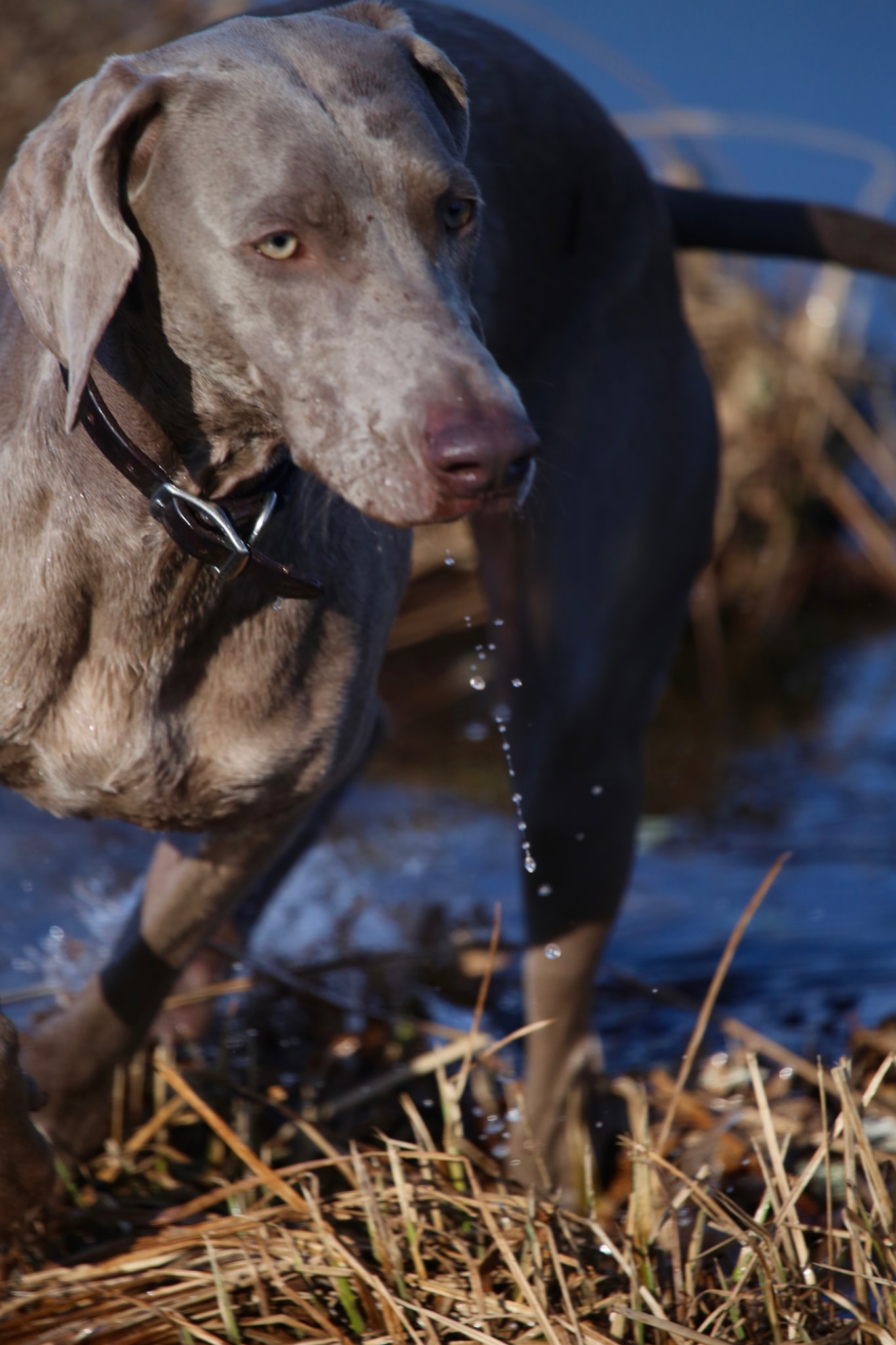
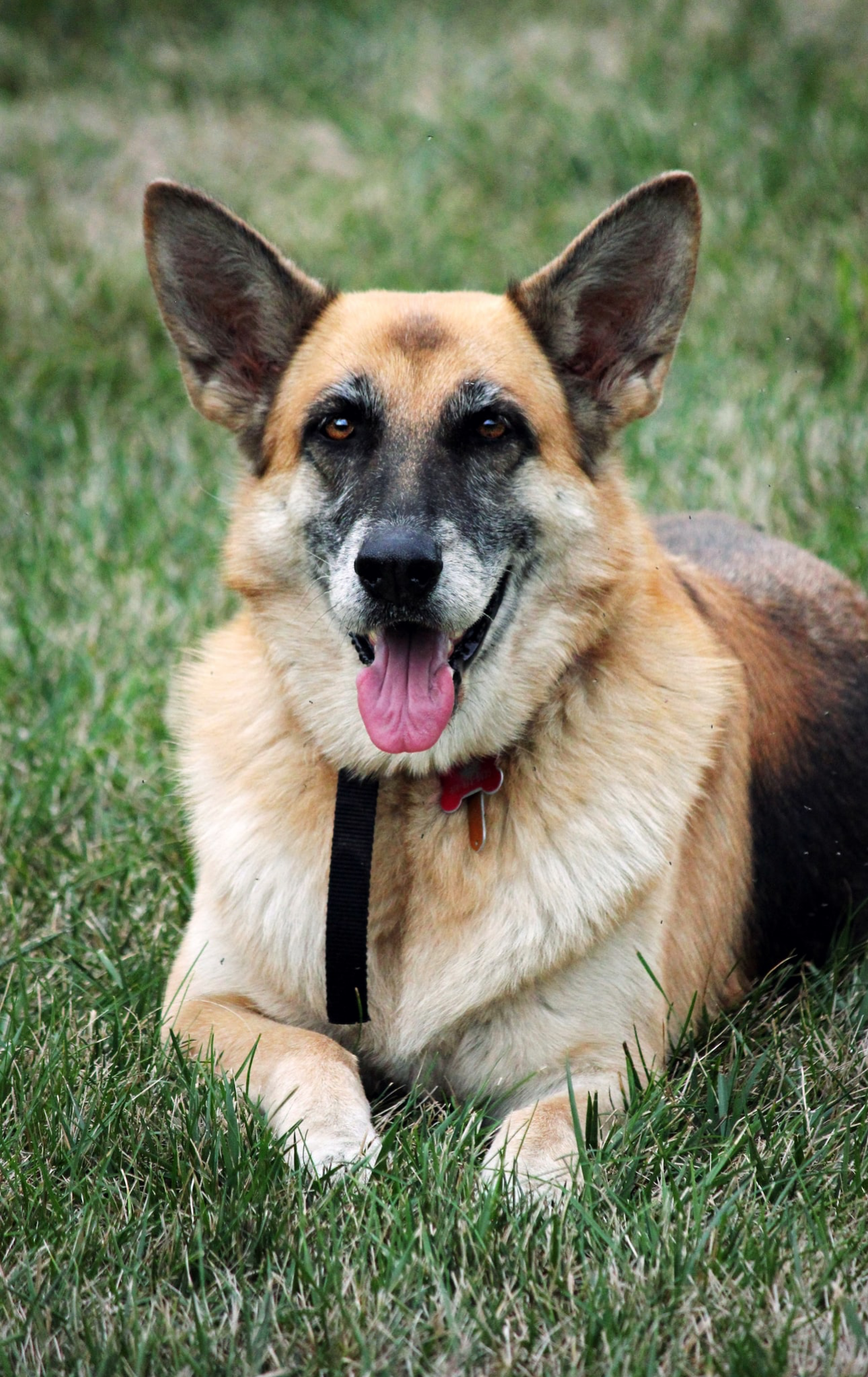
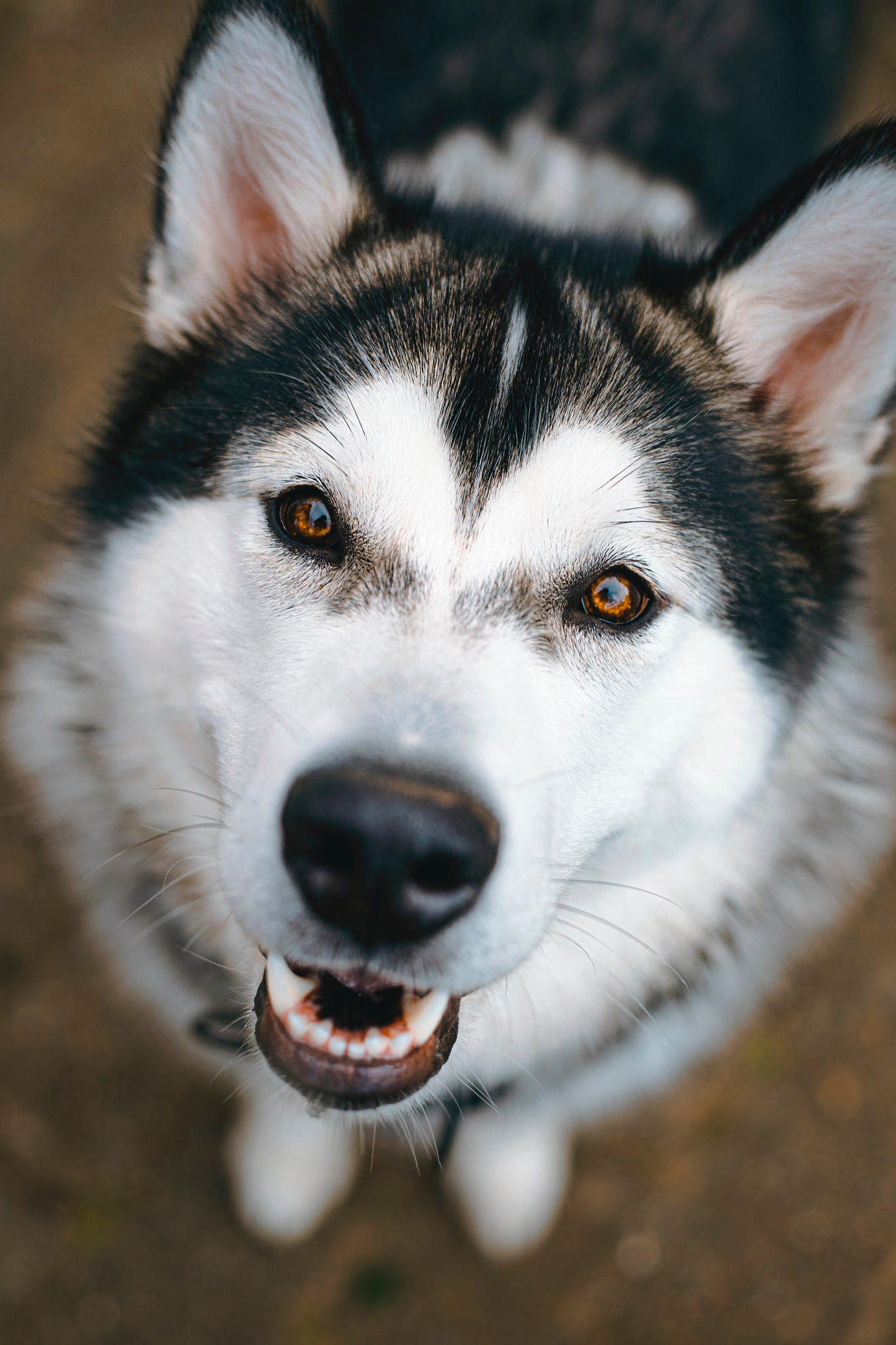
When socializing a rescue dog to any new sights, sounds or experiences it is important to let your dog set the pace. New or previous bad experiences, may cause anxiety and fear. Pushing too much too quickly will just reinforce his fears and set his socialization back further.
Signs of discomfort, anxiety or fear in your dog’s body language may include:
- Tucked tail;
- Flattened ears;
- Lip or nose licking;
- Yawning;
- Shaking;
- Crouching;
- Attempting to dart or hide;
- Whining;
- Hair standing on end on the neck and/or spine.
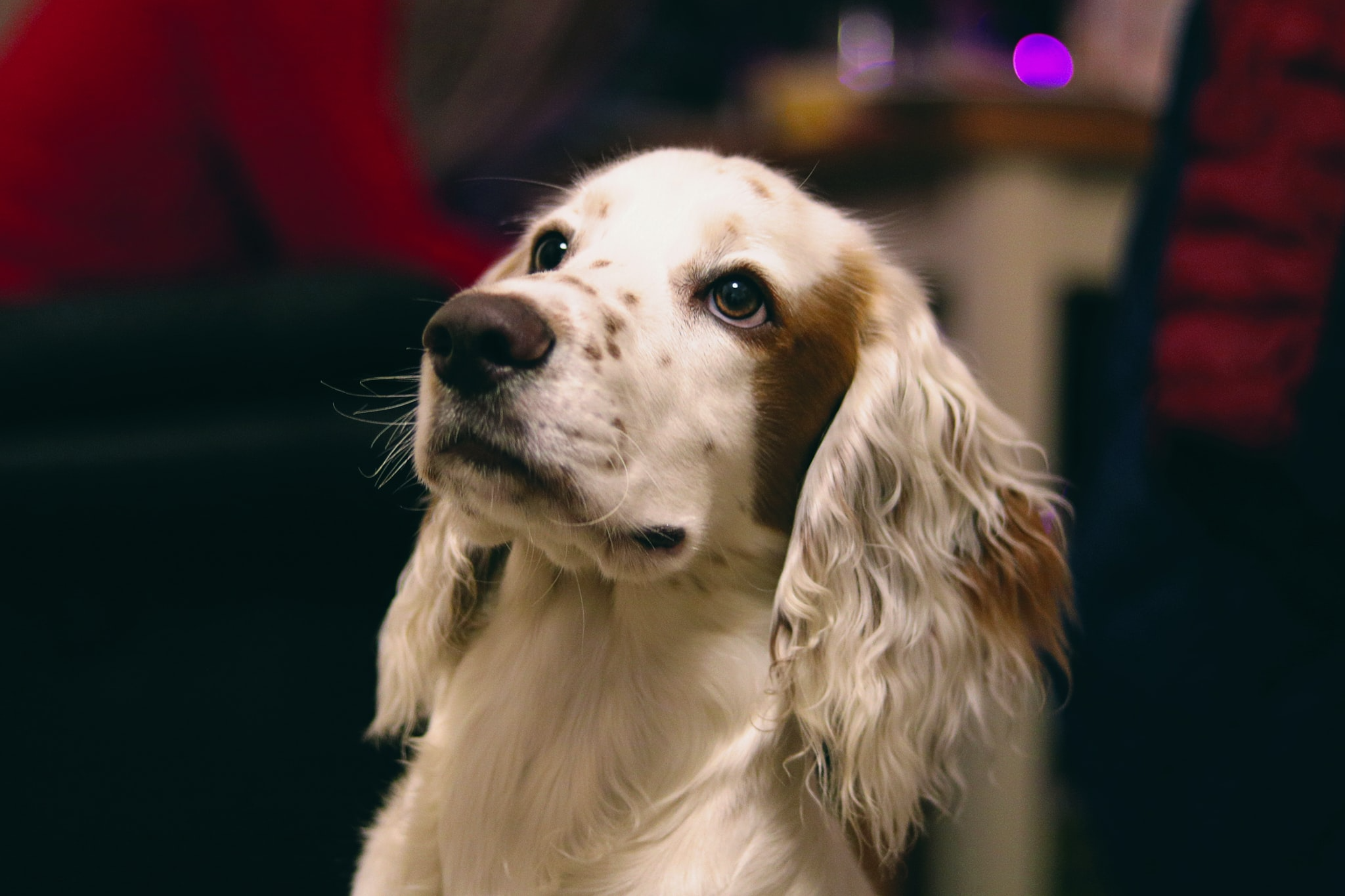
Here are a few tips to socialize a rescue dog
- Keep encounters positive and reward with encouragement and praise;
- Ignore unwanted behavior;
- Keep encounters brief;
- Start with less challenging environments or encounters;
- Pick your battles.
The key to socialization is keeping your dog under his “stress threshold.” If he's relaxed, he’ll be able to learn and the experience will be positive.
Remember, we often do not know what kind of past our rescue dog is dealing with. He may have been abused or neglected. Some were wanted and loved at one point, then later abandoned.
It’s your role as your dog's guardian to show him a better life full of love, comfort, and security. If your dog is terrified of something, there’s probably a good reason. You can continue to work on your dog's fears over time, but your ultimate responsibility is to do what’s best for your dog.
Some interesting links: