Balancing Corporate & Homesteading Lifestyles
🥚 The Hatching Egg Gamble: Expectation vs. Reality
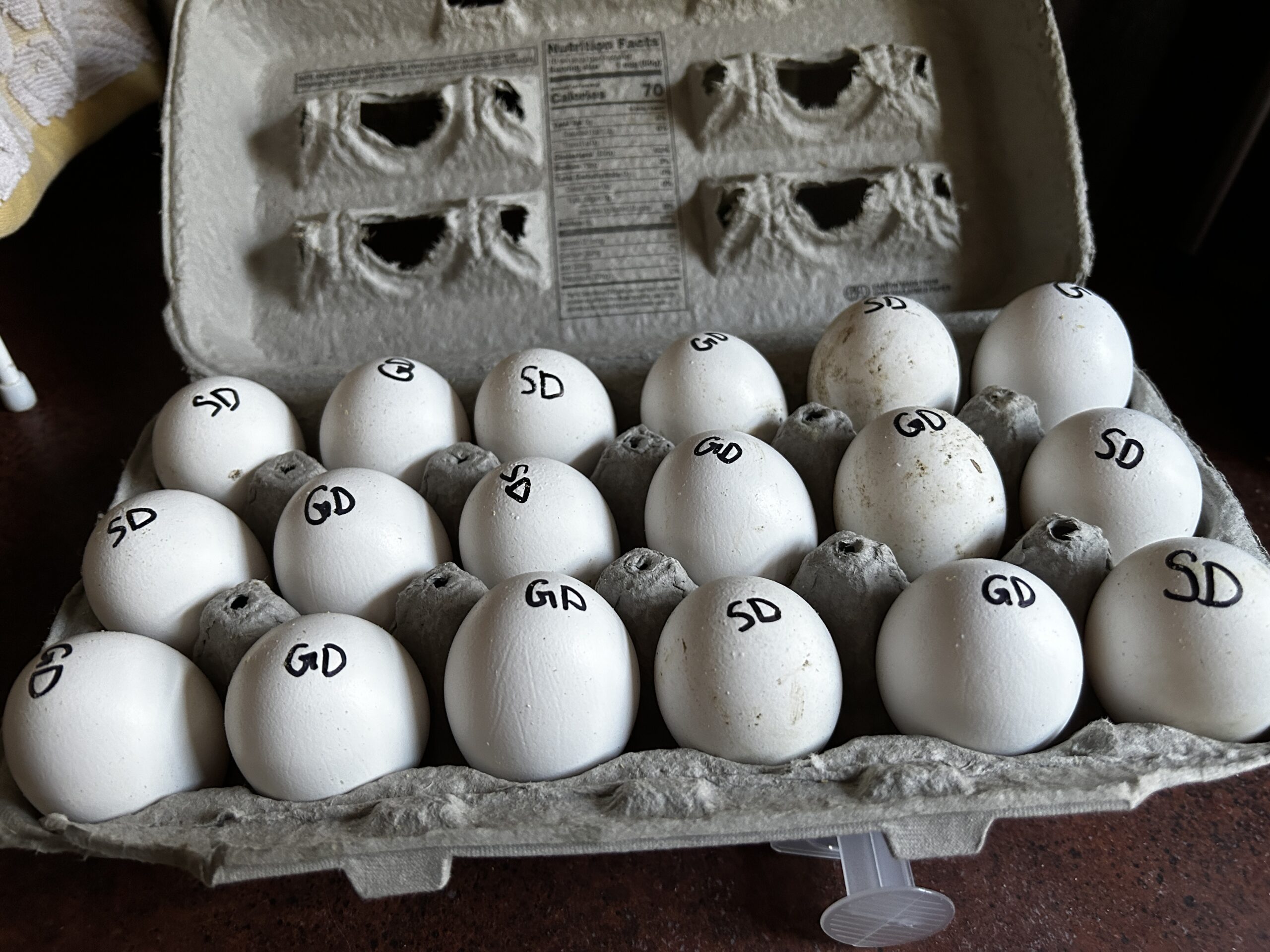
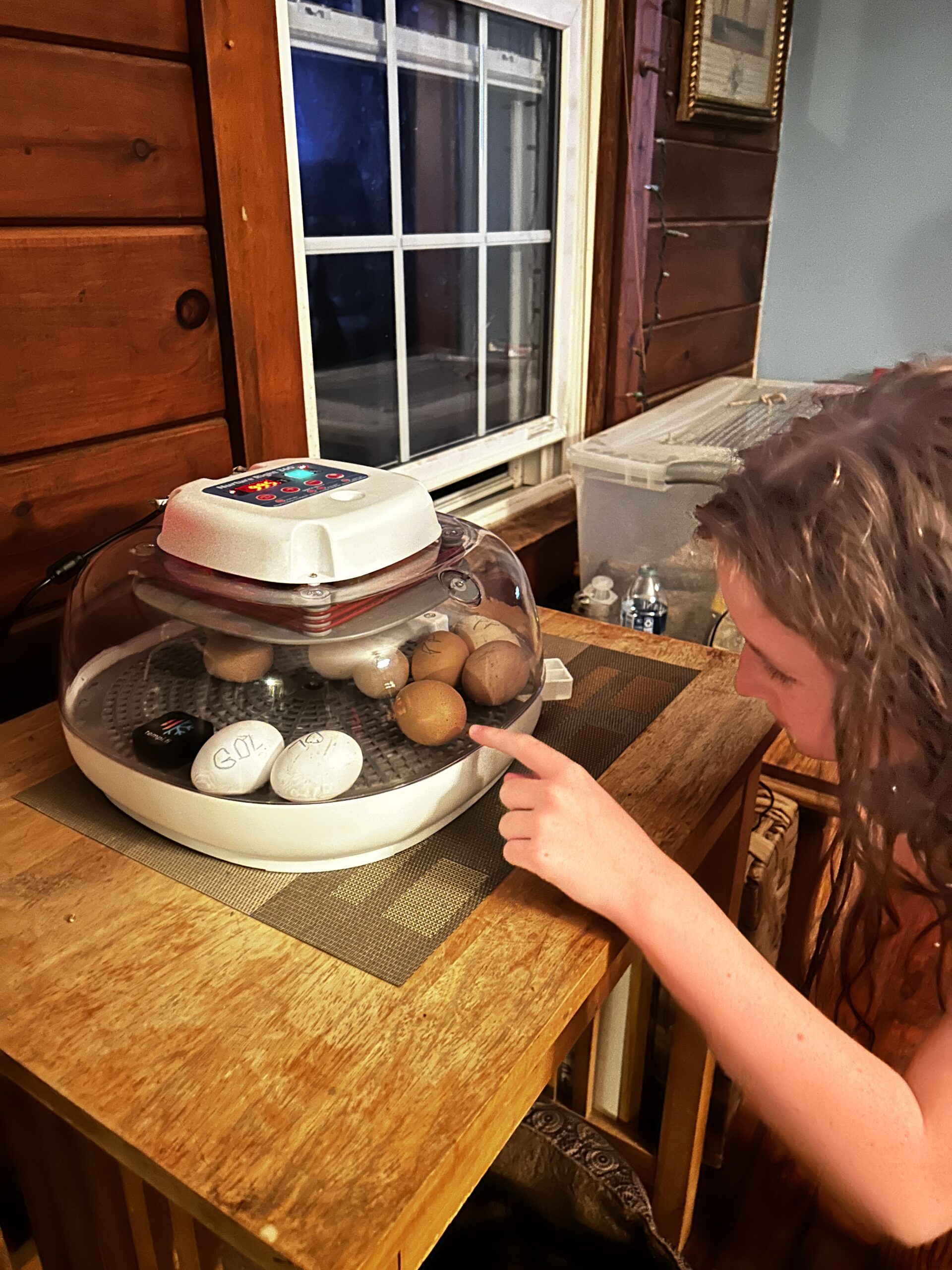
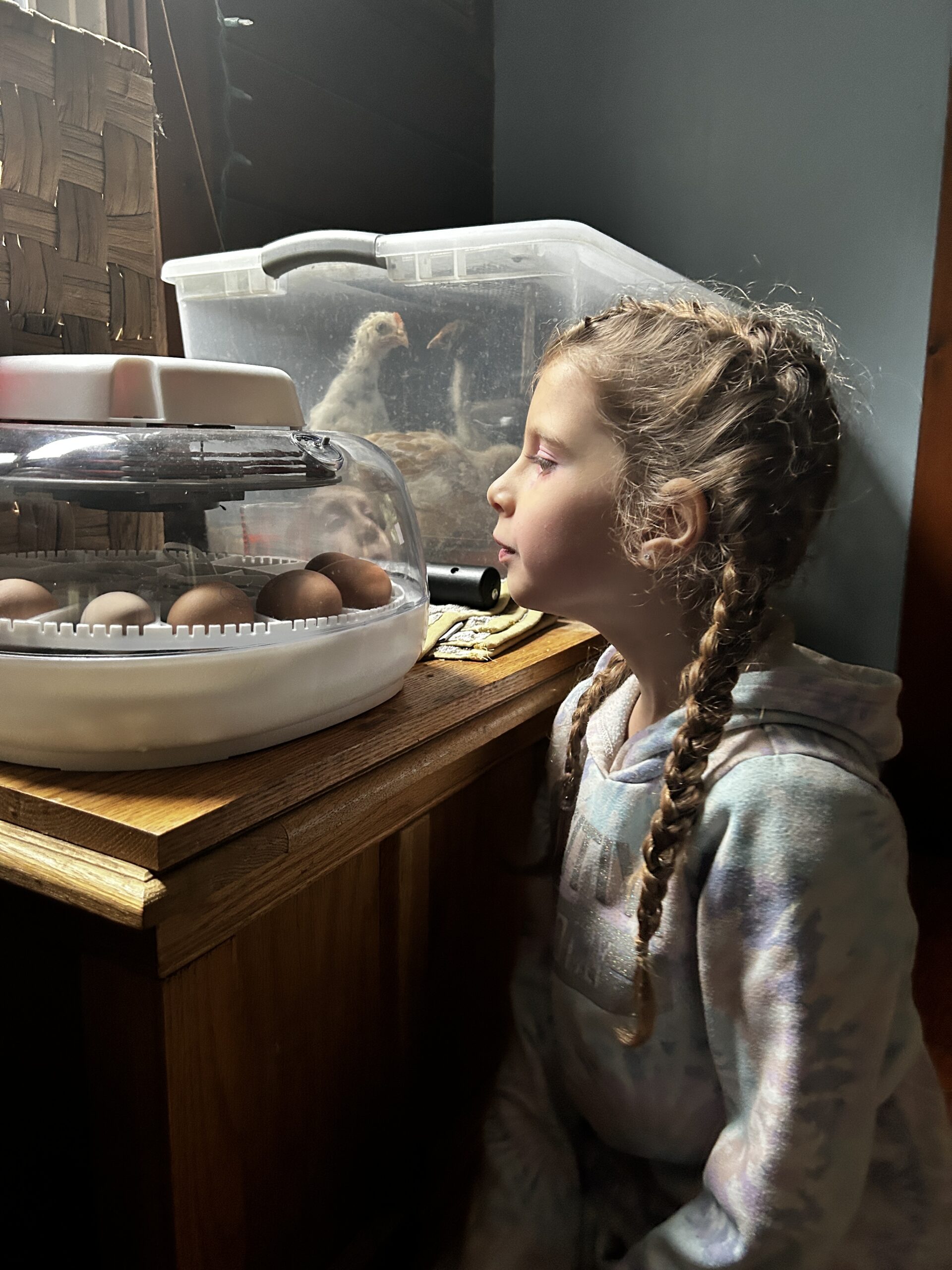
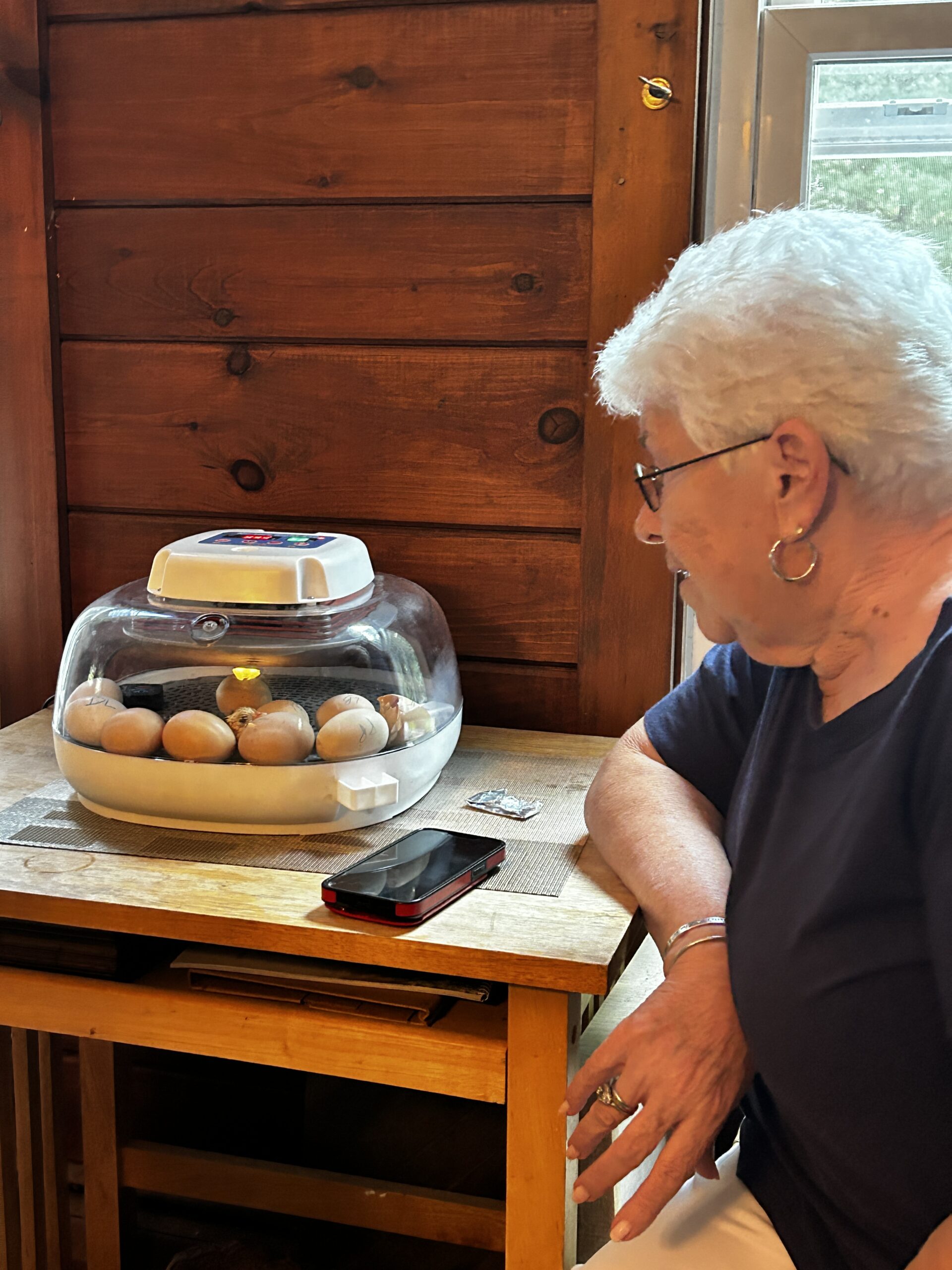
Buying hatching eggs is often a necessity for homesteaders looking for specific or rare breeds, but let’s be honest—it’s always a gamble that comes with a unique set of risks. The dream of watching those eggs hatch often bumps up against the logistical and genetic realities of shipped poultry. Managing your expectations is key to enjoying this part of poultry keeping.
The Trauma of the Journey: Shipping and Handling Risks
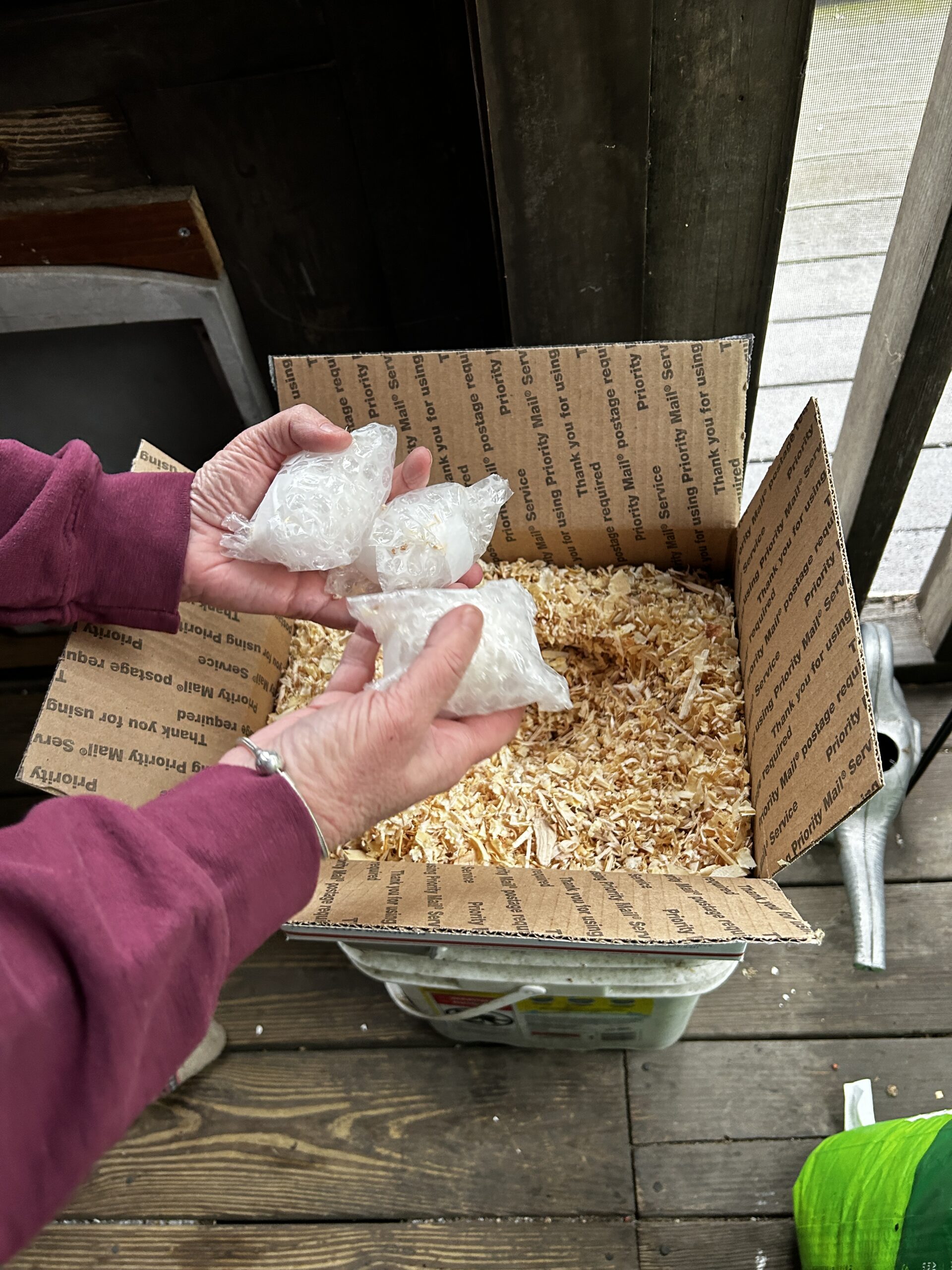
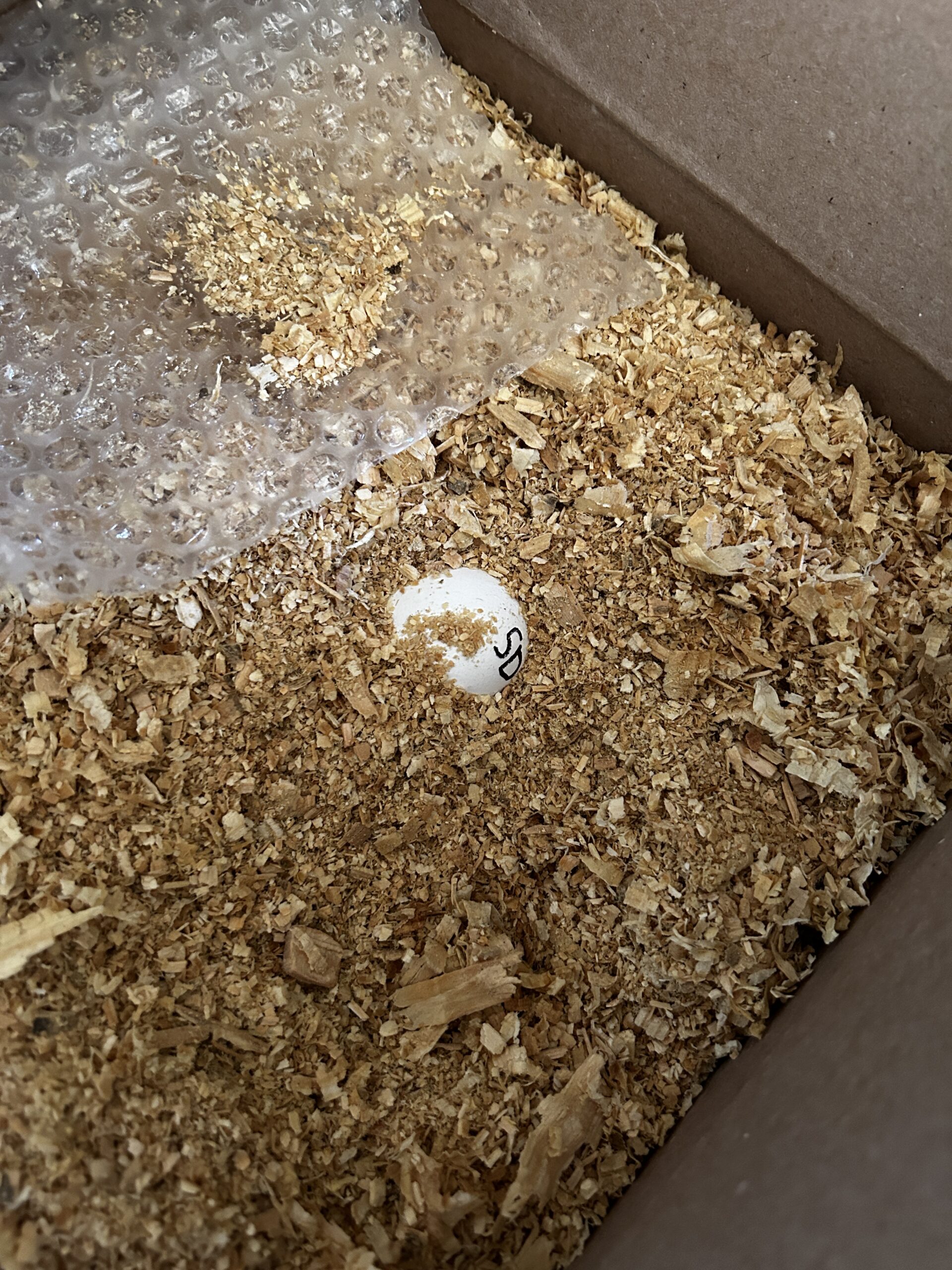
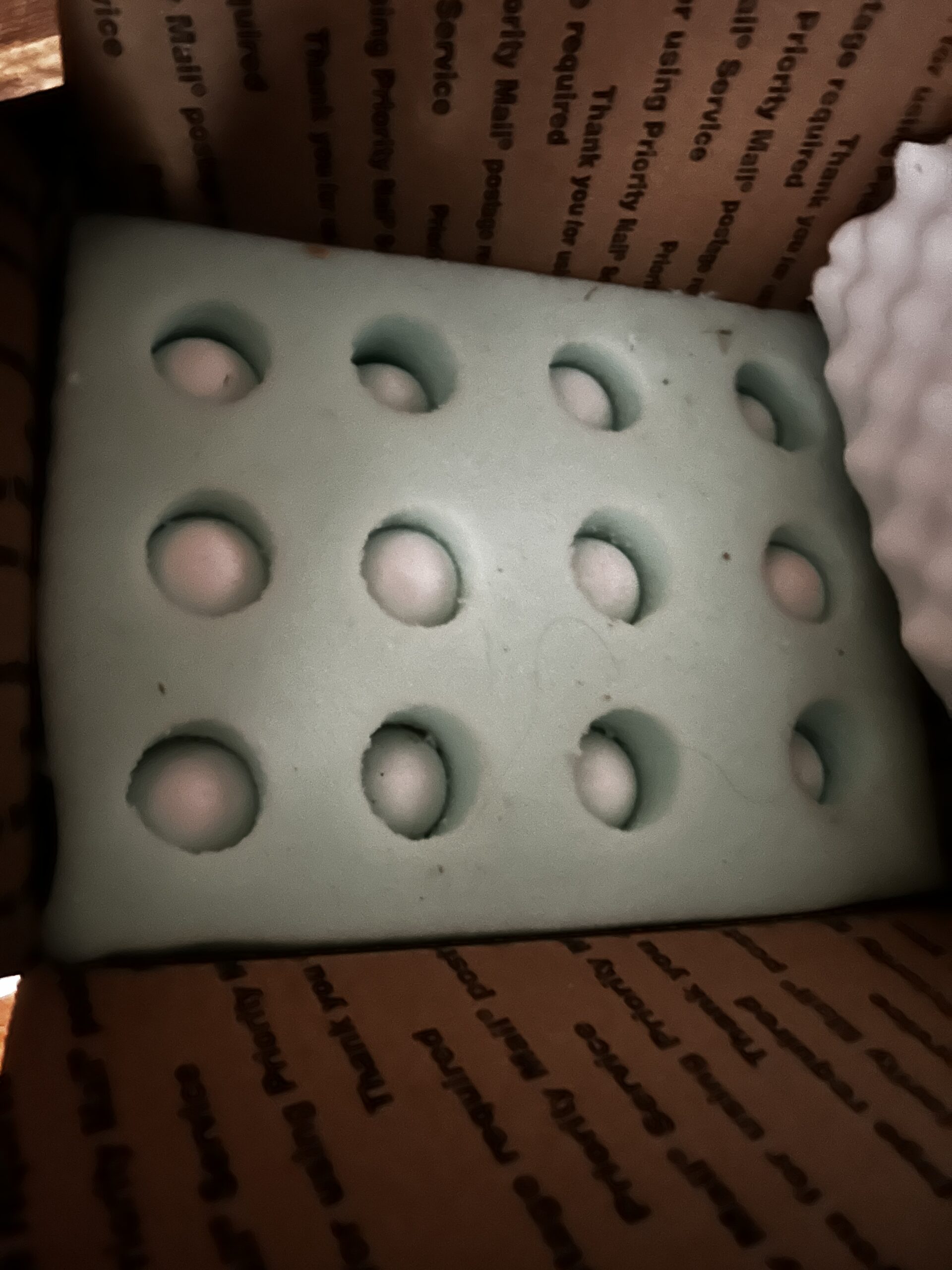
The physical journey from the seller’s farm to your incubator is fraught with potential pitfalls. Even with excellent, careful packaging, eggs endure rough shipping conditions. They are subjected to jostling, being turned upside down, and extreme temperature fluctuations—from freezing airport tarmac to scorching delivery vans—all of which drastically impact viability. This is why you can experience phenomenal hatch rates one week and zero the next; even the highest quality eggs can suffer internal damage. As the buyer, you have no control over the postal handling, and even when a seller has done everything perfectly, the unpredictable journey often leaves the air cells damaged or the internal membranes detached. Accepting this physical trauma is the first step in managing the risk of poor hatch rates.
Genetic Surprises and Identity Crises
Beyond the physical journey, there's the genetic risk: you never truly know if you're getting the pure breed you ordered. I’ve certainly had my share of genetic surprises! For instance, I ordered beautiful Silkies and ended up with a gorgeous Cemani-Silkie cross because a curious rooster clearly jumped the fence into the Silkie pen. This mixing of genetics can happen when coops aren't perfectly secured or when a breeder is running multiple breeding groups. A different scenario involved receiving Lakenvelder eggs mixed with some bonus Appenzeller Spitzhaubens—a nice gesture, but a surprise addition to the flock! Always remember that the rooster is the father, and if he happens to be a different breed than the hens in the pen, you are likely receiving a cross.
The Blame Game: Hatch Rates and Communication
The emotional labor of the hatching egg world can be challenging, especially when you wear the hat of both buyer and seller. As a buyer, zero hatches are demoralizing. As a seller, I know the sting of a customer reaching out to report a poor hatch. I had an experience where a customer sadly blamed me when their eggs started developing but failed to hatch. It’s important for both parties to remember that a fertile, developing egg that stalls is rarely the seller’s fault; it's almost always due to unpredictable shipping trauma, temperature spikes, or an incubation issue outside of my control. Shipping hatching eggs is sometimes a necessity, but buyers must understand that the risks are compounded by the shipping process. Good communication from the breeder—like letting me know about those bonus Spitzhaubens—is essential, but ultimately, the responsibility for incubation success shifts to the buyer once the eggs are in the machine.
What's the wildest surprise you've ever hatched? Have you experienced the frustration of zero hatches from seemingly perfect eggs? Join the discussion over at Weekend Homesteaders on Facebook! Share your biggest hatching egg gamble, your successes, or your questions with a community that understands the reality of shipped poultry.