Balancing Corporate & Homesteading Lifestyles
The Hatching Egg Gamble: Expectation vs. Reality
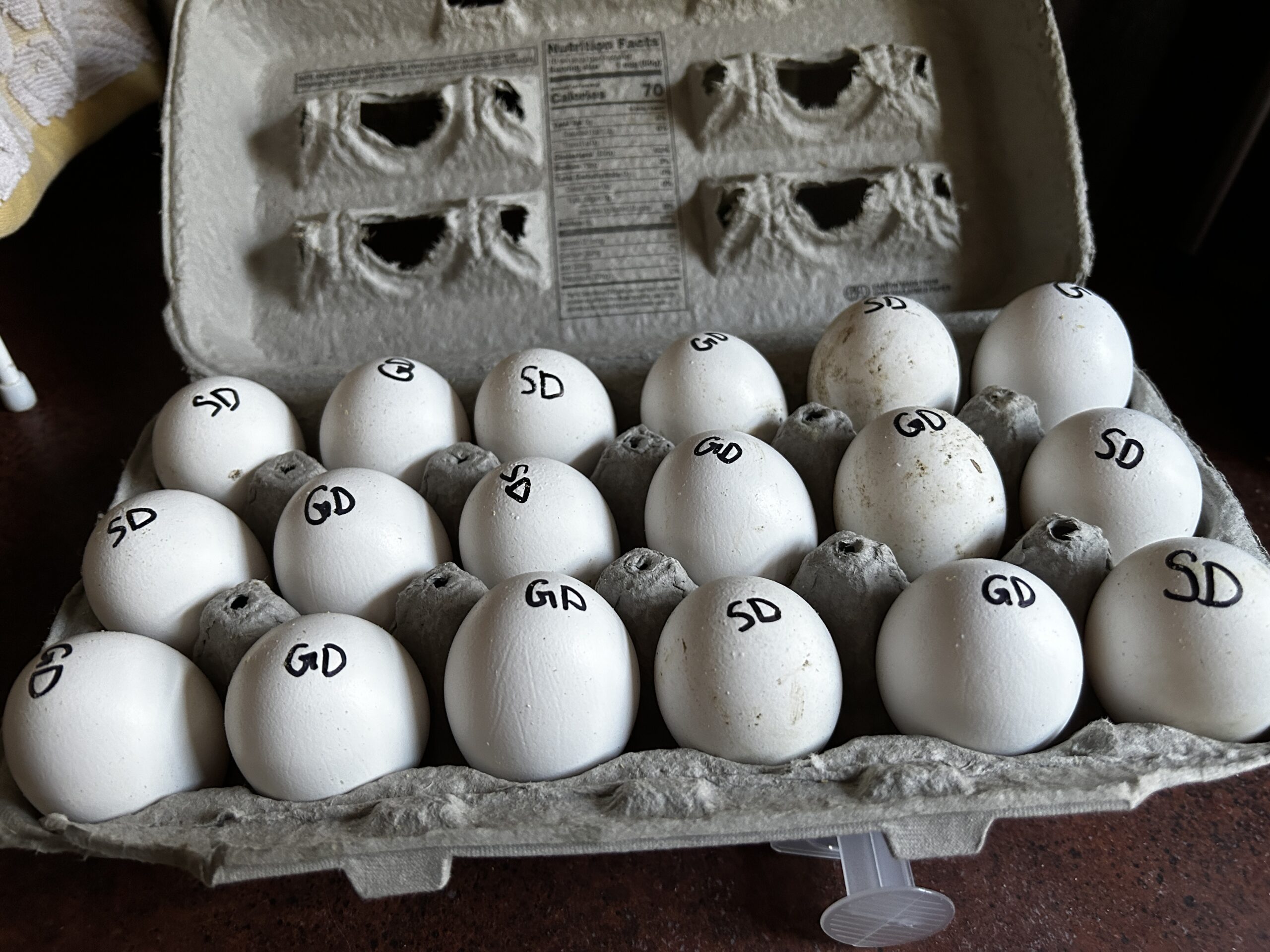
Buying hatching eggs is often the only way to get a breed you really want, especially if you’re looking for something rare or hard to find locally. But shipped hatching eggs are always a gamble, even when the breeder does everything right.
That doesn’t mean you should avoid them. It just means you need to understand where the risks are.
Shipping Can Change Everything
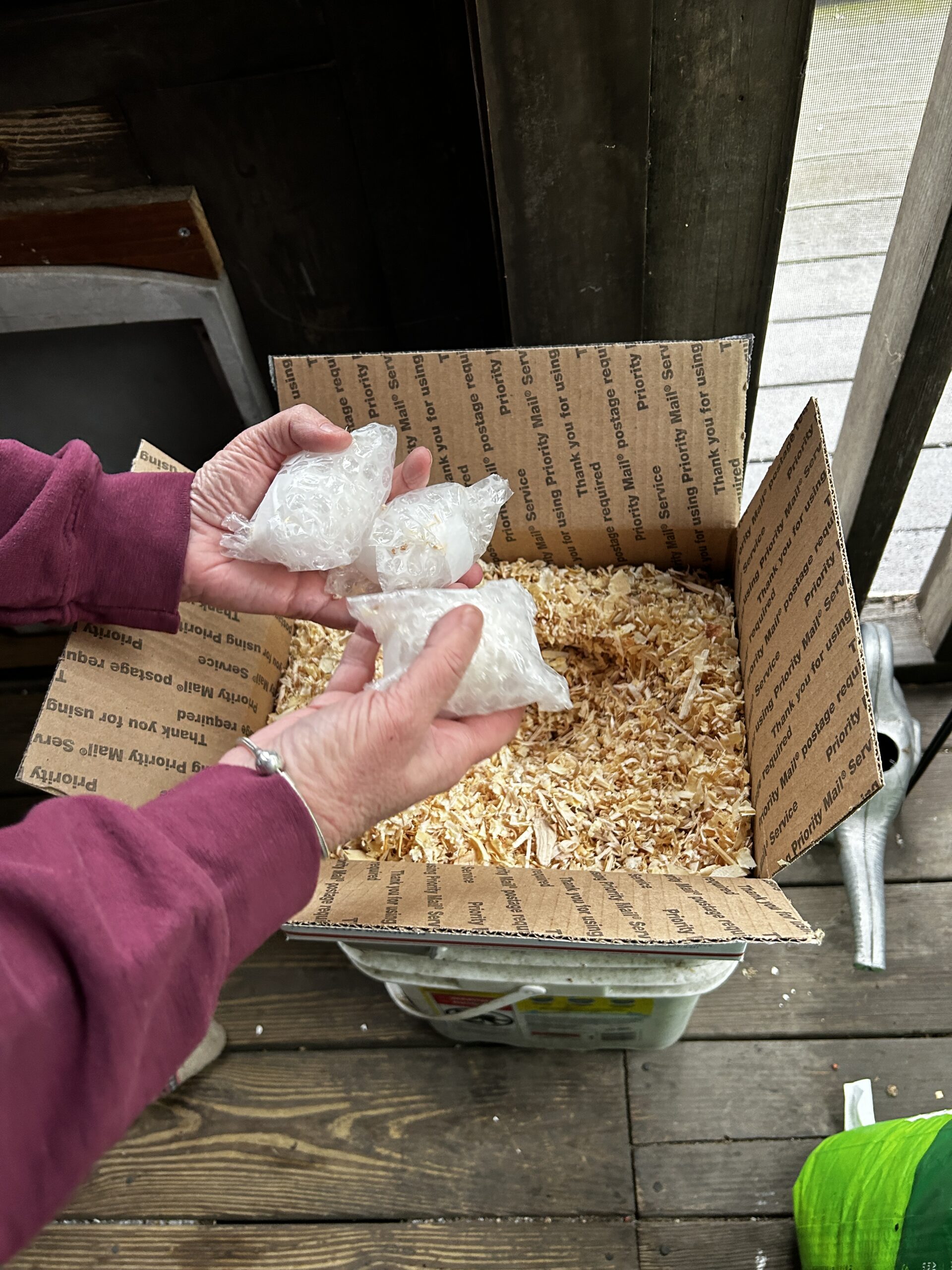
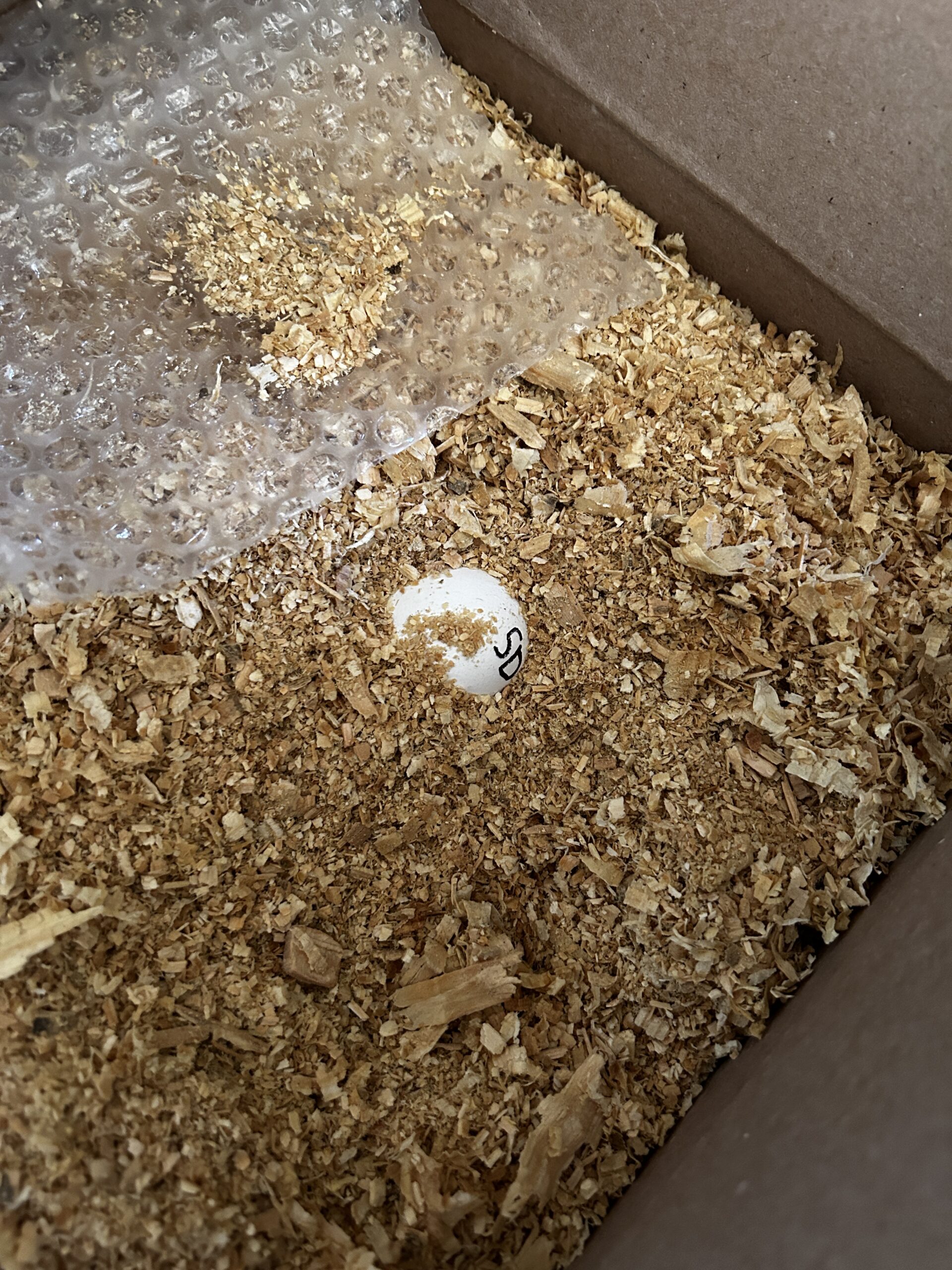
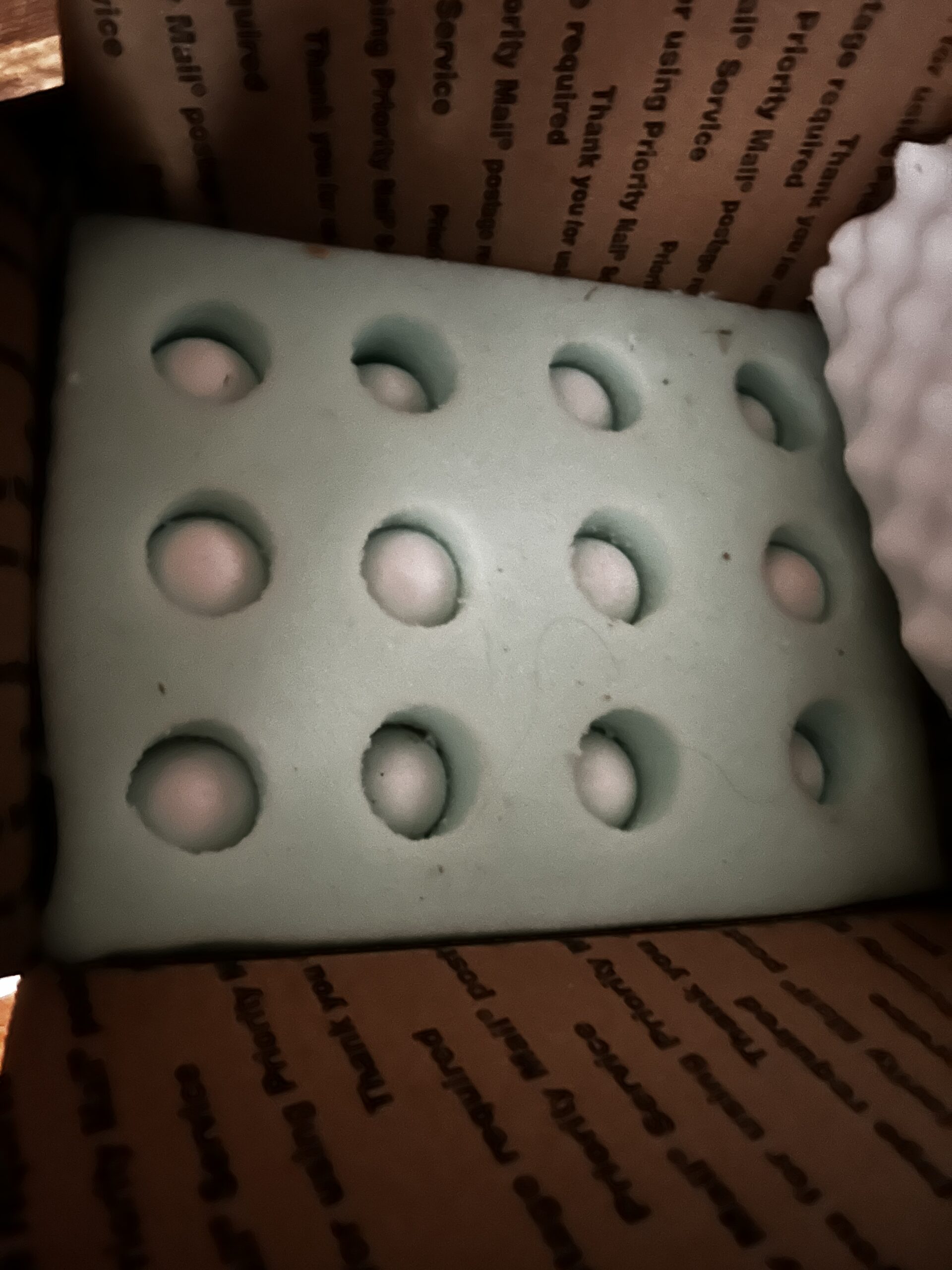
Even carefully packed eggs can go through a lot before they reach you. They may be jostled, flipped, dropped, exposed to temperature swings, or simply handled roughly along the way. Air cells can become detached, membranes can be damaged, and an egg that left the breeder perfectly viable may arrive compromised.
That’s why shipped eggs can be so unpredictable. You might have an excellent hatch from one box and a disappointing hatch from the next, even from the same breeder.
I ship hatching eggs myself, and most of the time my buyers get good development and good hatch rates. But not every shipment goes that way, and when something goes wrong, I do my best to work with the buyer when I can.
Genetics Can Bring Surprises Too
Then there’s the genetic side of hatching eggs.
Even when you’re buying from a breeder, surprises can happen. I once ordered Silkies and ended up hatching a beautiful Cemani-Silkie cross because apparently a rooster had gotten where he wasn’t supposed to be.
Another time, I ordered Lakenvelder eggs and the breeder included some Appenzeller Spitzhauben eggs as extras. That surprise worked out pretty well for me, but it’s still a good example of why communication matters.
Breeders should be clear about what they’re sending, what breeding groups they’re running, and whether anything in the hatch could be unexpected.
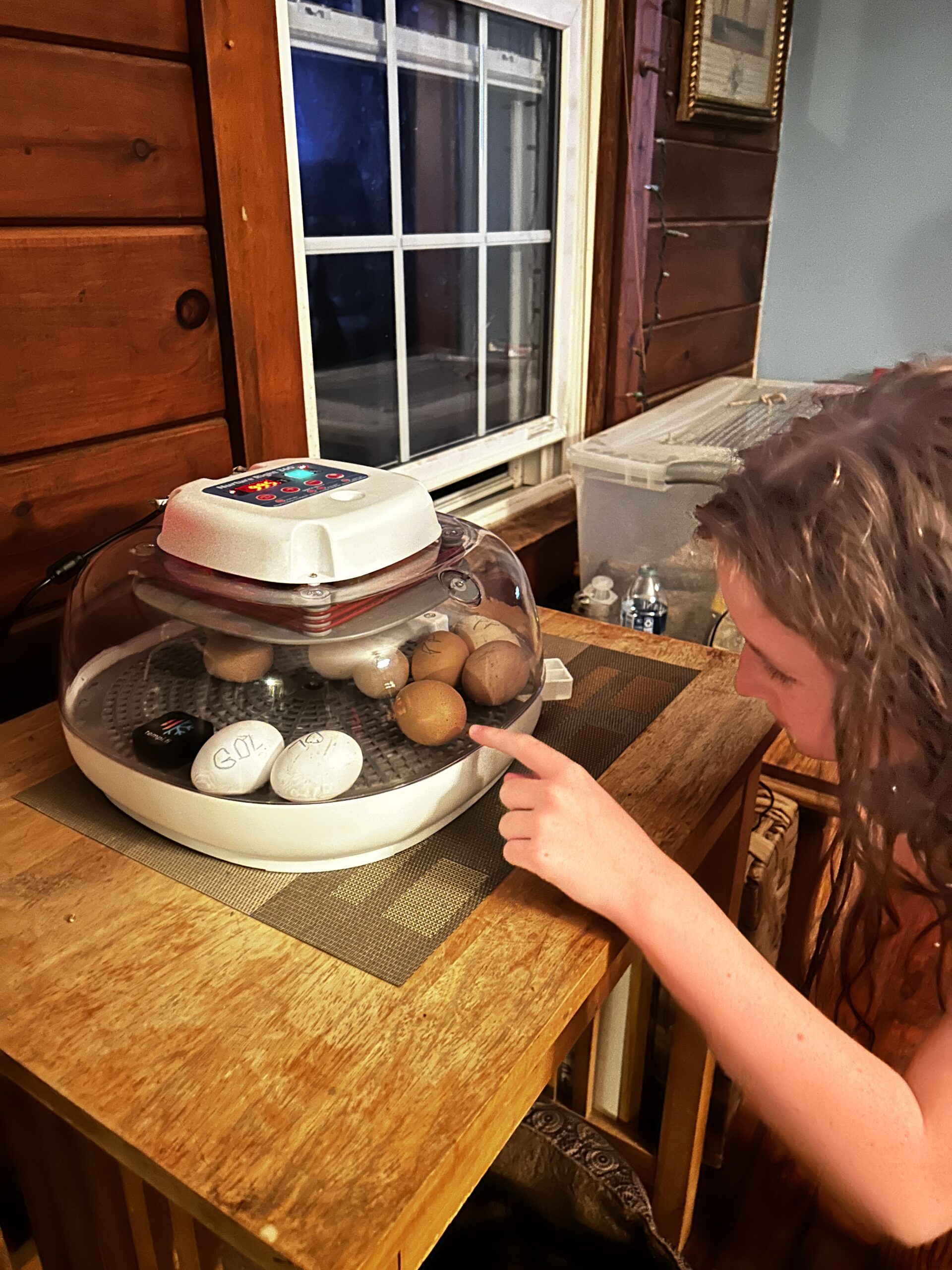
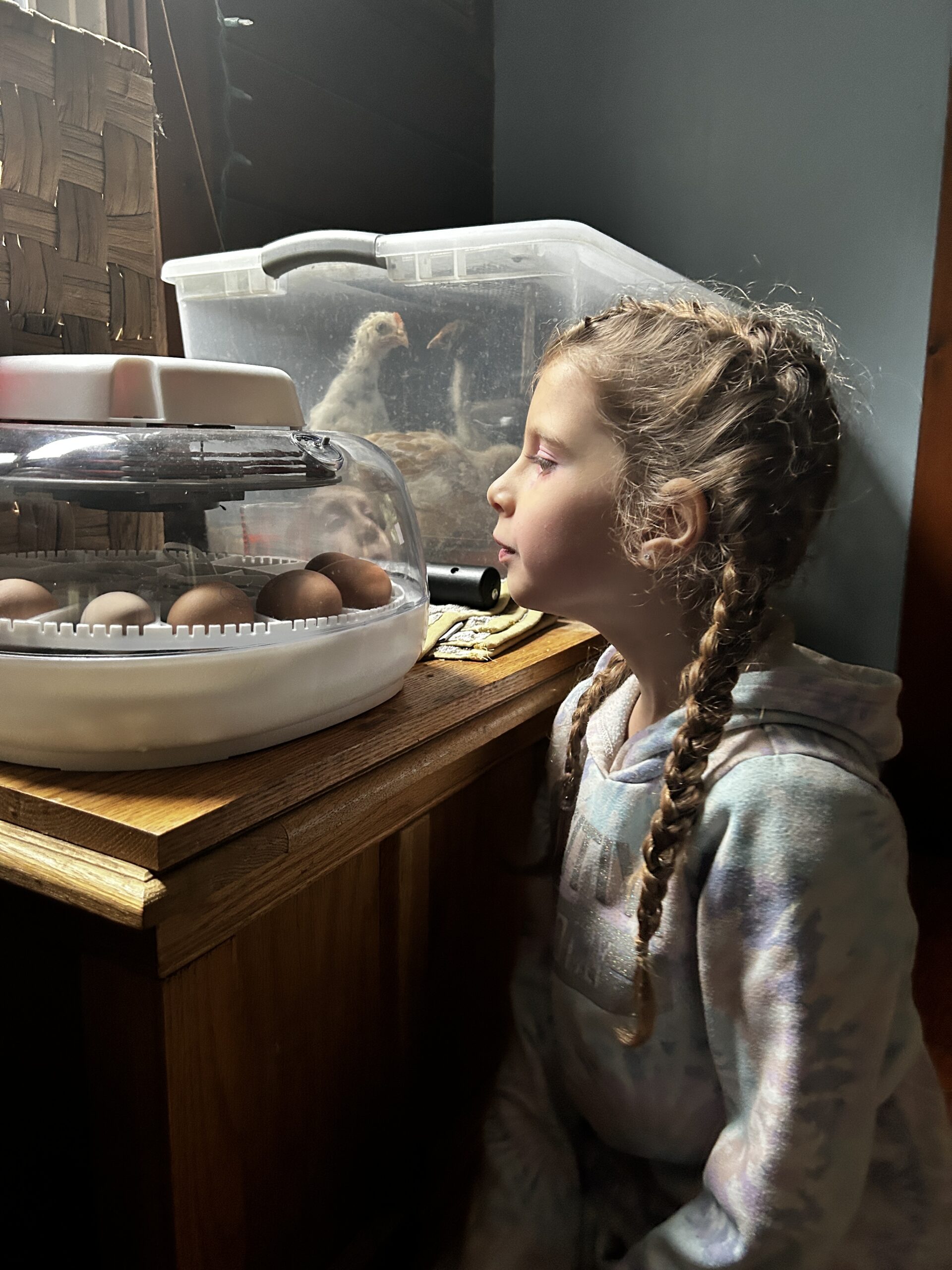
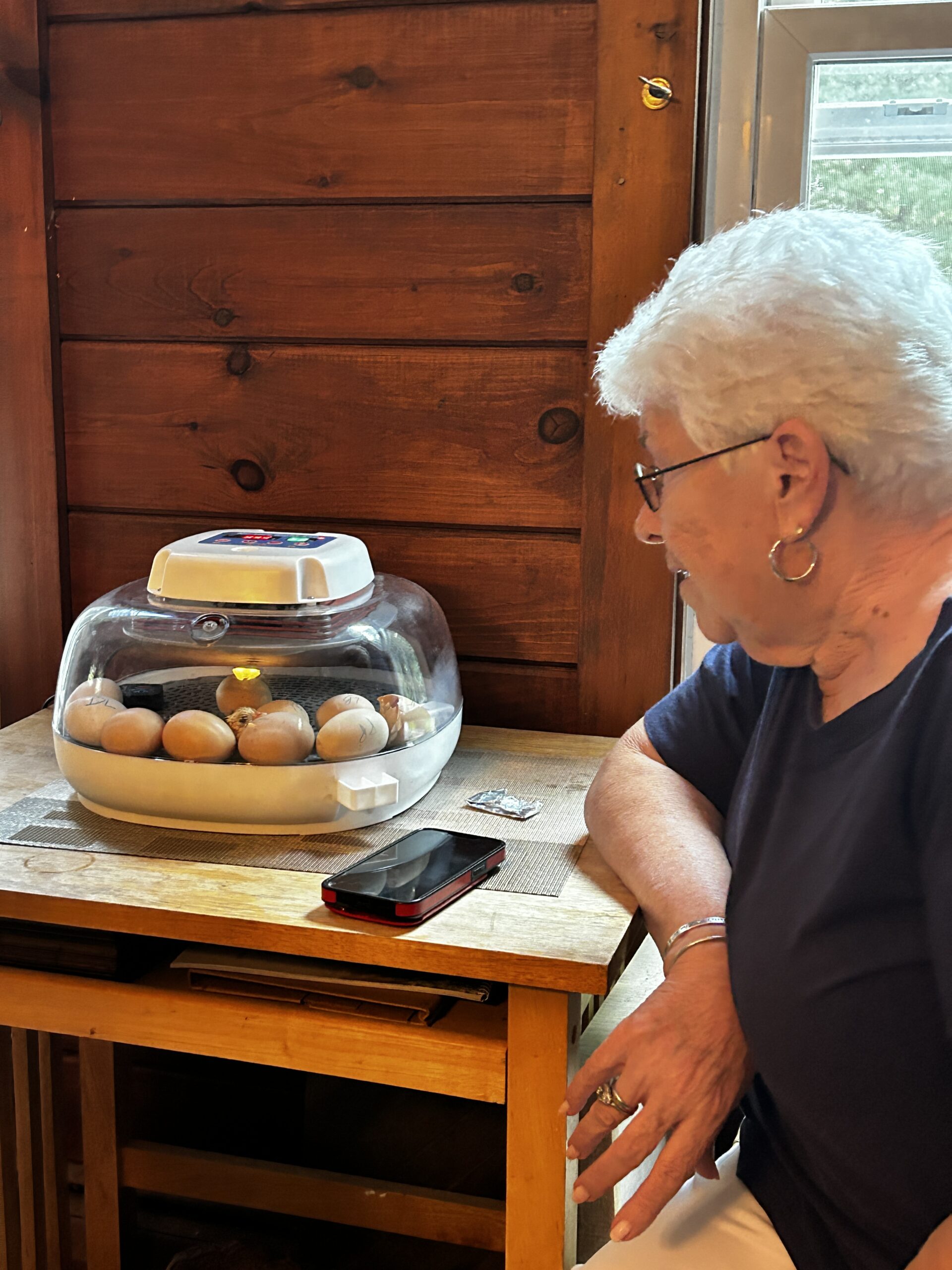
When Eggs Develop but Don’t Hatch
This is probably the most frustrating part of selling hatching eggs.
I’ve had someone contact me and say that all of their eggs were developing, but none of them hatched — and then blame me for the failed hatch.
If an egg develops, that tells us the egg was fertile and the embryo was alive at some point. When development stops later or a fully formed chick fails to hatch, there are many possible causes: shipping damage, incubator temperature or humidity problems, ventilation, turning, power fluctuations, or issues during lockdown.
That doesn’t automatically mean the buyer did something wrong either. Sometimes things simply go badly despite everyone doing their best.
That’s what makes hatching eggs difficult: once an egg leaves the breeder, there are a lot of variables neither side can completely control.
A Little Grace on Both Sides
A good breeder should package eggs carefully, maintain healthy breeding stock, communicate honestly, and try to help when there’s a problem.
A buyer should also understand that purchasing hatching eggs is not the same as purchasing a guaranteed chick.
There are simply too many variables between the breeding pen, the postal system, the incubator, and hatch day.
I’ll always try to help my buyers when I can, but a poor hatch doesn’t automatically mean the eggs were bad — just like a good hatch doesn’t mean the postal service suddenly learned how to handle a box gently.
That uncertainty is part of hatching shipped eggs.
And when everything does go right and that first little chick finally breaks through the shell?
Somehow, we forget all about the stress and start looking for the next eggs to buy.
What’s the biggest surprise you’ve ever hatched from shipped eggs?