Balancing Corporate & Homesteading Lifestyles
The Ultimate Guide to the Kikiriki: History, Heritage, and Heart
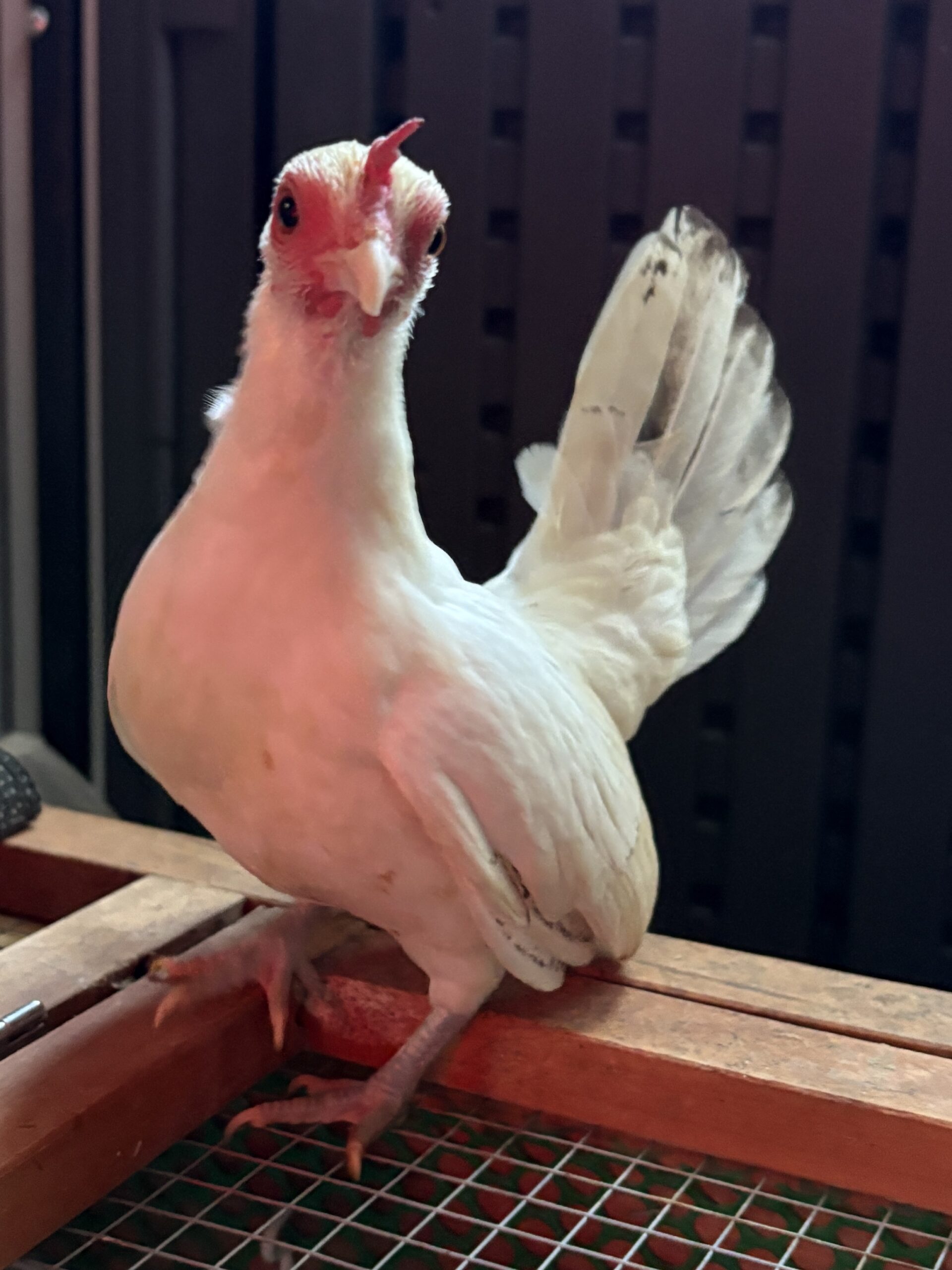
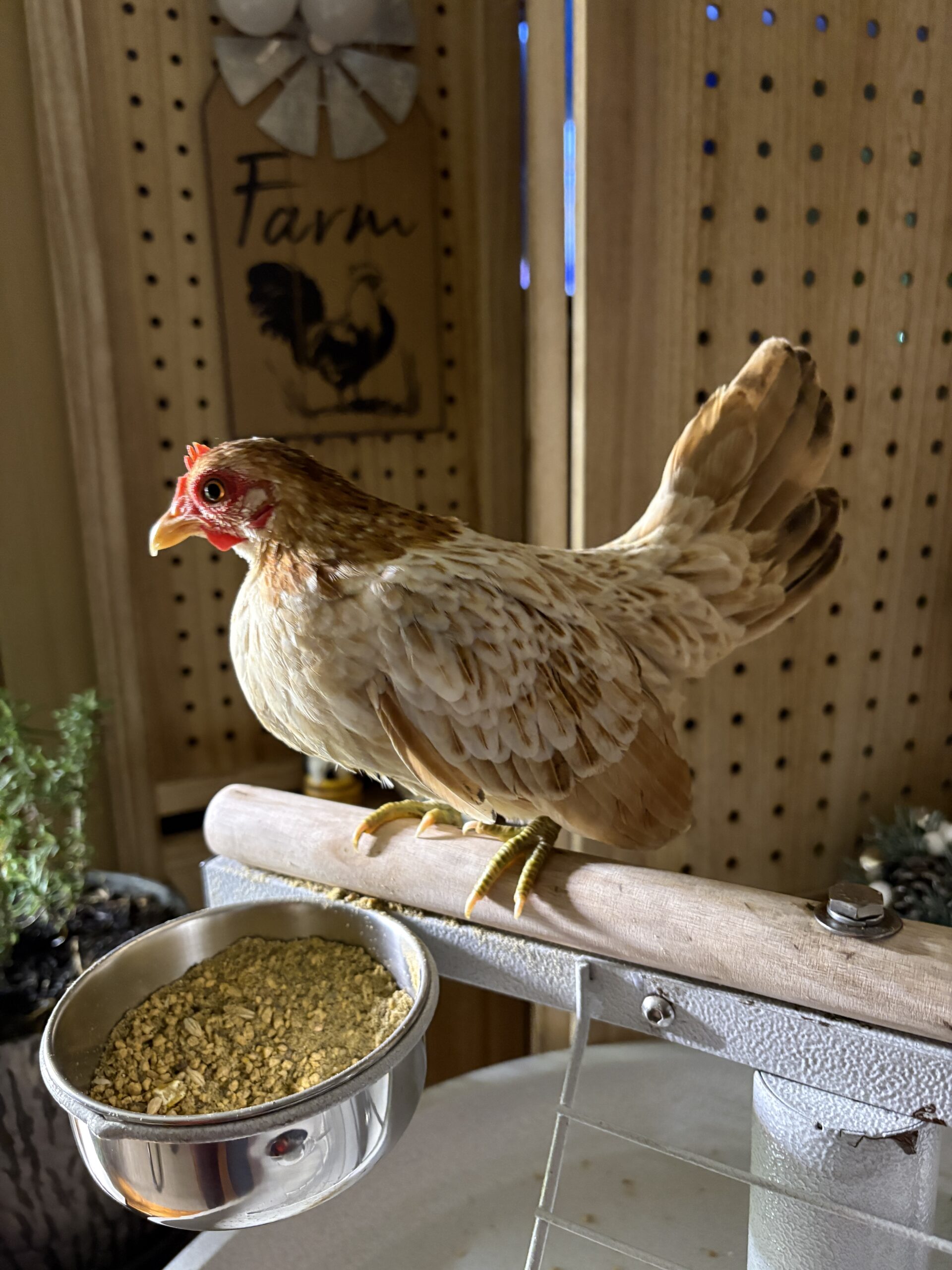
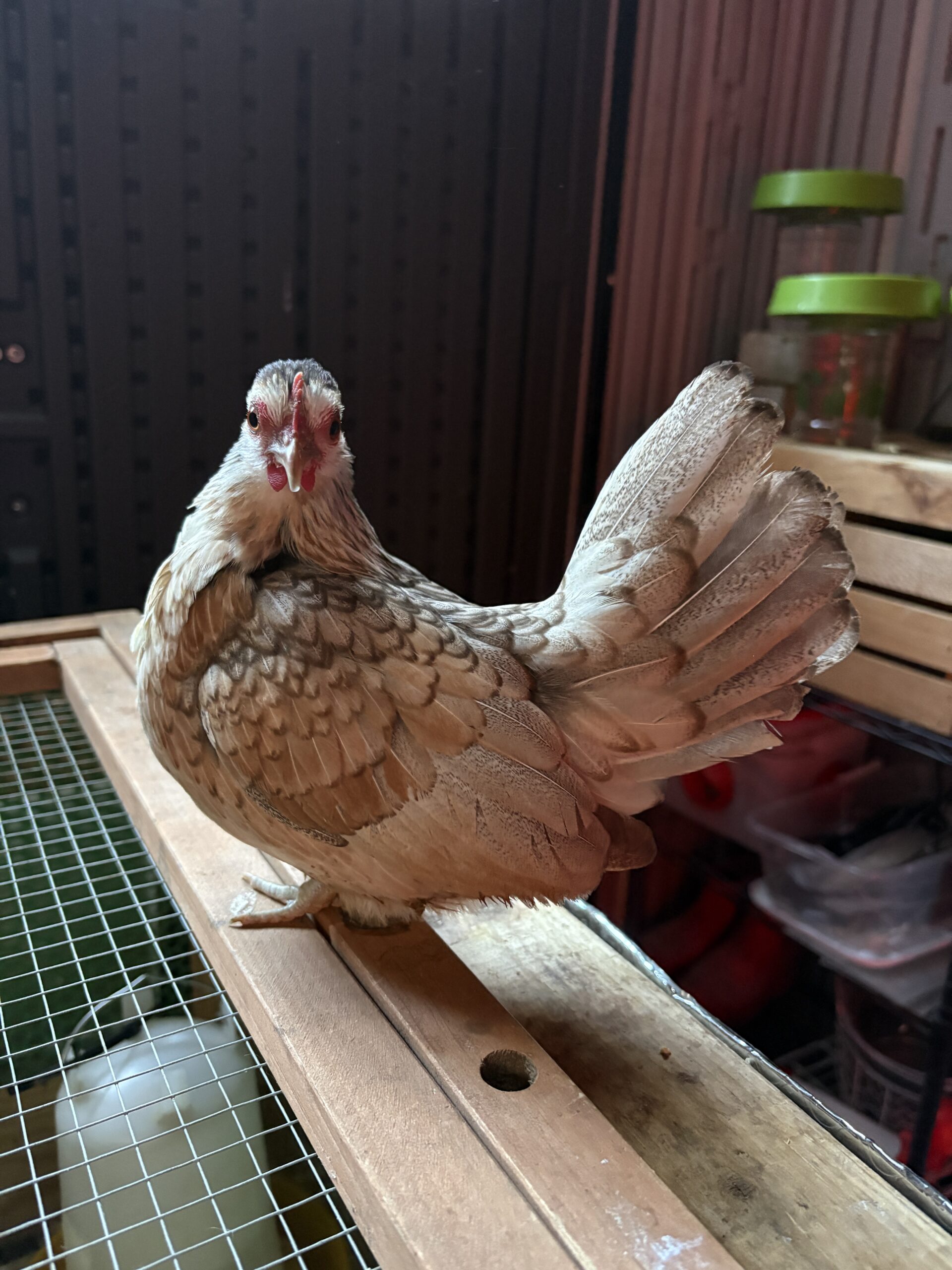
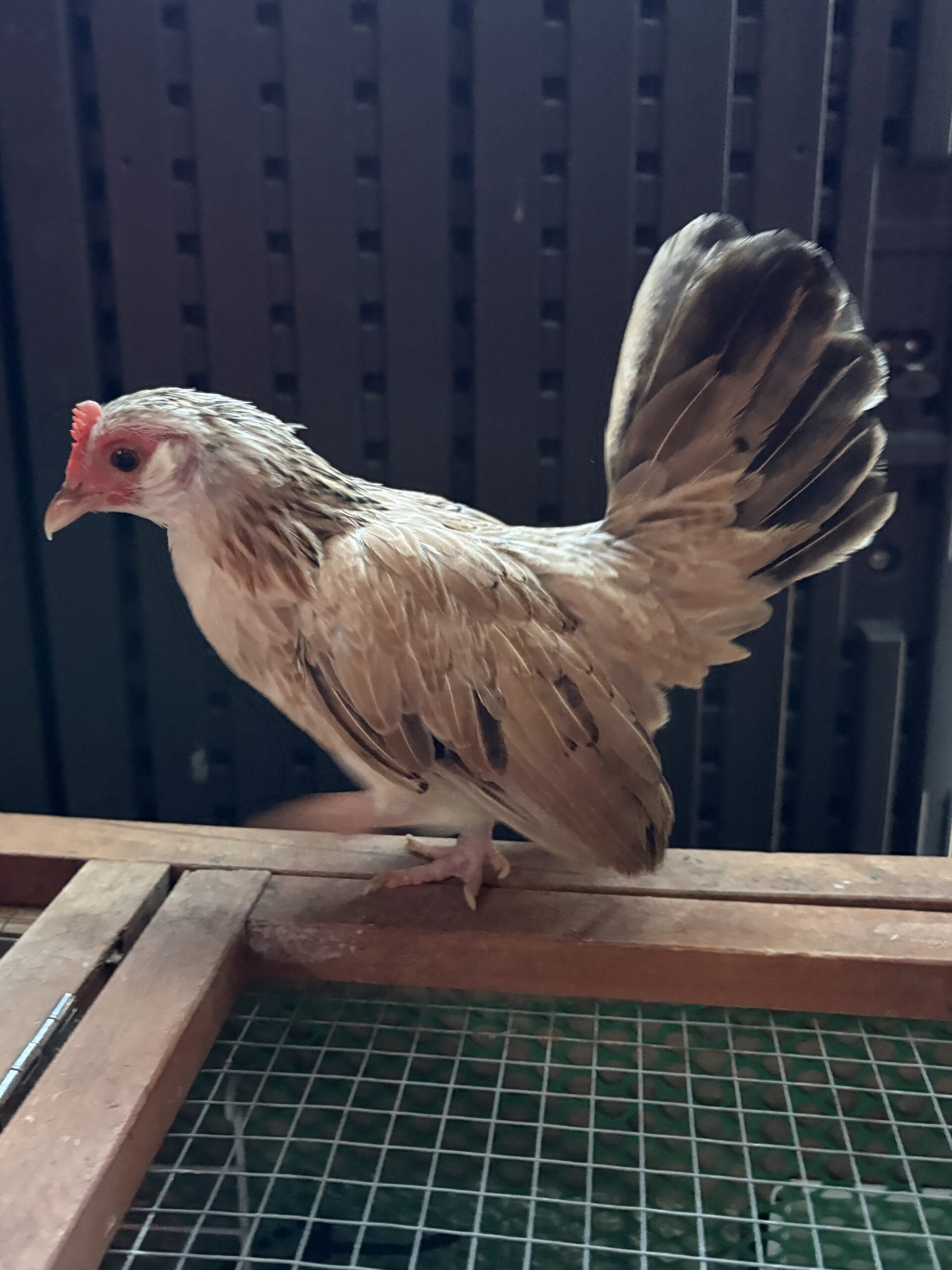
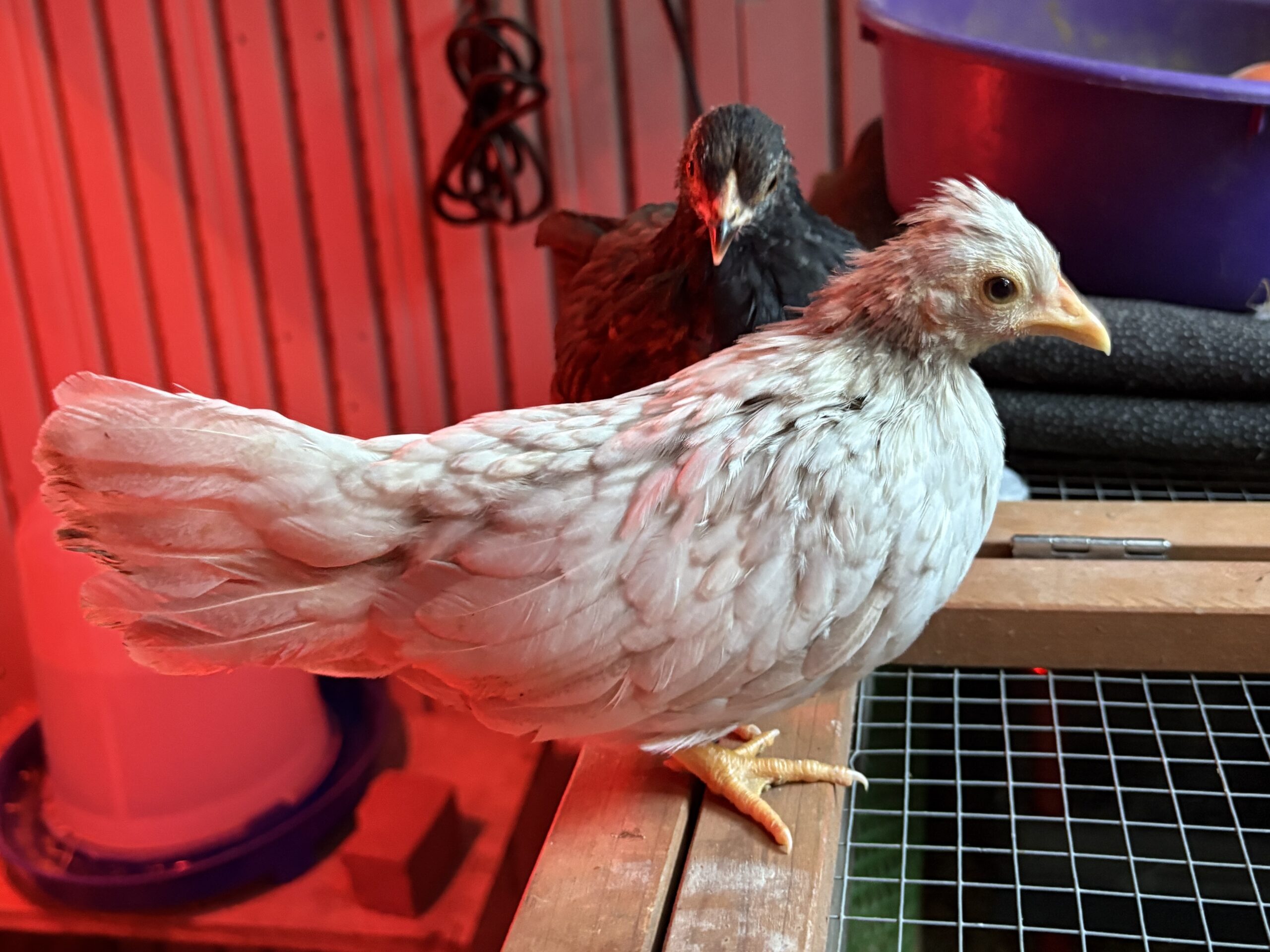
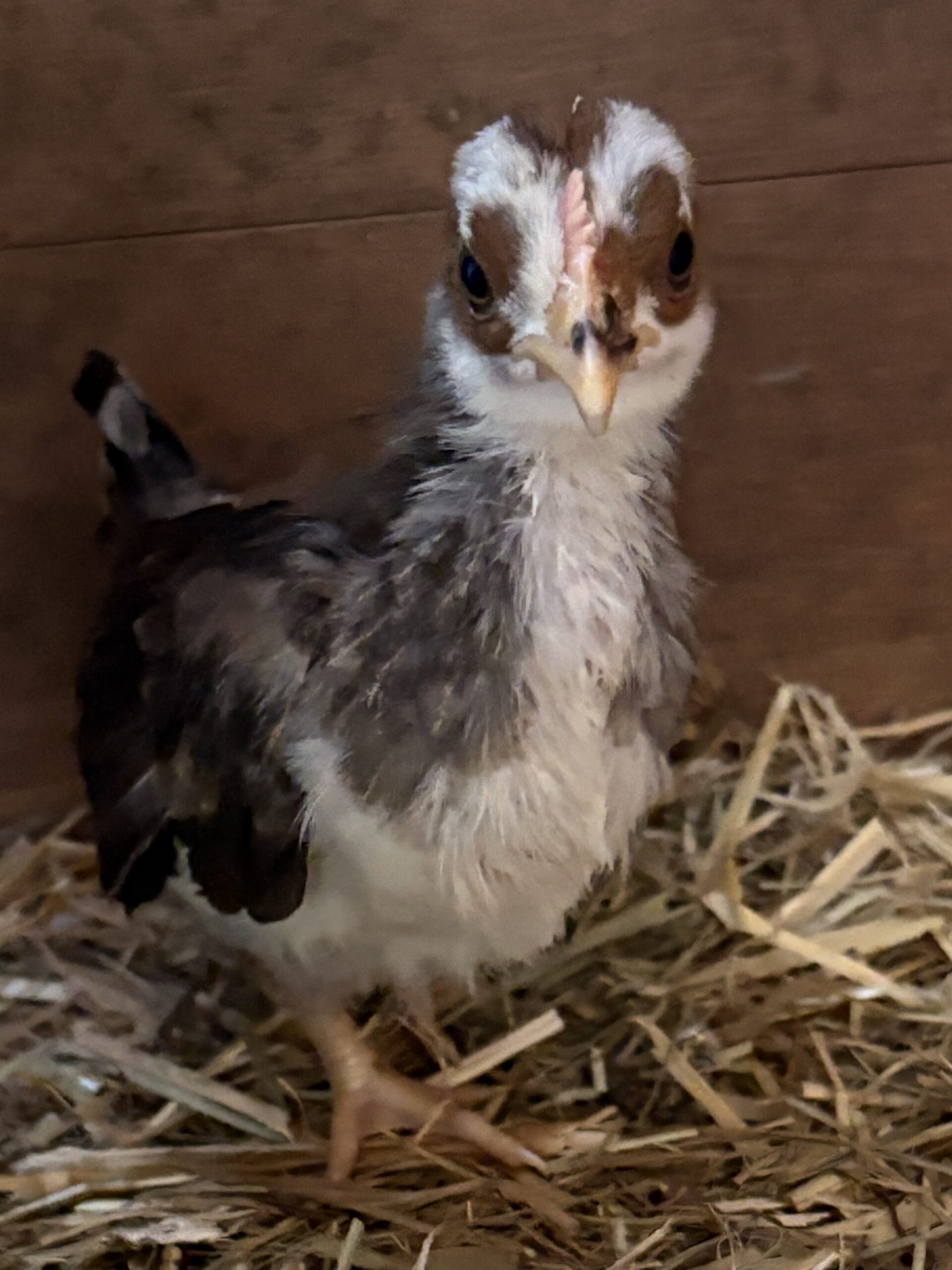
The Kikiriki (often affectionately called the "Kiki") is an avian masterpiece. While it is frequently confused with the Malaysian Serama, the Kikiriki is a distinct breed with a deep cultural heritage rooted in Puerto Rico. Known for being arguably the smallest chicken breed in the world, the Kikiriki is a "pocket-sized" bird with a personality that rivals the largest of livestock.
1. Origins and History: The Pride of Puerto Rico
The history of the Kikiriki is a blend of oral tradition and selective island breeding. Unlike many European or American breeds with documented pedigrees from the 1800s, the Kikiriki was developed in Puerto Rico through generations of local passion.
Etymology: The name "Kikiriki" (pronounced kee-kee-ree-KEE) is the Spanish onomatopoeia for "cock-a-doodle-doo." It perfectly captures the breed's spirit—a tiny bird that finds its voice with the same gusto as a giant Brahma.
The Island Influence: The breed was refined by Puerto Rican fanciers who favored ultra-miniature birds. The foundation stock likely included various bantam genetics brought to the island over centuries, which were then "miniaturized" through selective breeding for the tropical climate and indoor-outdoor island lifestyle.
2. Breed Characteristics: A Kaleidoscope of Traits
One of the most fascinating aspects of the Kikiriki is its lack of a rigid "Standard of Perfection." Instead, breeders focus on exotic and diverse traits that make each bird a unique work of art.
Common Phenotypes (Physical Traits):
The Lion Face: Perhaps the most "boutique" look in the Kiki world. A true Lion Face is a combination of heavy muffs (cheek feathers) and a thick beard. When paired with a crest, it creates a majestic "mane" that frames the face.
The Bolo (Rumpless): A prized trait where the bird is born without a tail bone or tail feathers. This gives the Kiki a distinctively rounded, compact, "ball-like" silhouette.
The Bonehead (Vaulted Skull): A prominent, bony protrusion on the top of the skull. This is a highly sought-after trait that adds an exotic, regal height to the bird’s head.
The Topi (Crested): A "hat" of feathers on the head, which can range from a few elegant wisps to a full, voluminous pom-pom.
3. Understanding Winter Resilience
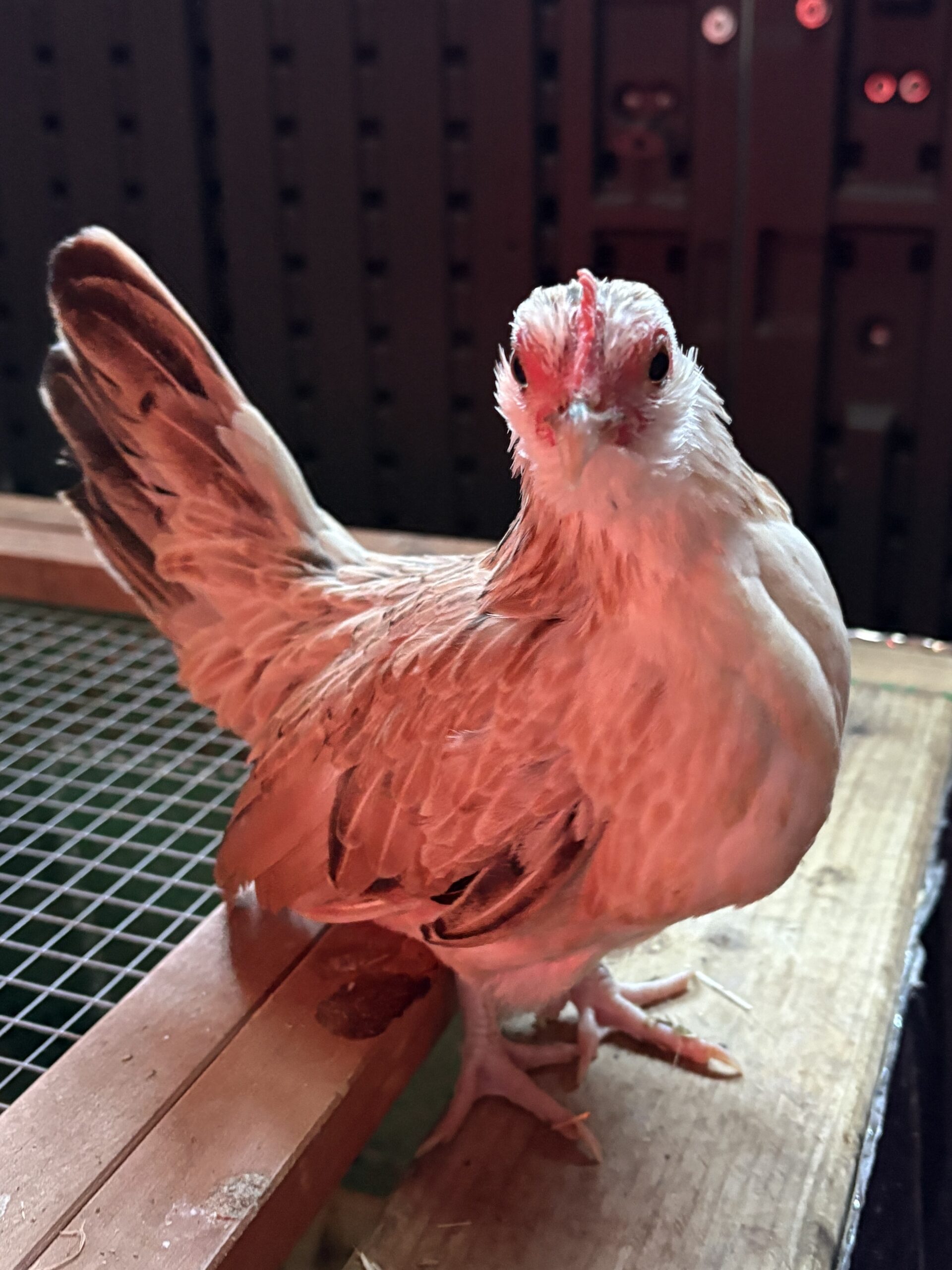
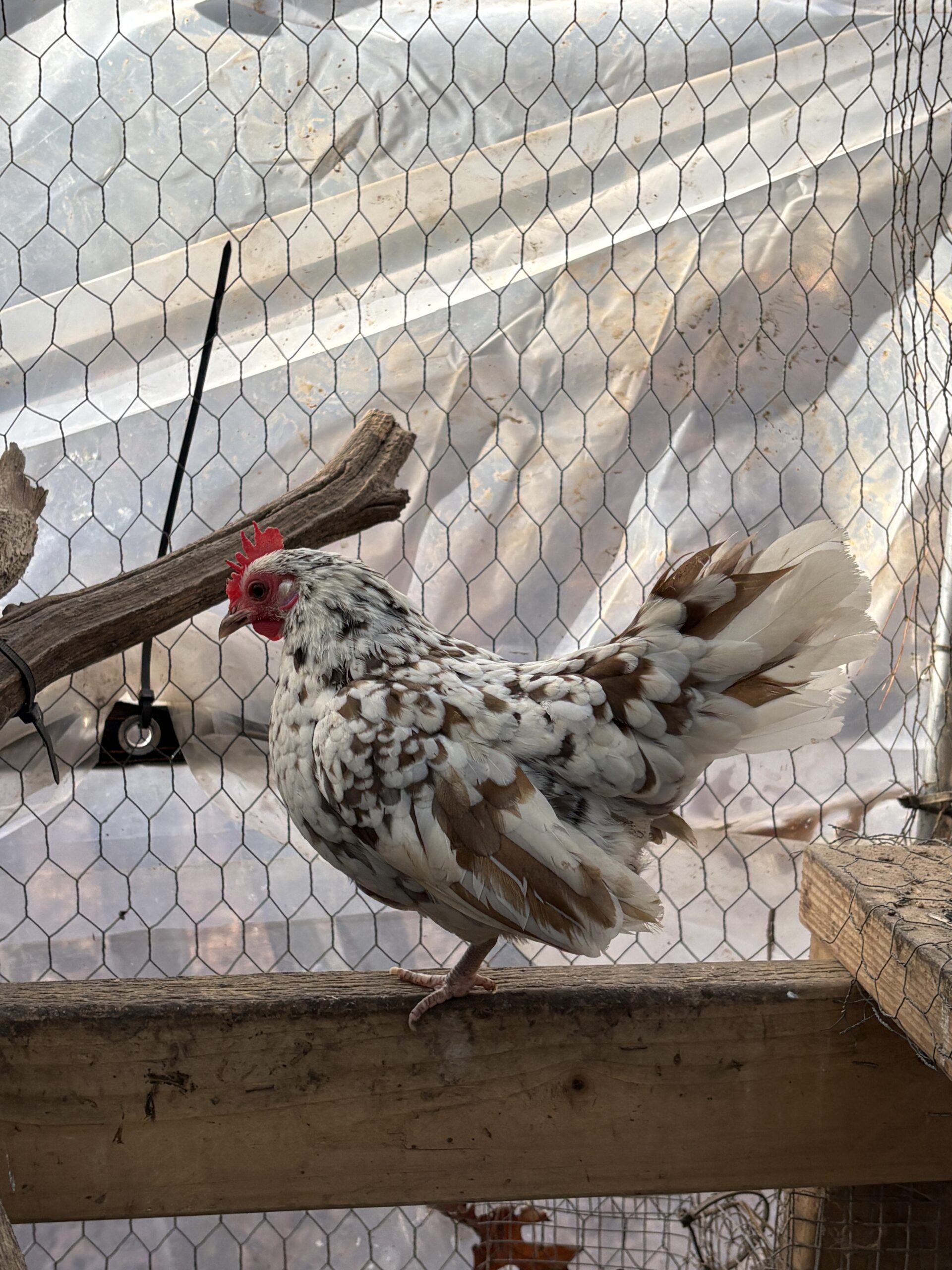
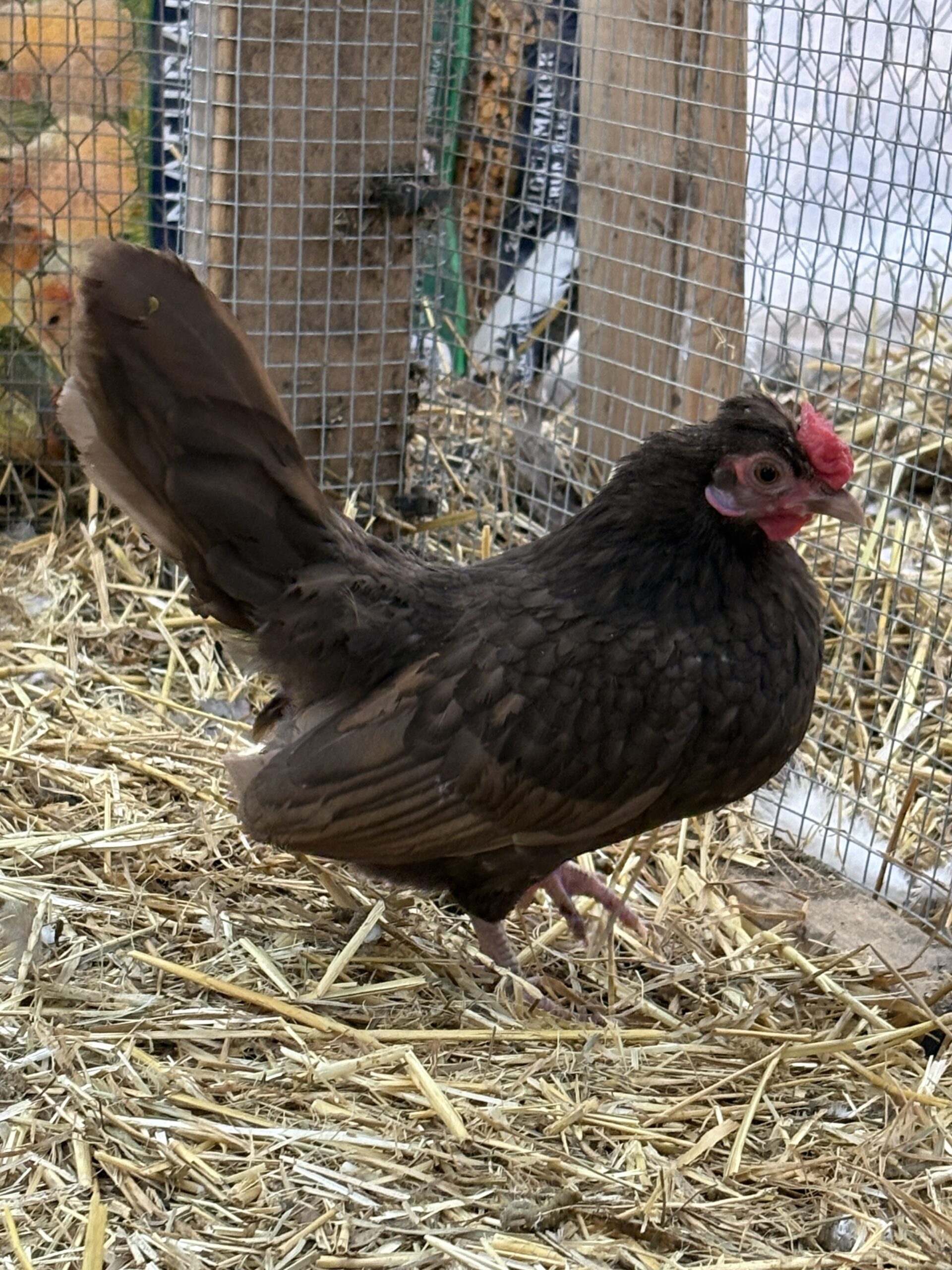
There is a common misconception that Kikirikis are too fragile for cold climates. While they do have tropical origins, they are remarkably adaptable.
Acclimation is Key: Like most poultry, Kikirikis can handle cold temperatures very well if they are allowed to acclimate naturally as the seasons change.
The Ideal Setup: They thrive outdoors even in winter, provided they have a covered run that keeps them dry and, most importantly, protected from drafts and the elements. Because of their small body mass, staying dry and out of the wind is the most critical factor in their winter success.
Metabolism: These tiny birds have high metabolisms. Providing extra calories and supportive herbs during a cold snap helps them maintain the internal heat needed to stay comfortable in their outdoor homes.
4. The Perfect House Companion
In recent years, the Kikiriki has also transitioned into the living room. Their size and temperament make them the premier choice for "House Chickens."
Social Intelligence: Kikis are remarkably "dog-like." They can recognize their names, follow routines, and are known to be far more affectionate than standard backyard hens.
Biosecurity Advantages: Keeping a Kikiriki indoors (with the help of a chicken diaper!) protects them from predators and outdoor diseases, allowing them to live long, pampered lives as true members of the family.
5. Summary: A Living Legacy
The Kikiriki is more than just a "tiny chicken." It is a symbol of Puerto Rican agricultural artistry and a testament to how much personality can be packed into a 10-ounce body. Whether you are a seasoned breeder looking for the next "Bolo" champion or a hobbyist looking for a "Lion Faced" roommate, the Kikiriki offers a unique window into the world of exotic poultry.


Final Summary: The Small Bird with the Infinite Heart
Ultimately, the Kikiriki is a testament to the fact that greatness isn't measured in pounds or inches. Whether they are strutting through a draft-free outdoor run or snuggling on a sofa, these birds offer a level of companionship and aesthetic beauty that is truly unique in the poultry world. They are a bridge between the tradition of the farm and the intimacy of the home—a hardy, hilarious, and handsome addition to any flock. By understanding their history and respecting their unique traits, we ensure that this vibrant Puerto Rican legacy continues to thrive for generations to come.