Balancing Corporate & Homesteading Lifestyles
The Art of Acclimation: Helping Your Kikirikis Thrive in Every Season

There is a common myth in the poultry world that small, exotic birds like the Kikiriki are "delicate" or "fragile" when it comes to the weather. However, experienced keepers know that these tiny titans are far more resilient than they get credit for. The secret to a healthy, happy Kiki isn't necessarily a heated coop—it’s the art of acclimation.
Here is how to ensure your Kikirikis stay strong and comfortable, whether they are living in an outdoor run or transitioning between the coop and the couch.
1. Understanding Cold vs. Exposure
It’s rarely the temperature itself that affects a Kikiriki; it’s the elements. Because of their small body mass, a Kiki can regulate its temperature efficiently in a dry, still environment. However, once you add moisture or wind, they lose body heat rapidly.
The Draft-Free Rule: Your run doesn’t need to be warm, but it must be still. Using clear tarps or plexiglass on the windward sides of a covered run allows sunlight in (creating a greenhouse effect) while blocking the biting wind that ruffles their feathers and steals their heat.
Keep it Dry: Moisture is the enemy of the Kikiriki. A covered run that keeps snow and rain out is essential. When a bird’s feathers get wet, they lose their insulating properties, making the cold much harder to manage.
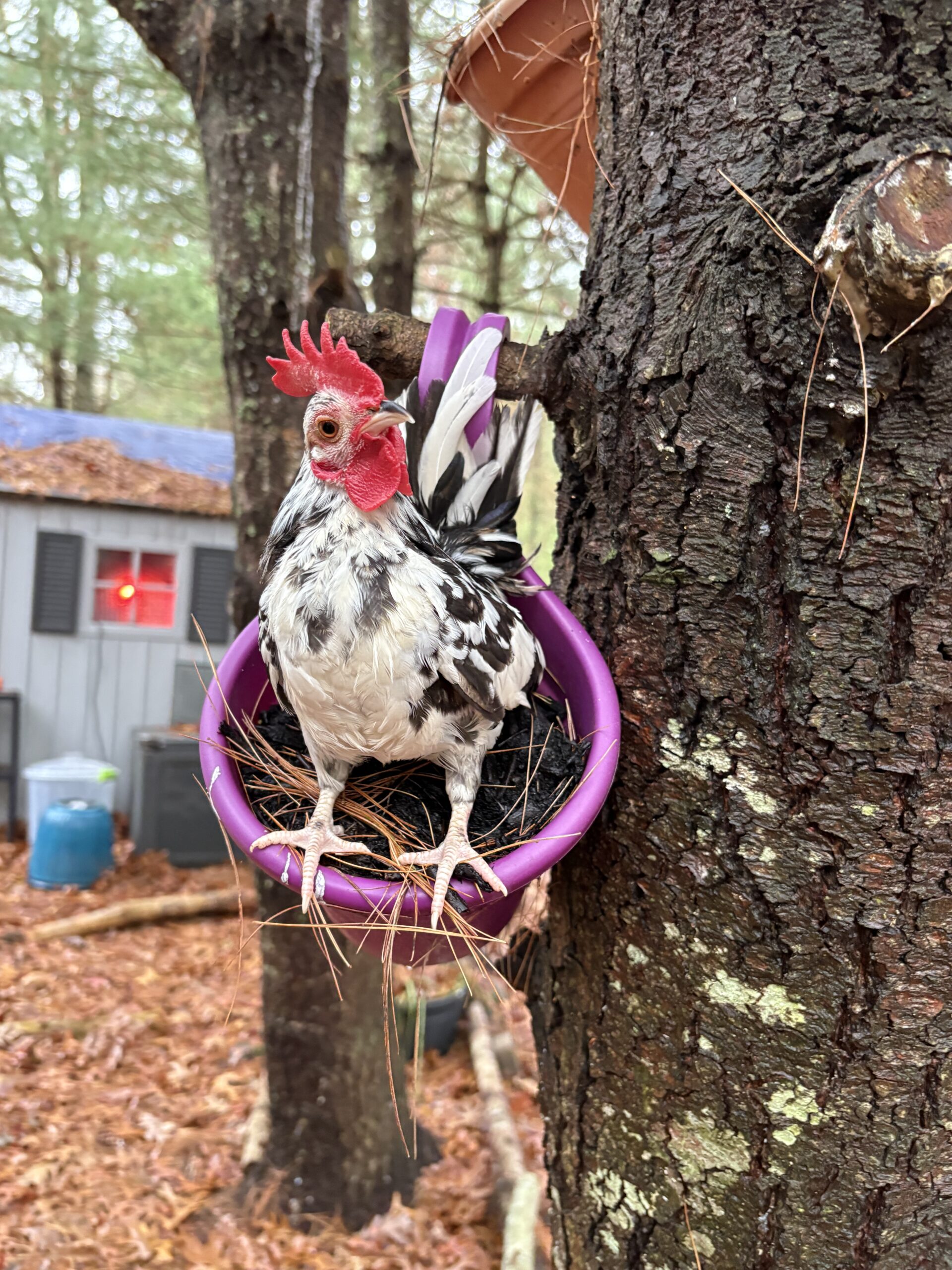
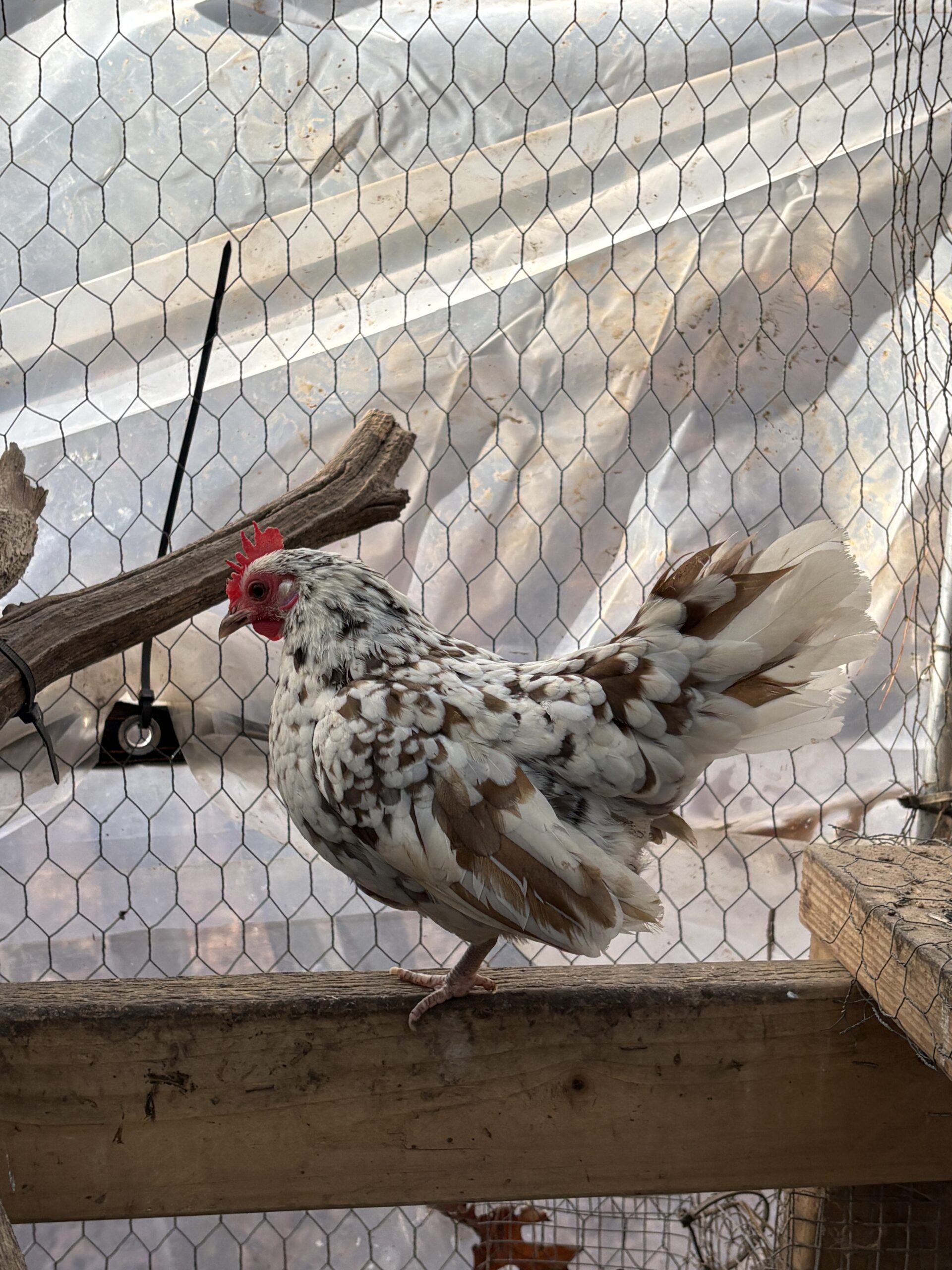
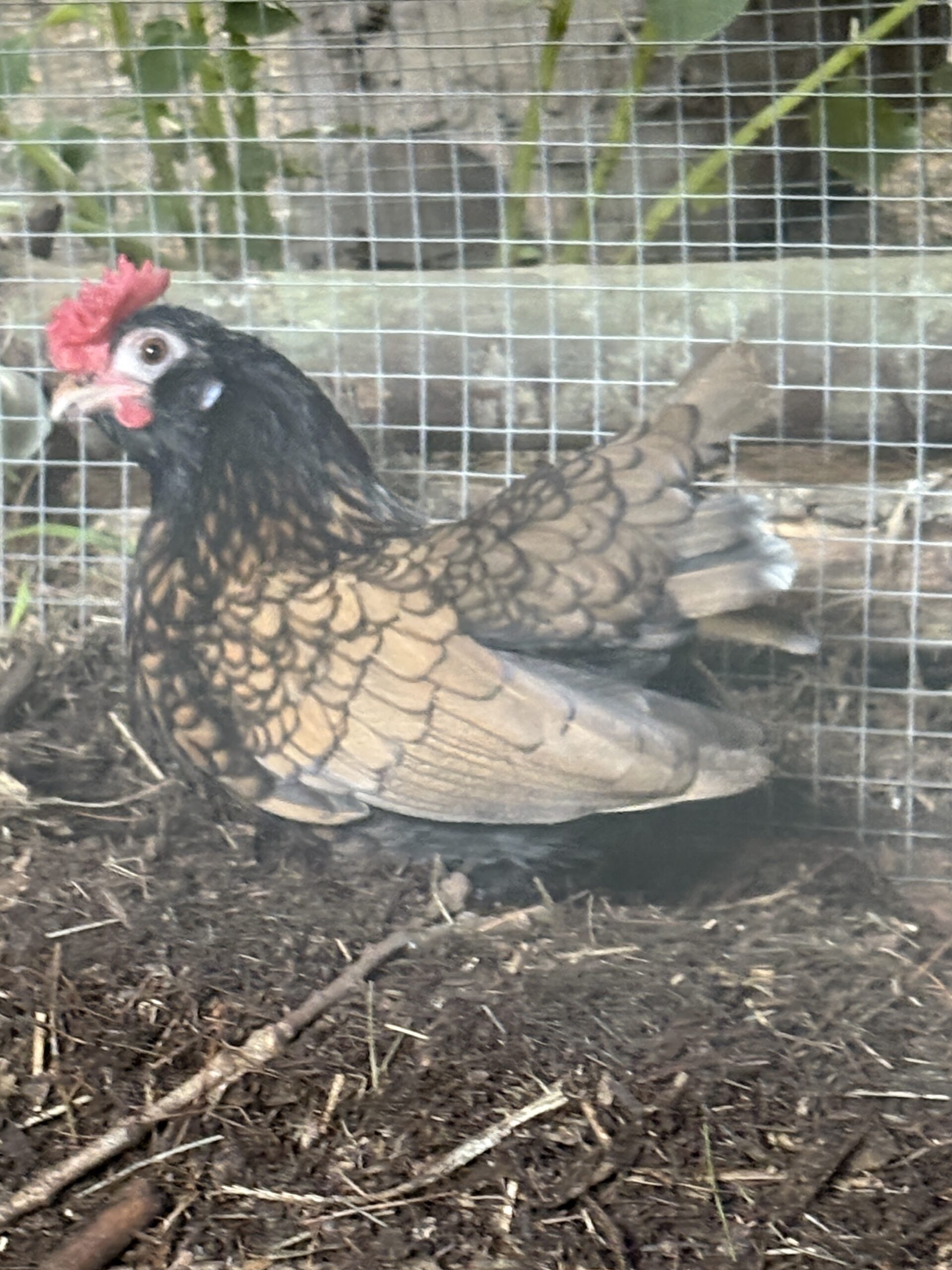
2. The Natural Shift: Seasonal Acclimation
The best way to "winterize" a Kikiriki is to let Mother Nature do the work. Birds that live outdoors during the autumn will naturally grow a denser down layer and adjust their metabolism as the mercury drops.
If you take a bird that has been living in a 70°F house and put it directly into a 30°F run, they will suffer from temperature shock. Always allow for a gradual transition over 1–2 weeks so their bodies can catch up to the change.
3. Fueling the Internal Furnace
Think of your Kikiriki like a tiny wood stove. To stay warm, they have to keep their internal fire burning.
High-Calorie Boosts: In the winter, Kikis benefit from a bit of extra corn or scratch grains right before bed. Digesting these carbohydrates throughout the night creates metabolic heat.
Herbal Support: This is where internal wellness shines. Herbs like Thyme and Oregano support respiratory health, while Nettle provides a mineral boost to keep their systems robust when they aren't foraging for fresh greens.
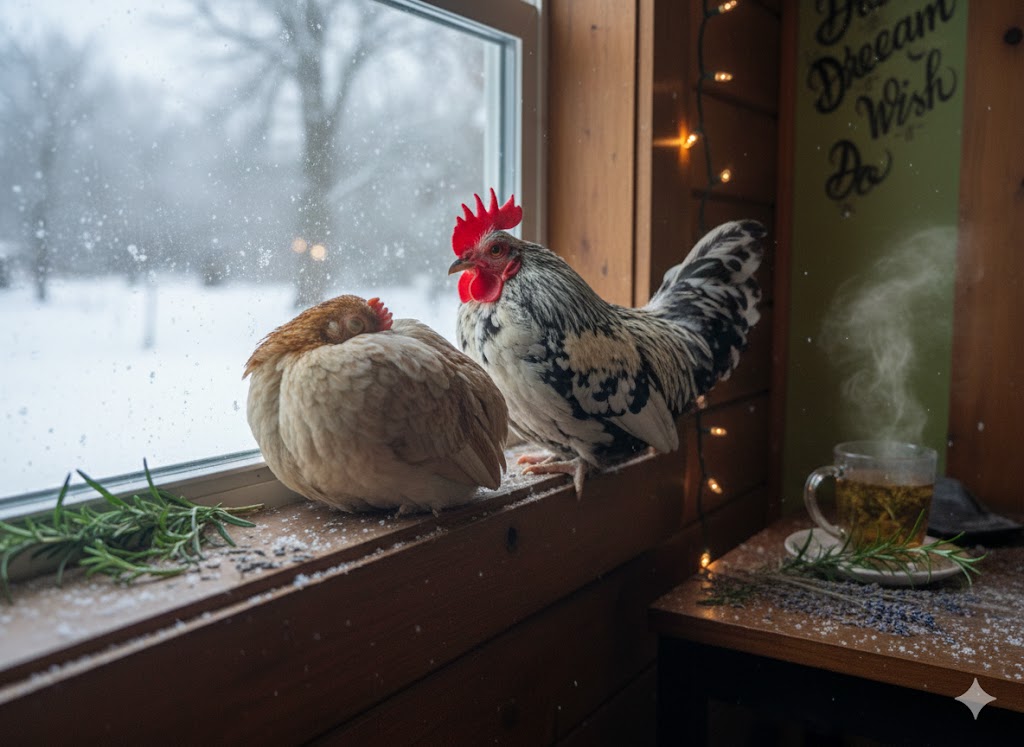
4. Indoor-Outdoor Transitions: Avoiding the "Shock"
For many Kikiriki lovers, these birds are "part-time" house pets. If you want to bring your outdoor Kiki inside for a visit, keep these tips in mind:
Mind the Gap: Try to avoid bringing them from a freezing run into a sweltering 75°F living room for long periods. A mudroom or a cooler part of the house is a better "middle ground."
Short Visits: If they are just coming in for a quick snuggle or a photo, they’ll be fine. Just ensure they are completely dry before they head back out to the coop.
5. Summary: Resilience Through Management
A Kikiriki in a well-managed, draft-free, covered run is often hardier than a standard-sized bird in a damp, poorly ventilated coop. By focusing on dry air, consistent protection, and high-quality nutrition, you can enjoy your Kikis year-round, watching them strut through the winter with the same Puerto Rican flair they show in the summer.
Keep the "Fire" Burning: Help your flock acclimate with our Winter Wellness blend! Packed with warming herbs and respiratory support, it’s the perfect addition to their winter routine. Find it at featherandfurnaturals.com.