Balancing Corporate & Homesteading Lifestyles
Daily Life on the Homestead 8/28/2026
There’s really no such thing as a completely ordinary day around here.
Some mornings start quietly with coffee, a quick walk outside, and the sound of chickens already reminding me that they’ve been awake much longer than I have. Other mornings start with somebody escaping a pen, a drinker that somehow became full of bedding overnight, or a rooster announcing to the entire neighborhood that the sun has, once again, successfully risen.
That’s homestead life.
It’s feeding, watering, cleaning, planting, fixing, checking, carrying, hauling, learning, and occasionally standing in the middle of the yard wondering what you came outside to do in the first place.
But tucked in between all of that are the little moments that make it worth it — fresh eggs in the nest box, vegetables coming in from the garden, a bird you’ve been worried about looking better, or simply sitting outside for a few minutes watching the flock do what chickens do.
This series is going to be a look at the everyday side of Weekend Homesteaders — the chores, the animals, the projects, the mistakes, the small wins, and all the things that happen in between.
Because homesteading isn’t just the big projects.
Most of the time, it’s simply what you do every day.
The Art of Acclimation: Helping Your Kikirikis Thrive in Every Season
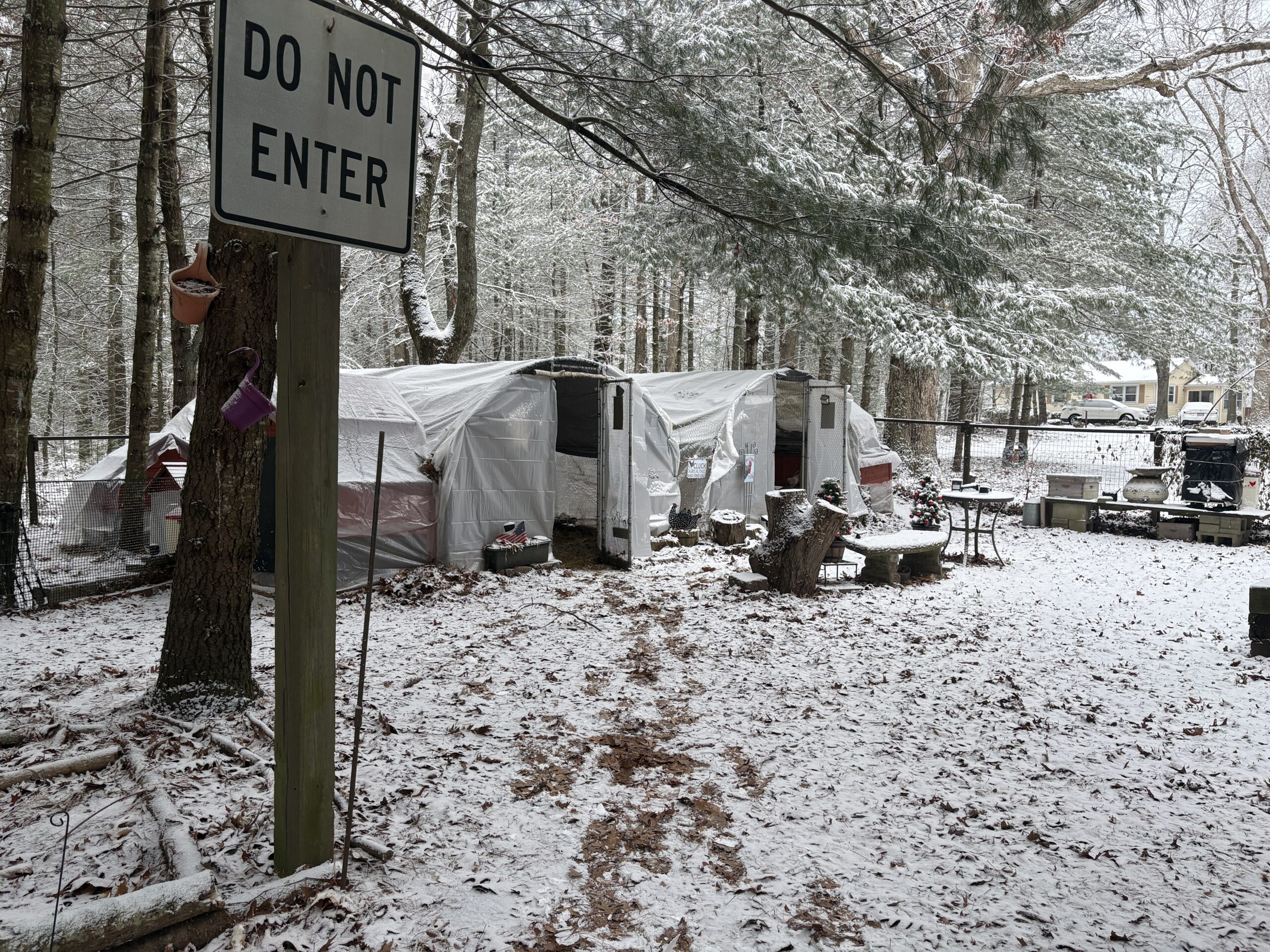
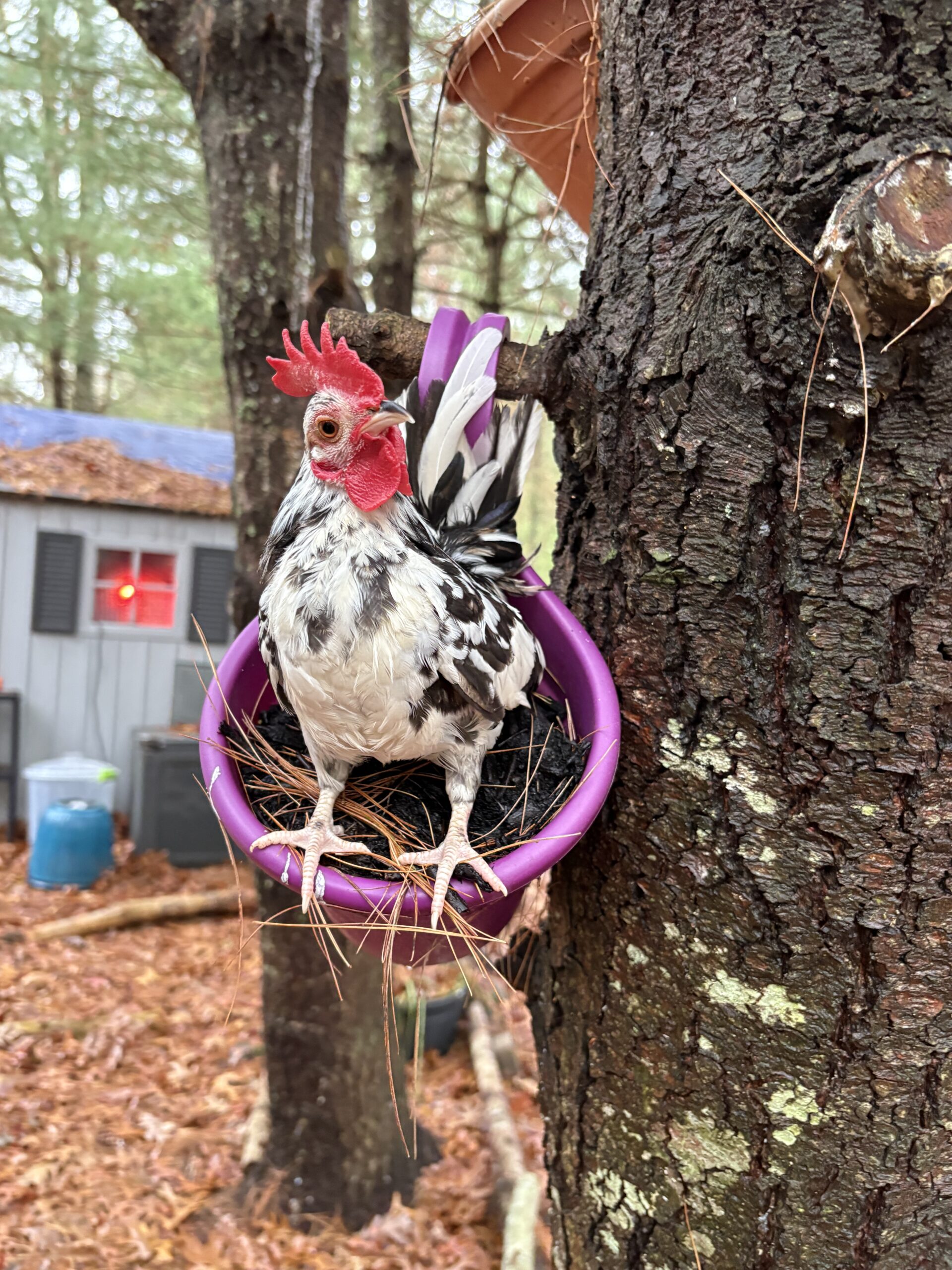
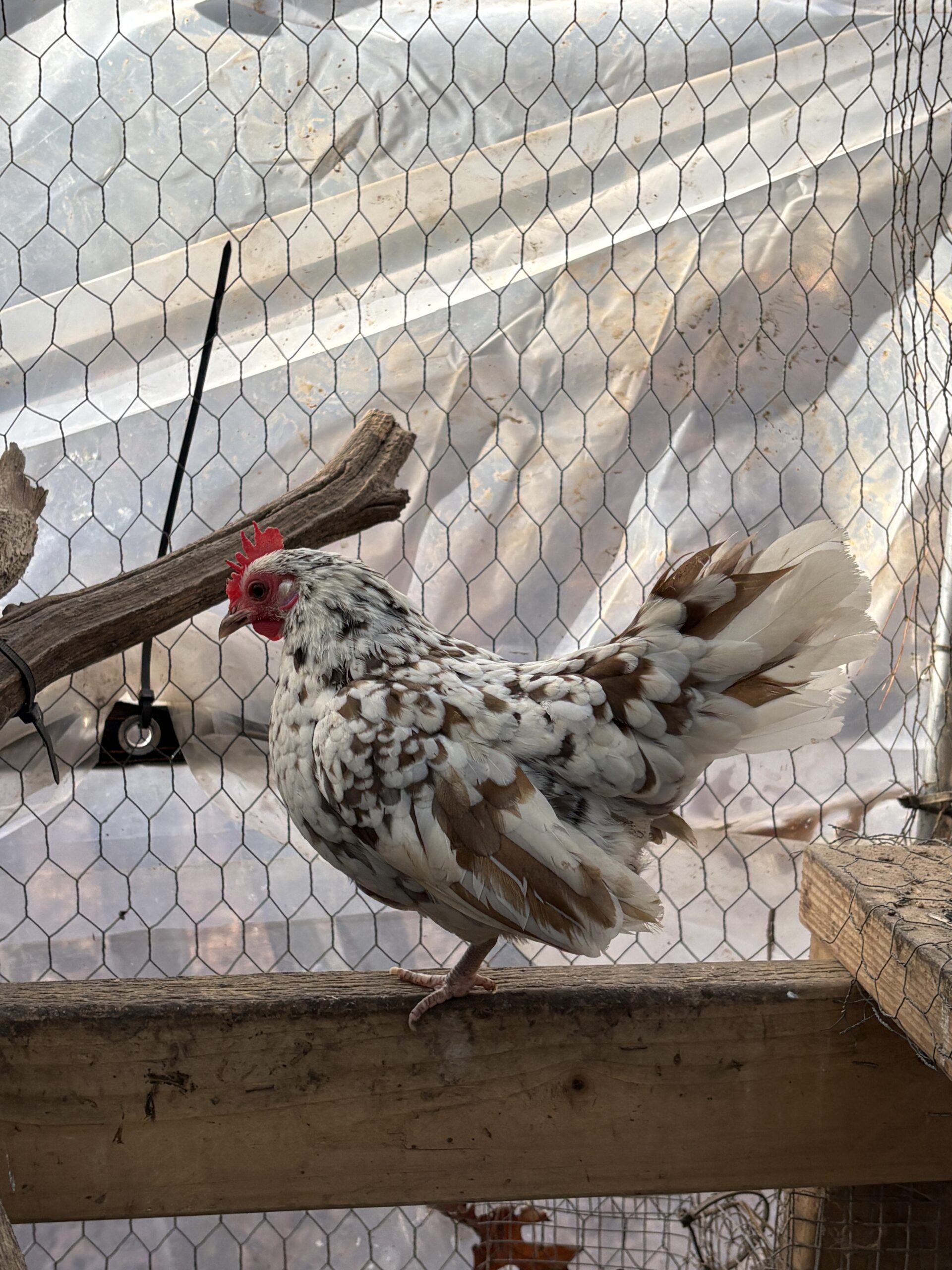
There is a common myth in the poultry world that small, exotic birds like the Kikiriki are "delicate" or "fragile" when it comes to the weather. However, experienced keepers know that these tiny titans are far more resilient than they get credit for. The secret to a healthy, happy Kiki isn't necessarily a heated coop—it’s the art of acclimation.
Here is how to ensure your Kikirikis stay strong and comfortable, whether they are living in an outdoor run or transitioning between the coop and the couch.
1. Understanding Cold vs. Exposure
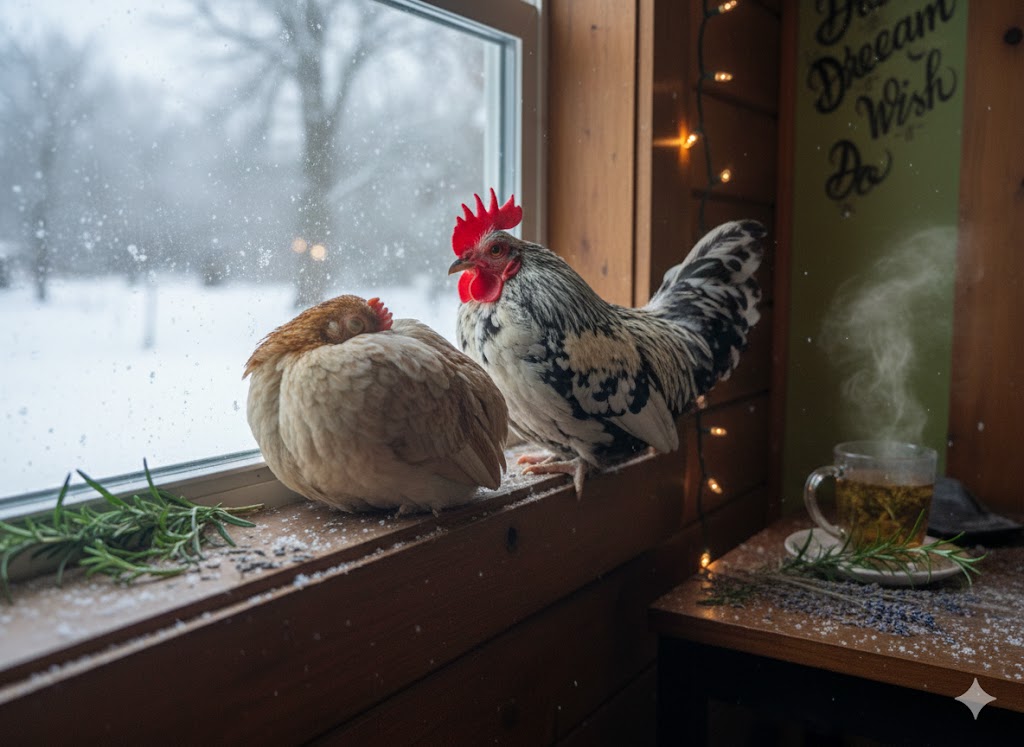
It’s rarely the temperature itself that affects a Kikiriki; it’s the elements. Because of their small body mass, a Kiki can regulate its temperature efficiently in a dry, still environment. However, once you add moisture or wind, they lose body heat rapidly.
The Draft-Free Rule: Your run doesn’t need to be warm, but it must be still. Using clear tarps or plexiglass on the windward sides of a covered run allows sunlight in (creating a greenhouse effect) while blocking the biting wind that ruffles their feathers and steals their heat.
Keep it Dry: Moisture is the enemy of the Kikiriki. A covered run that keeps snow and rain out is essential. When a bird’s feathers get wet, they lose their insulating properties, making the cold much harder to manage.
2. The Natural Shift: Seasonal Acclimation
The best way to "winterize" a Kikiriki is to let Mother Nature do the work. Birds that live outdoors during the autumn will naturally grow a denser down layer and adjust their metabolism as the mercury drops.
If you take a bird that has been living in a 70°F house and put it directly into a 30°F run, they will suffer from temperature shock. Always allow for a gradual transition over 1–2 weeks so their bodies can catch up to the change.
3. Fueling the Internal Furnace
Think of your Kikiriki like a tiny wood stove. To stay warm, they have to keep their internal fire burning.
High-Calorie Boosts: In the winter, Kikis benefit from a bit of extra corn or scratch grains right before bed. Digesting these carbohydrates throughout the night creates metabolic heat.
Herbal Support: This is where internal wellness shines. Herbs like Thyme and Oregano support respiratory health, while Nettle provides a mineral boost to keep their systems robust when they aren't foraging for fresh greens.
4. Indoor-Outdoor Transitions: Avoiding the "Shock"
For many Kikiriki lovers, these birds are "part-time" house pets. If you want to bring your outdoor Kiki inside for a visit, keep these tips in mind:
Mind the Gap: Try to avoid bringing them from a freezing run into a sweltering 75°F living room for long periods. A mudroom or a cooler part of the house is a better "middle ground."
Short Visits: If they are just coming in for a quick snuggle or a photo, they’ll be fine. Just ensure they are completely dry before they head back out to the coop.
5. Summary: Resilience Through Management
A Kikiriki in a well-managed, draft-free, covered run is often hardier than a standard-sized bird in a damp, poorly ventilated coop. By focusing on dry air, consistent protection, and high-quality nutrition, you can enjoy your Kikis year-round, watching them strut through the winter with the same Puerto Rican flair they show in the summer.
Keep the "Fire" Burning: Help your flock acclimate with our Winter Wellness blend! Packed with warming herbs and respiratory support, it’s the perfect addition to their winter routine. Find it at featherandfurnaturals.com.
The Ultimate Guide to the Kikiriki: History, Heritage, and Heart
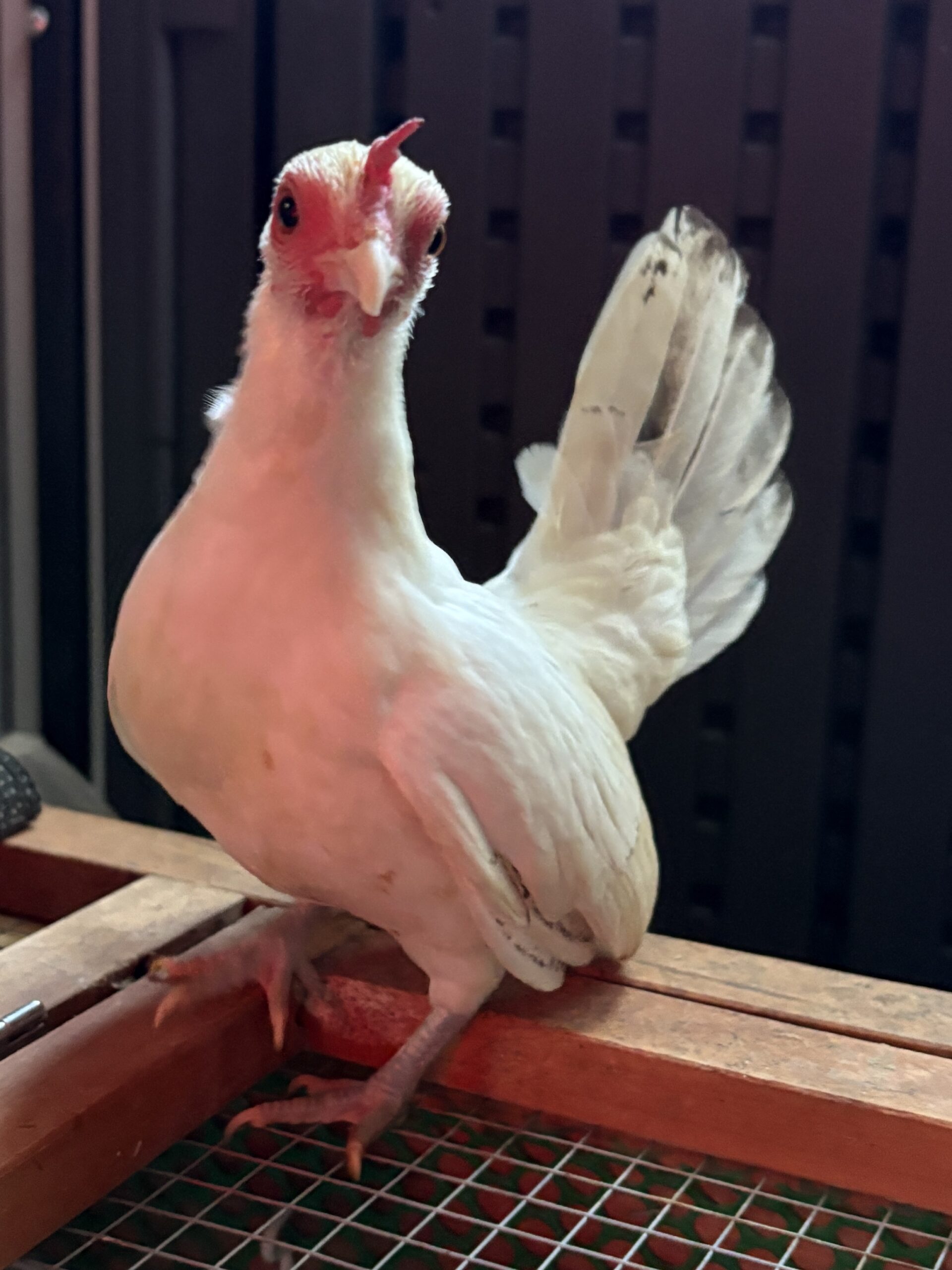
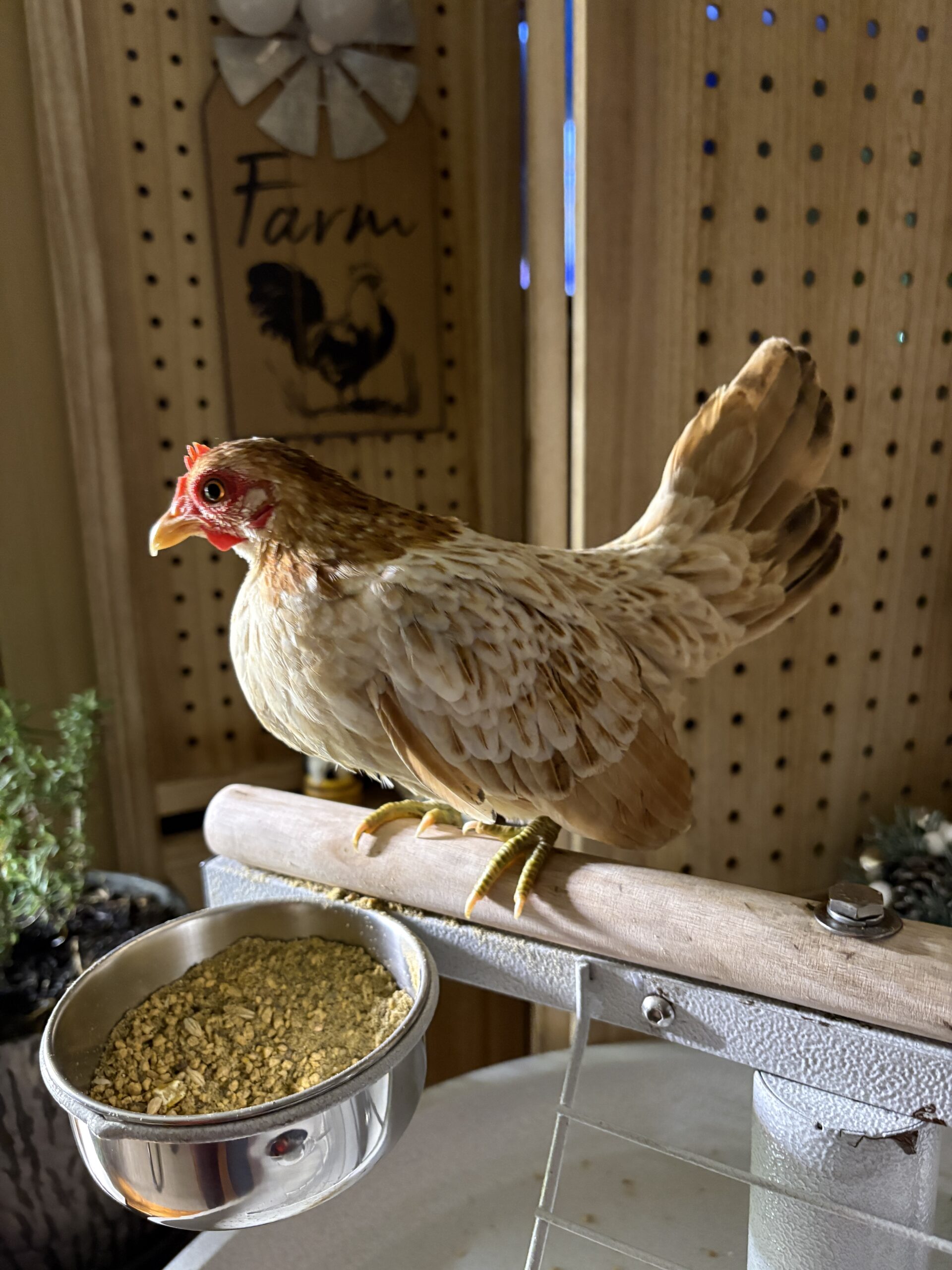
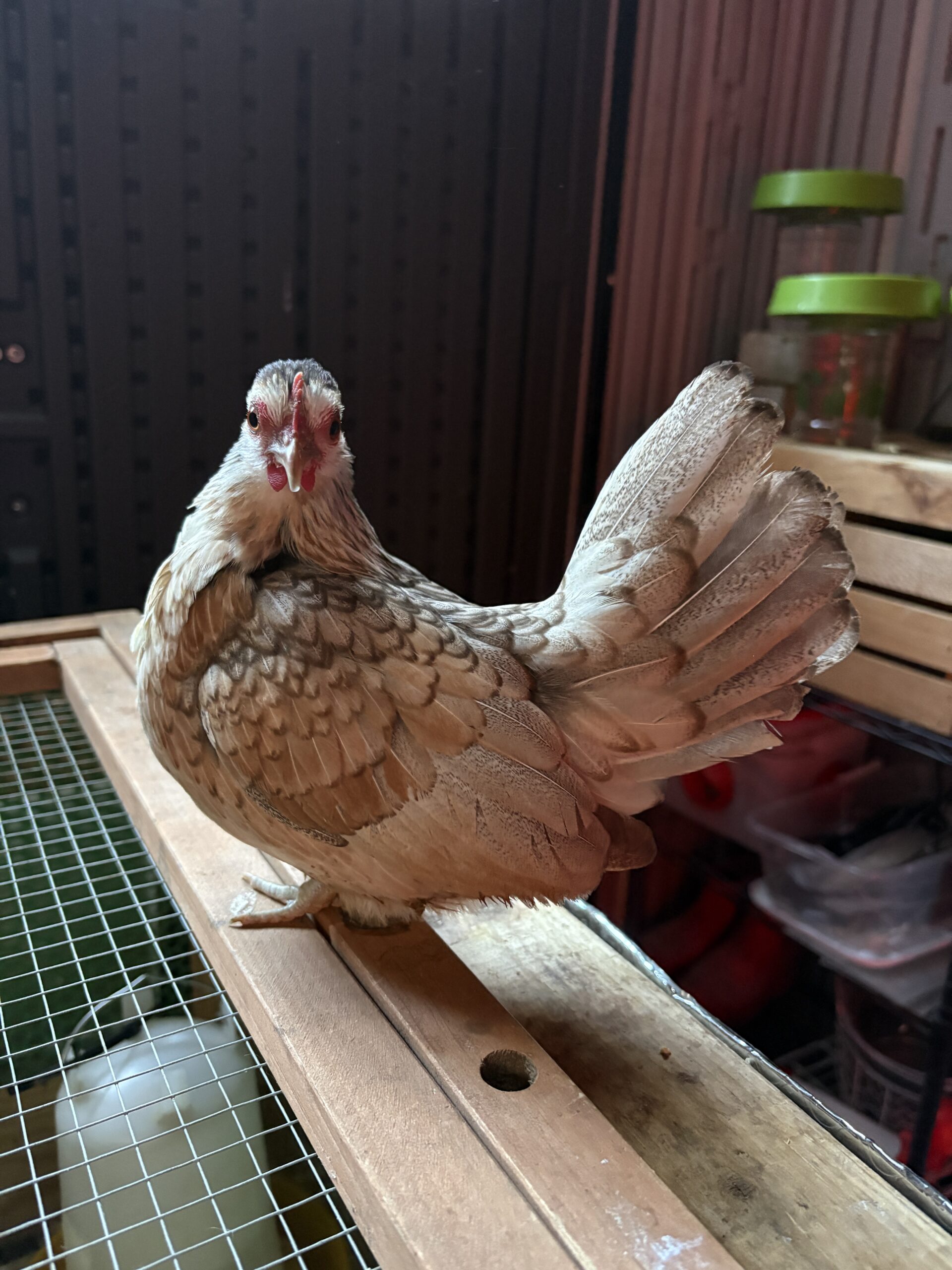
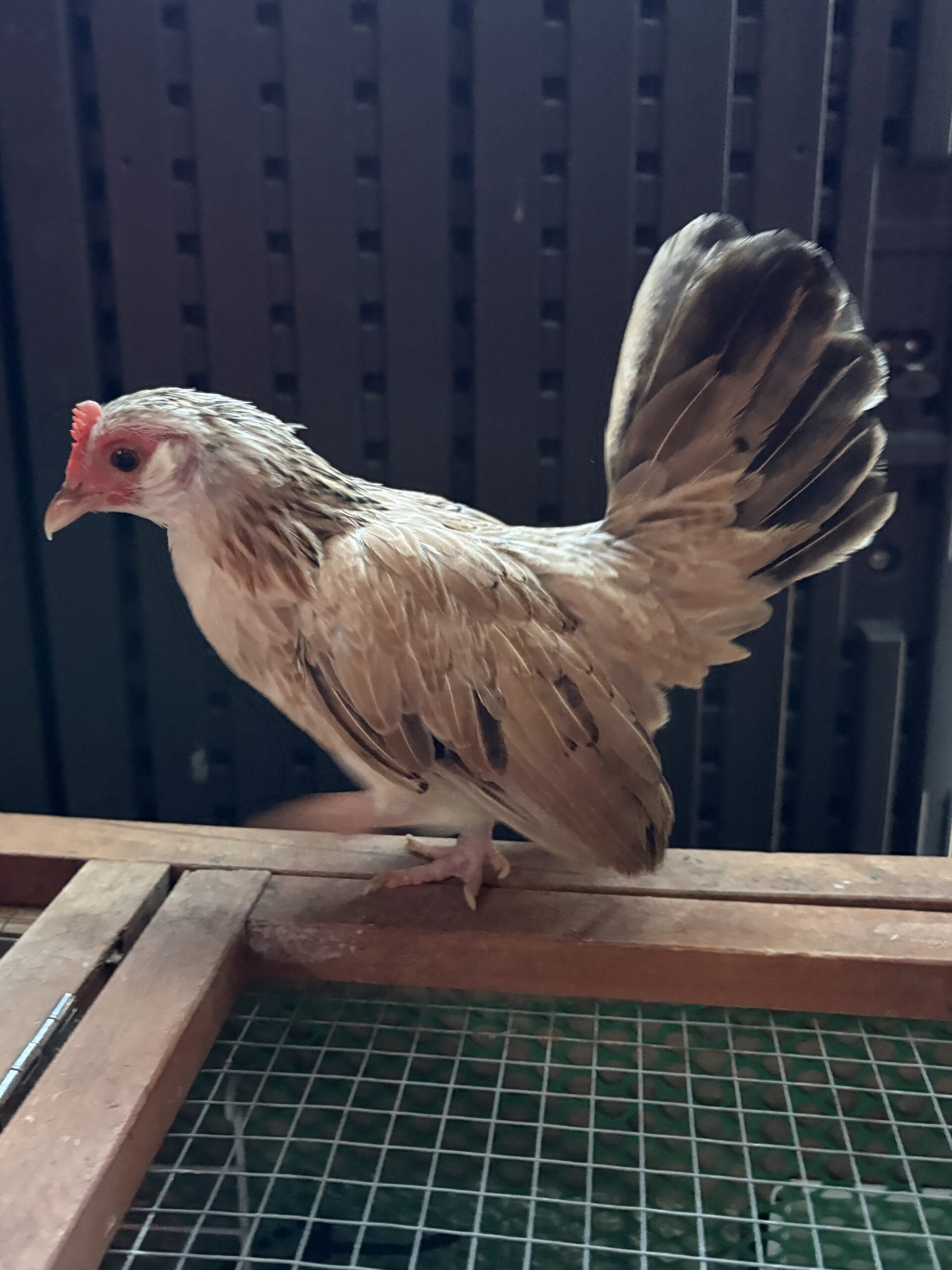
The Kikiriki (often affectionately called the "Kiki") is an avian masterpiece. While it is frequently confused with the Malaysian Serama, the Kikiriki is a distinct breed with a deep cultural heritage rooted in Puerto Rico. Known for being arguably the smallest chicken breed in the world, the Kikiriki is a "pocket-sized" bird with a personality that rivals the largest of livestock.
1. Origins and History: The Pride of Puerto Rico
The history of the Kikiriki is a blend of oral tradition and selective island breeding. Unlike many European or American breeds with documented pedigrees from the 1800s, the Kikiriki was developed in Puerto Rico through generations of local passion.
Etymology: The name "Kikiriki" (pronounced kee-kee-ree-KEE) is the Spanish onomatopoeia for "cock-a-doodle-doo." It perfectly captures the breed's spirit—a tiny bird that finds its voice with the same gusto as a giant Brahma.
The Island Influence: The breed was refined by Puerto Rican fanciers who favored ultra-miniature birds. The foundation stock likely included various bantam genetics brought to the island over centuries, which were then "miniaturized" through selective breeding for the tropical climate and indoor-outdoor island lifestyle.
2. Breed Characteristics: A Kaleidoscope of Traits
One of the most fascinating aspects of the Kikiriki is its lack of a rigid "Standard of Perfection." Instead, breeders focus on exotic and diverse traits that make each bird a unique work of art.
Common Phenotypes (Physical Traits):
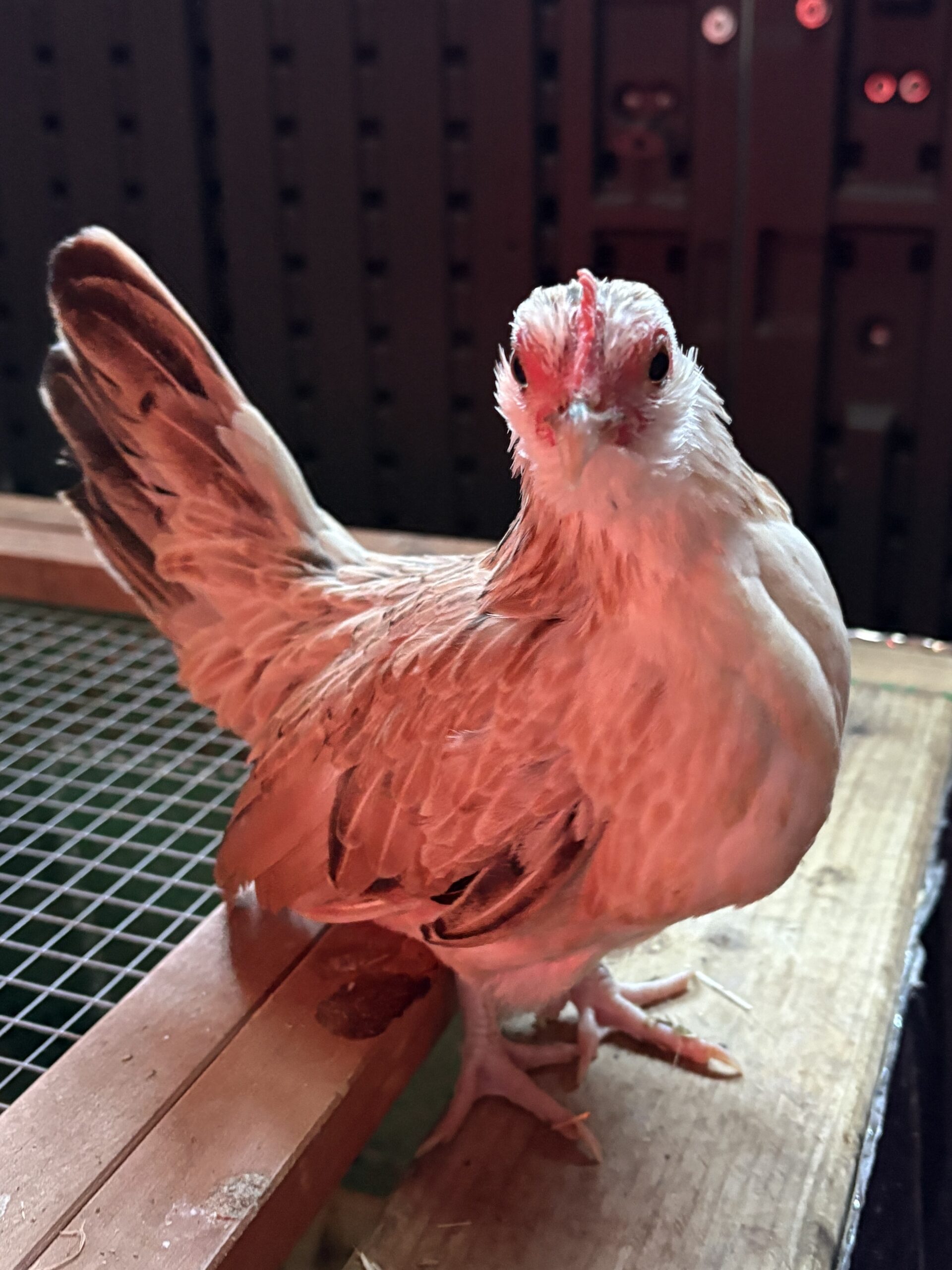
The Lion Face: Perhaps the most "boutique" look in the Kiki world. A true Lion Face is a combination of heavy muffs (cheek feathers) and a thick beard. When paired with a crest, it creates a majestic "mane" that frames the face.
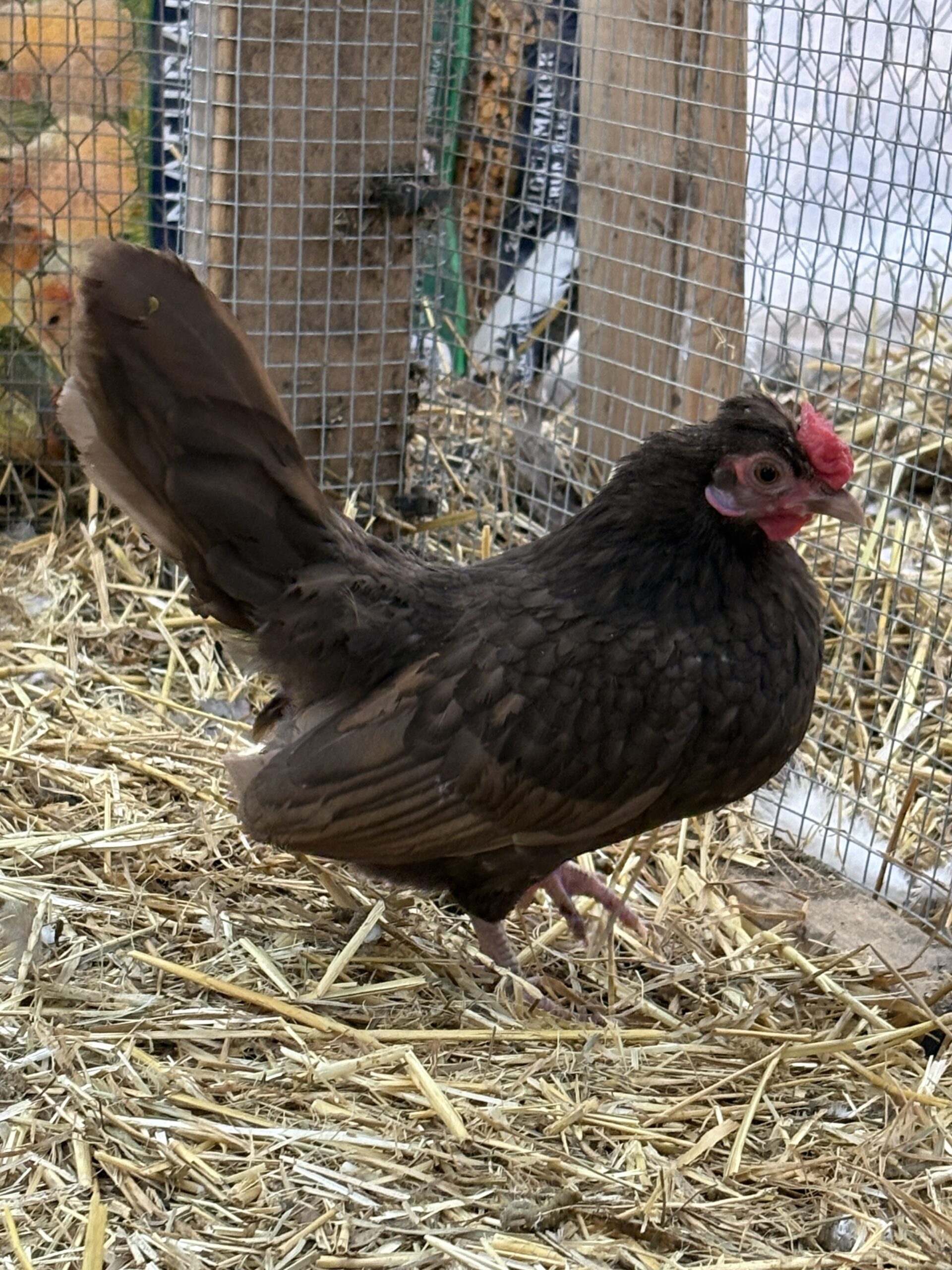
The Bolo (Rumpless): A prized trait where the bird is born without a tail bone or tail feathers. This gives the Kiki a distinctively rounded, compact, "ball-like" silhouette.
The Bonehead (Vaulted Skull): A prominent, bony protrusion on the top of the skull. This is a highly sought-after trait that adds an exotic, regal height to the bird’s head.
The Topi (Crested): A "hat" of feathers on the head, which can range from a few elegant wisps to a full, voluminous pom-pom.
3. Understanding Winter Resilience
There is a common misconception that Kikirikis are too fragile for cold climates. While they do have tropical origins, they are remarkably adaptable.
Acclimation is Key: Like most poultry, Kikirikis can handle cold temperatures very well if they are allowed to acclimate naturally as the seasons change.
The Ideal Setup: They thrive outdoors even in winter, provided they have a covered run that keeps them dry and, most importantly, protected from drafts and the elements. Because of their small body mass, staying dry and out of the wind is the most critical factor in their winter success.
Metabolism: These tiny birds have high metabolisms. Providing extra calories and supportive herbs during a cold snap helps them maintain the internal heat needed to stay comfortable in their outdoor homes.
4. The Perfect House Companion
In recent years, the Kikiriki has also transitioned into the living room. Their size and temperament make them the premier choice for "House Chickens."
Social Intelligence: Kikis are remarkably "dog-like." They can recognize their names, follow routines, and are known to be far more affectionate than standard backyard hens.
Biosecurity Advantages: Keeping a Kikiriki indoors (with the help of a chicken diaper!) protects them from predators and outdoor diseases, allowing them to live long, pampered lives as true members of the family.
5. Summary: A Living Legacy
The Kikiriki is more than just a "tiny chicken." It is a symbol of Puerto Rican agricultural artistry and a testament to how much personality can be packed into a 10-ounce body. Whether you are a seasoned breeder looking for the next "Bolo" champion or a hobbyist looking for a "Lion Faced" roommate, the Kikiriki offers a unique window into the world of exotic poultry.
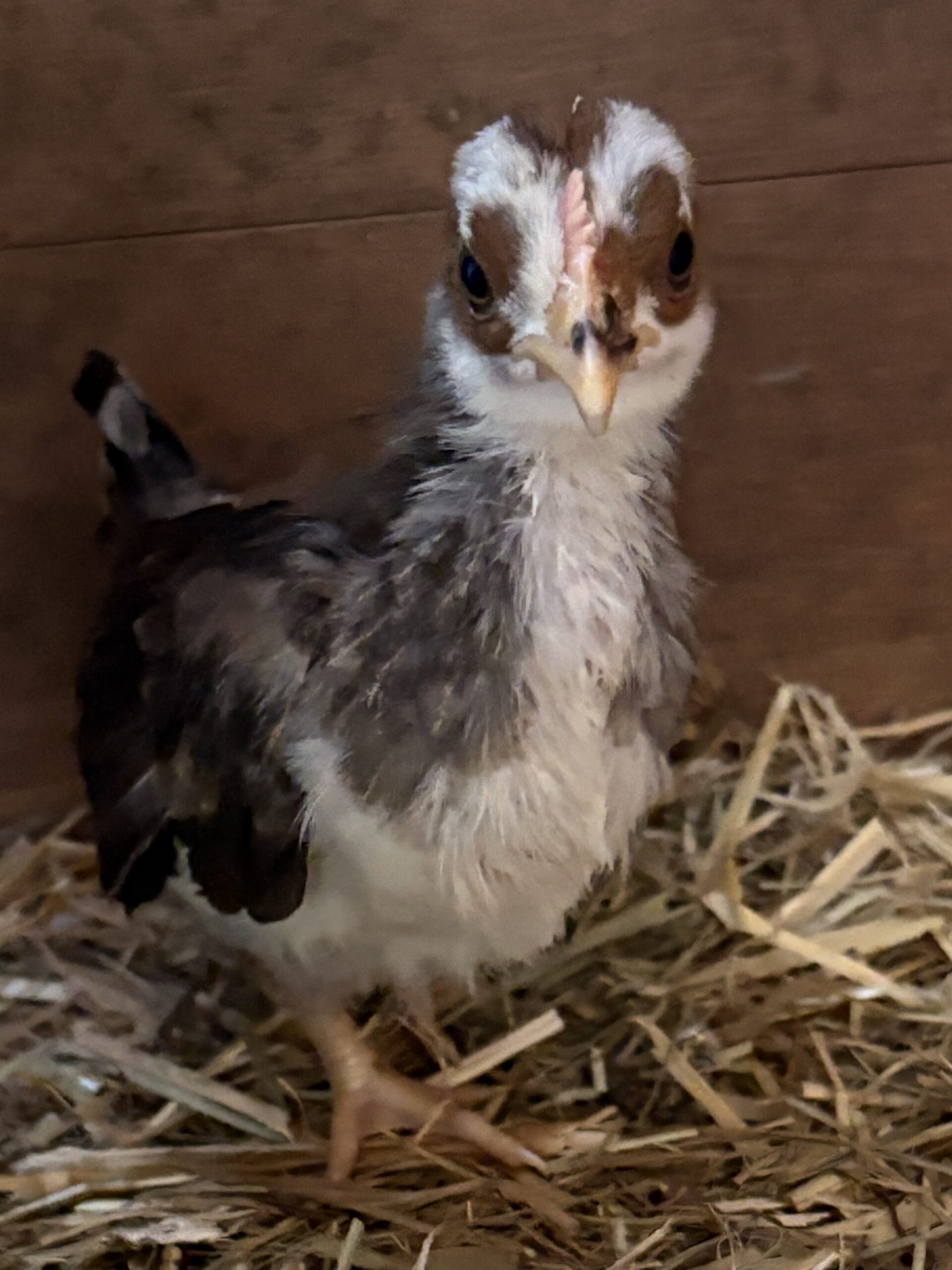
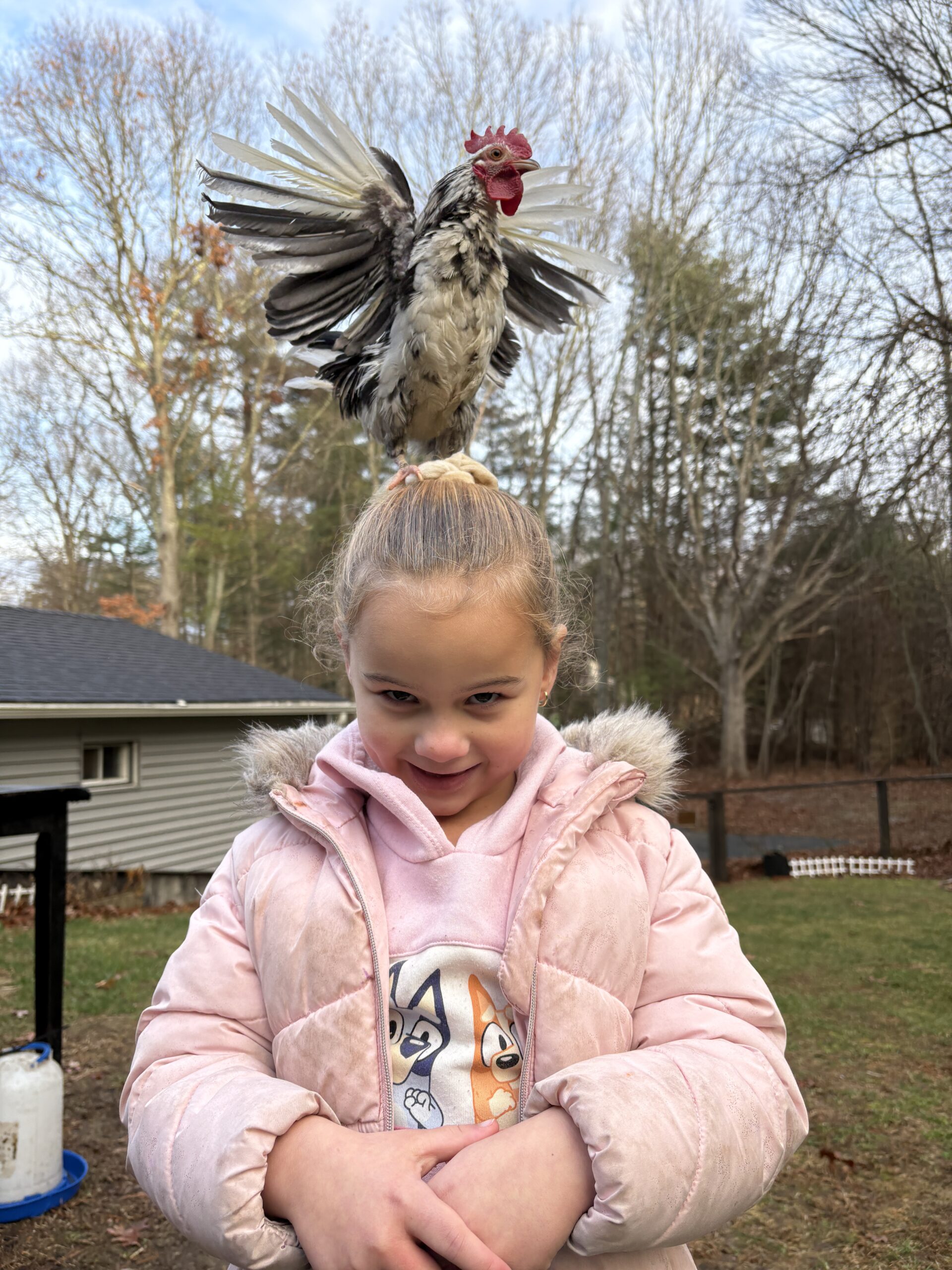
Final Summary: The Small Bird with the Infinite Heart
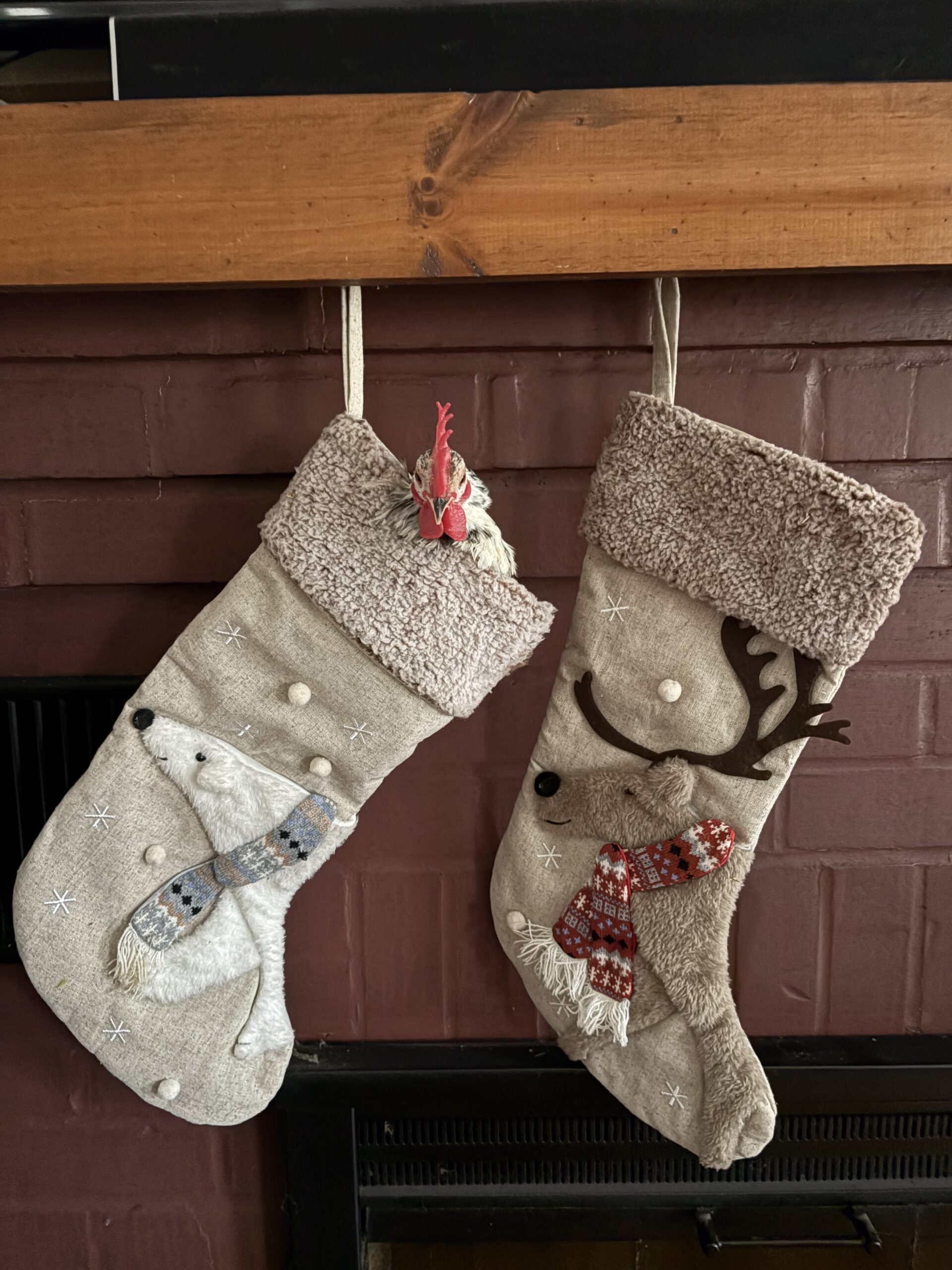
Ultimately, the Kikiriki is a testament to the fact that greatness isn't measured in pounds or inches. Whether they are strutting through a draft-free outdoor run or snuggling on a sofa, these birds offer a level of companionship and aesthetic beauty that is truly unique in the poultry world. They are a bridge between the tradition of the farm and the intimacy of the home—a hardy, hilarious, and handsome addition to any flock. By understanding their history and respecting their unique traits, we ensure that this vibrant Puerto Rican legacy continues to thrive for generations to come.
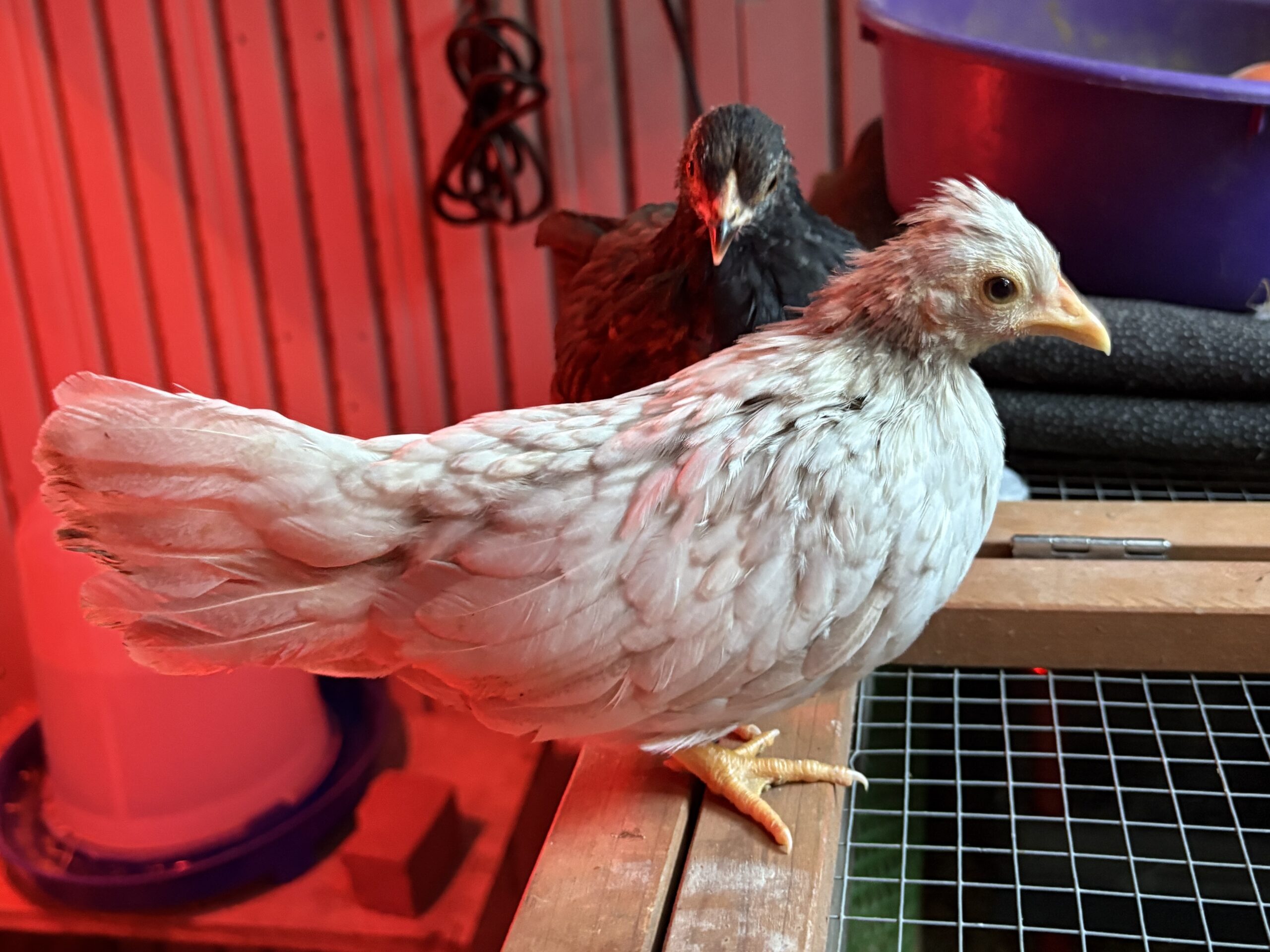
Why a House Rooster is the Best Roommate You’ll Ever Have
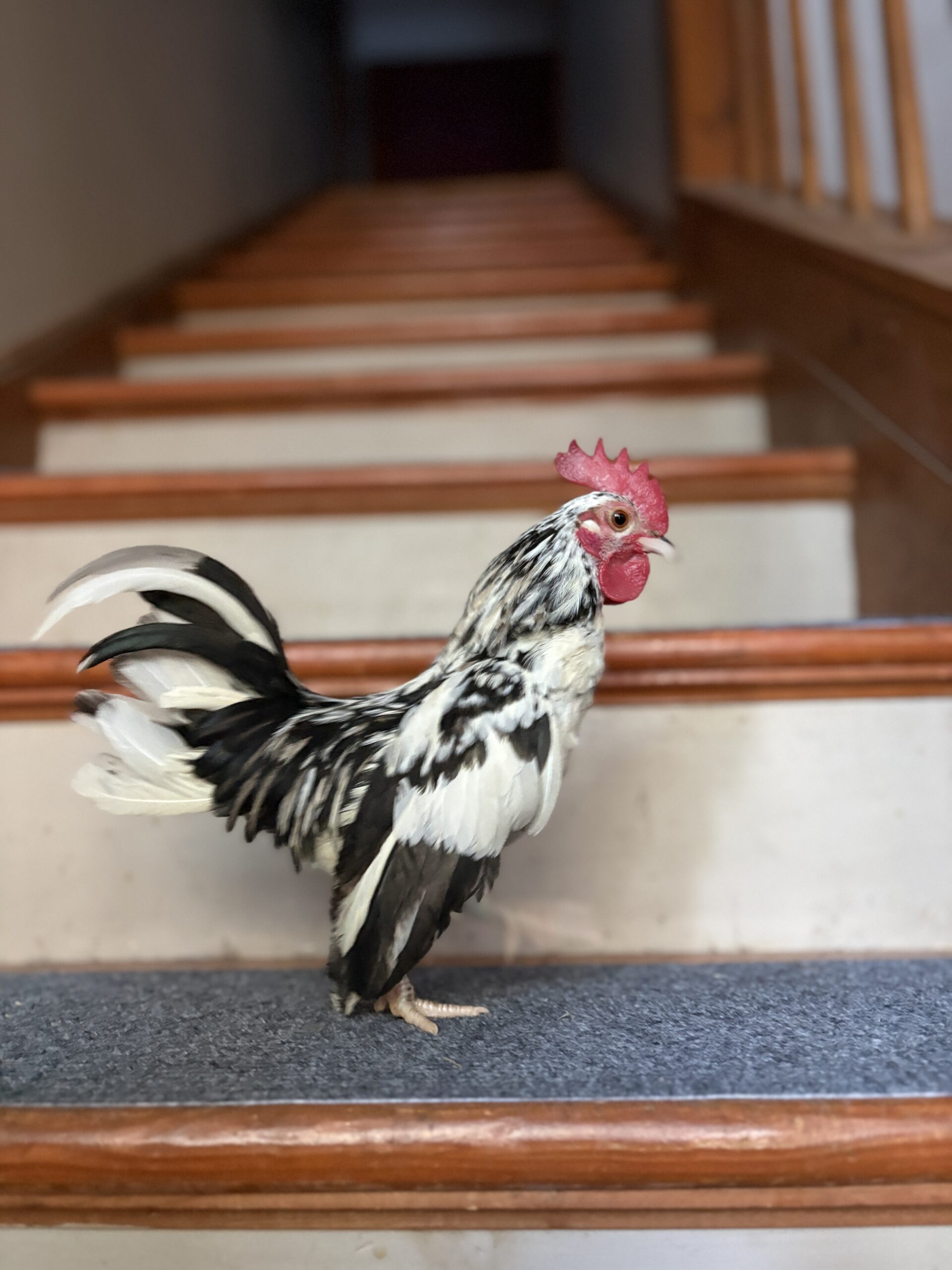
While the world argues over cats and dogs, there’s another little pet quietly stealing hearts: the Kikiriki.
Kikirikis are tiny Puerto Rican bantams with huge personalities. They may be small, but they know how to make themselves noticed. They are curious, confident, funny, and often very attached to their people.
If you’ve ever thought about having a chicken as more than just a backyard bird, a Kiki might surprise you.
If you’ve ever considered bringing a bit of the farm inside, here is why a Kikiriki is the roommate you never knew you needed.
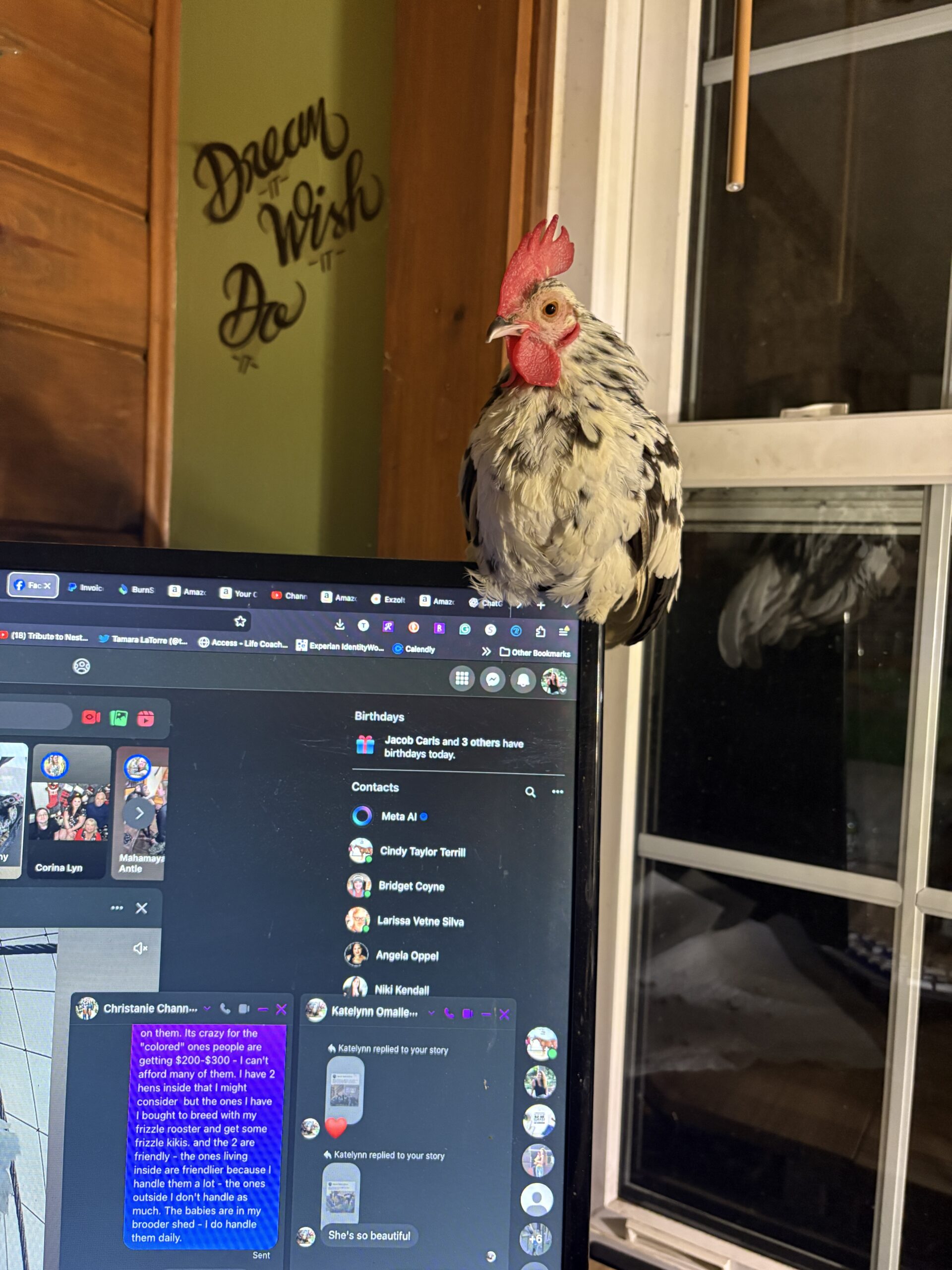
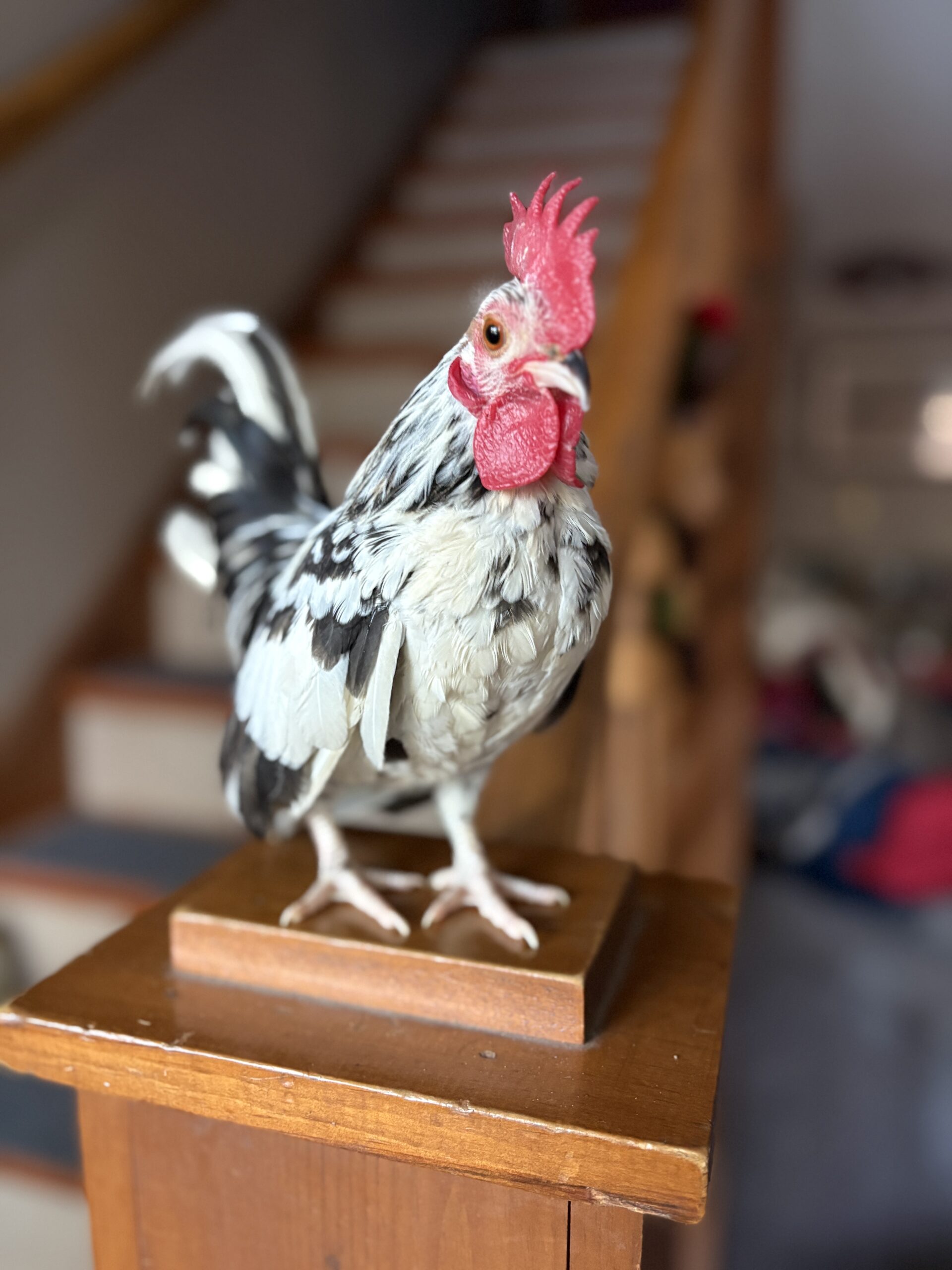
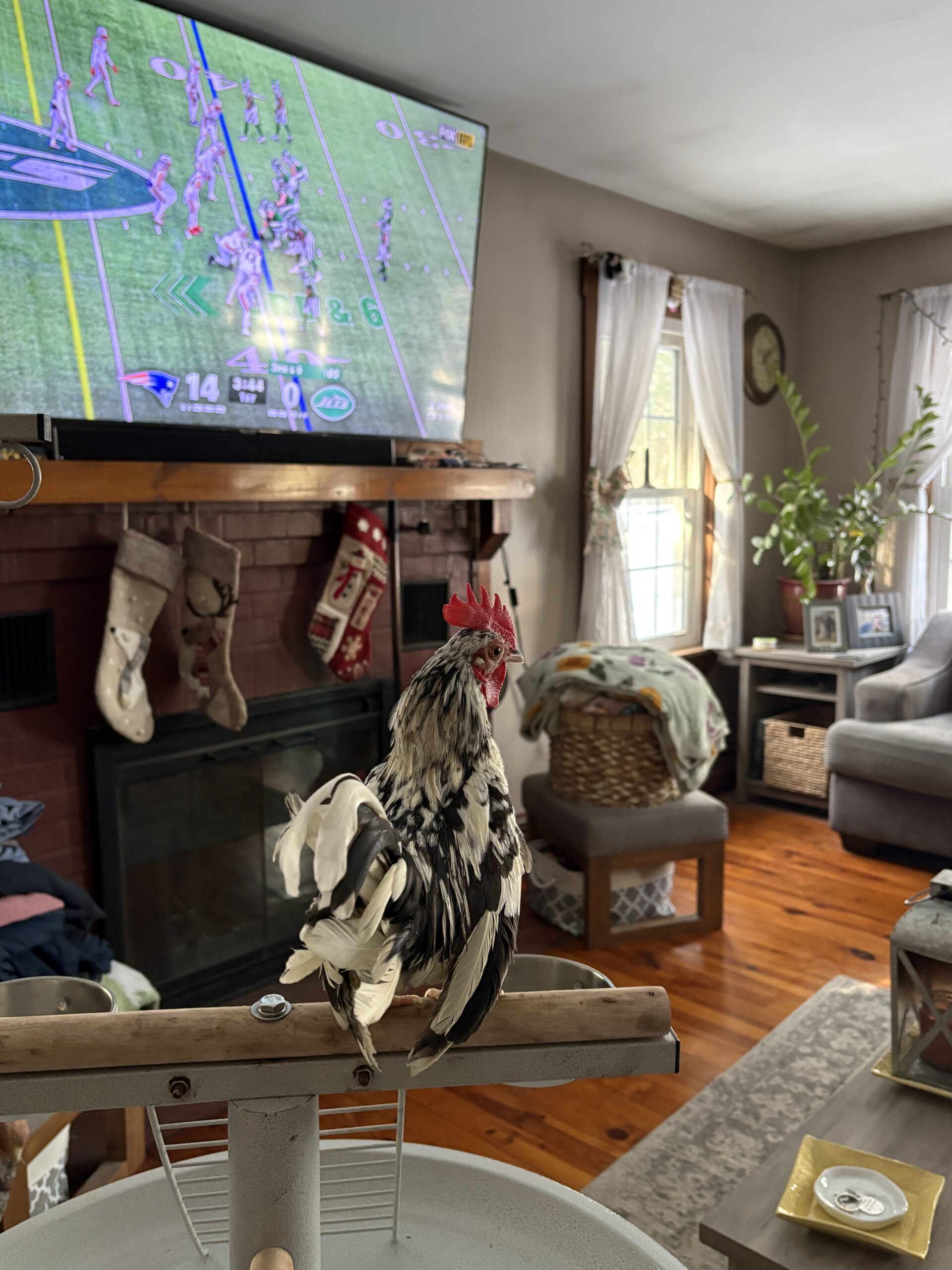
1. They Love Being With Their People
House-raised Kikirikis can become very bonded to their human family.
They may follow you from room to room, sit on your lap, ride on your shoulder, or hang out nearby while you work. Some are more independent than others, but many love being part of whatever you are doing.
They really can become little “Velcro” chickens.
2. Their Small Size Makes Them Easier Indoors
Kikirikis are very small birds.
That makes indoor care easier than it would be with a large chicken. They still need room to move, stretch, perch, dust bathe, and act like chickens, but their size makes it easier to create a safe indoor setup.
Small does not mean no work, though. They still need proper care, exercise, and a clean space.
3. They Are Full of Personality
Kikis are entertaining without even trying.
They tilt their heads, chatter, follow you around, investigate everything, and develop very clear opinions about their surroundings.
The hens have their egg songs. The roosters have their tiny crows. And every bird seems to have its own little way of doing things.
There is rarely a dull moment.
4. Yes, There Is Still Poop
Let’s just say it.
Chickens poop.
If a Kiki is spending time indoors, you need a plan for cleanup. Some people use chicken diapers for supervised time in the house. Others keep a washable area or a dedicated indoor pen.
Chicken diapers can be useful, but they need to be changed often and should not stay on all day.
A clean setup makes indoor chicken life much easier.
5. They Give You a Routine
Living with a Kikiriki means paying attention to the little things.
Fresh food. Clean water. A safe sleeping area. Time to move around. Regular cleaning. Watching for changes in behavior.
It becomes part of your routine.
And in return, you get a tiny feathered companion who can make an ordinary day a whole lot more interesting.
Final Thoughts
Kikirikis may be tiny, but their personalities are anything but.
They can be funny, affectionate, stubborn, curious, loud, sweet, and completely ridiculous — sometimes all in the same day.
They are not the right indoor pet for everyone. They are still chickens and need to be cared for like chickens.
But for the right person?
A Kiki can be one pretty unforgettable little roommate.
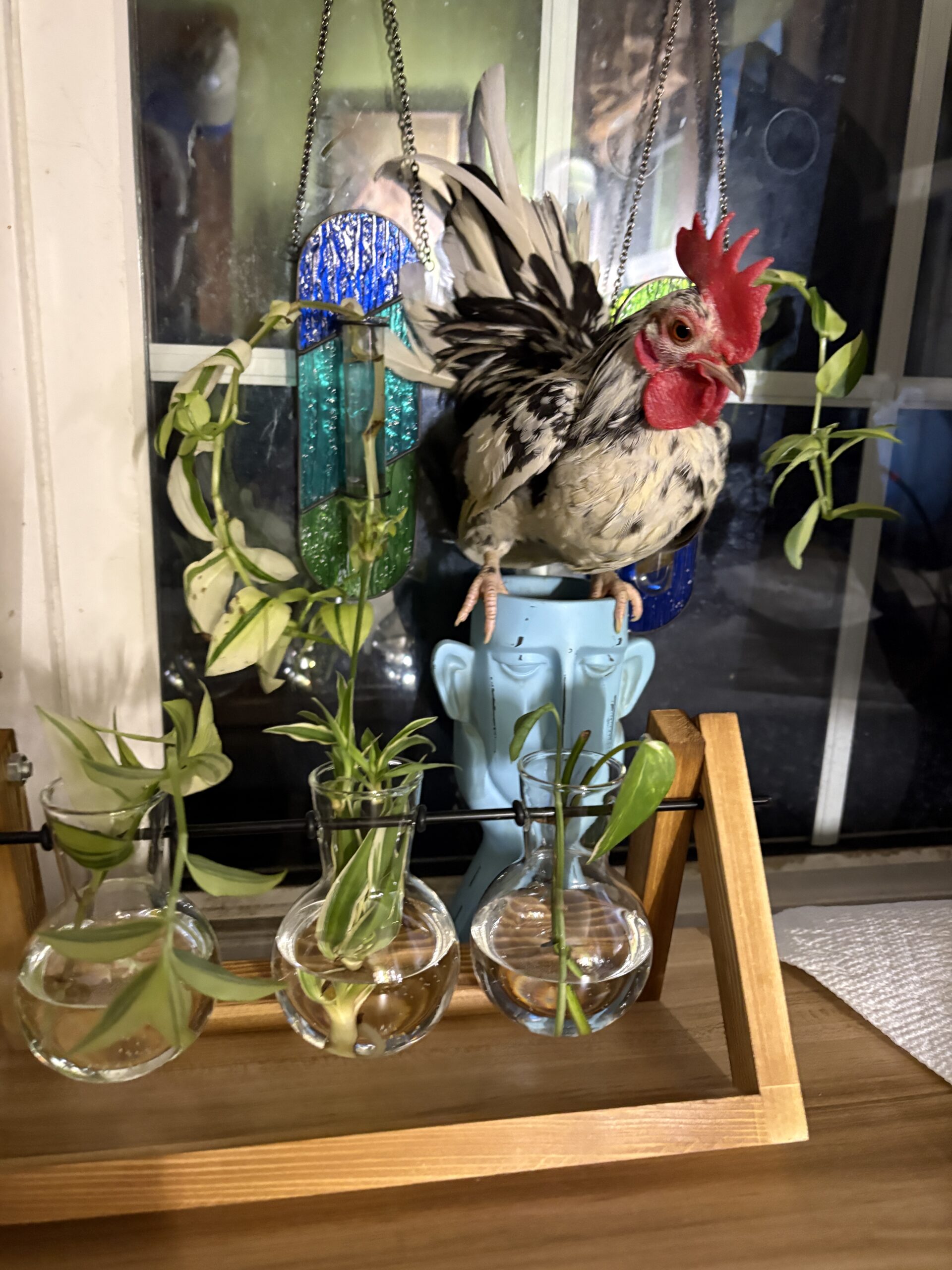
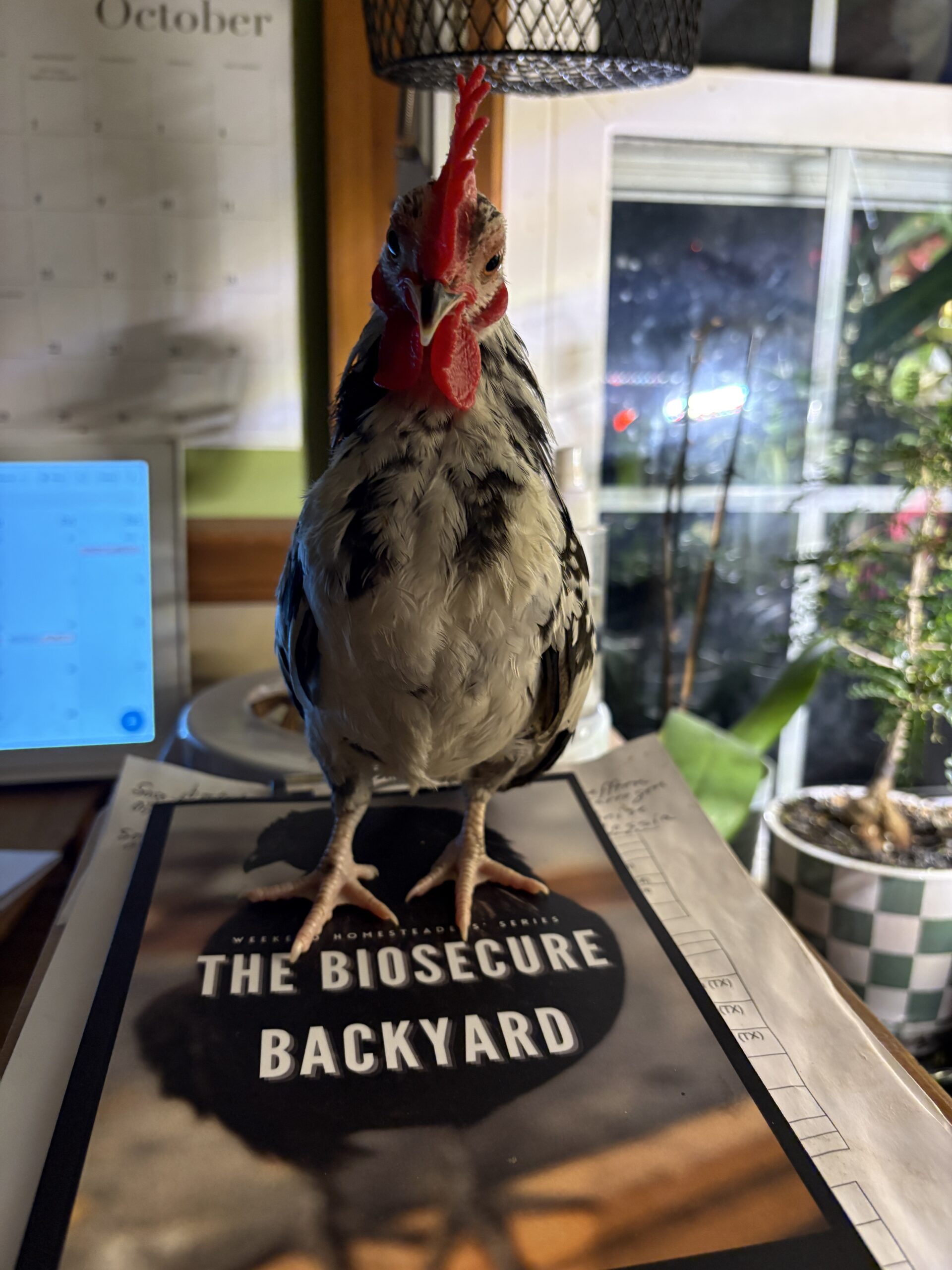
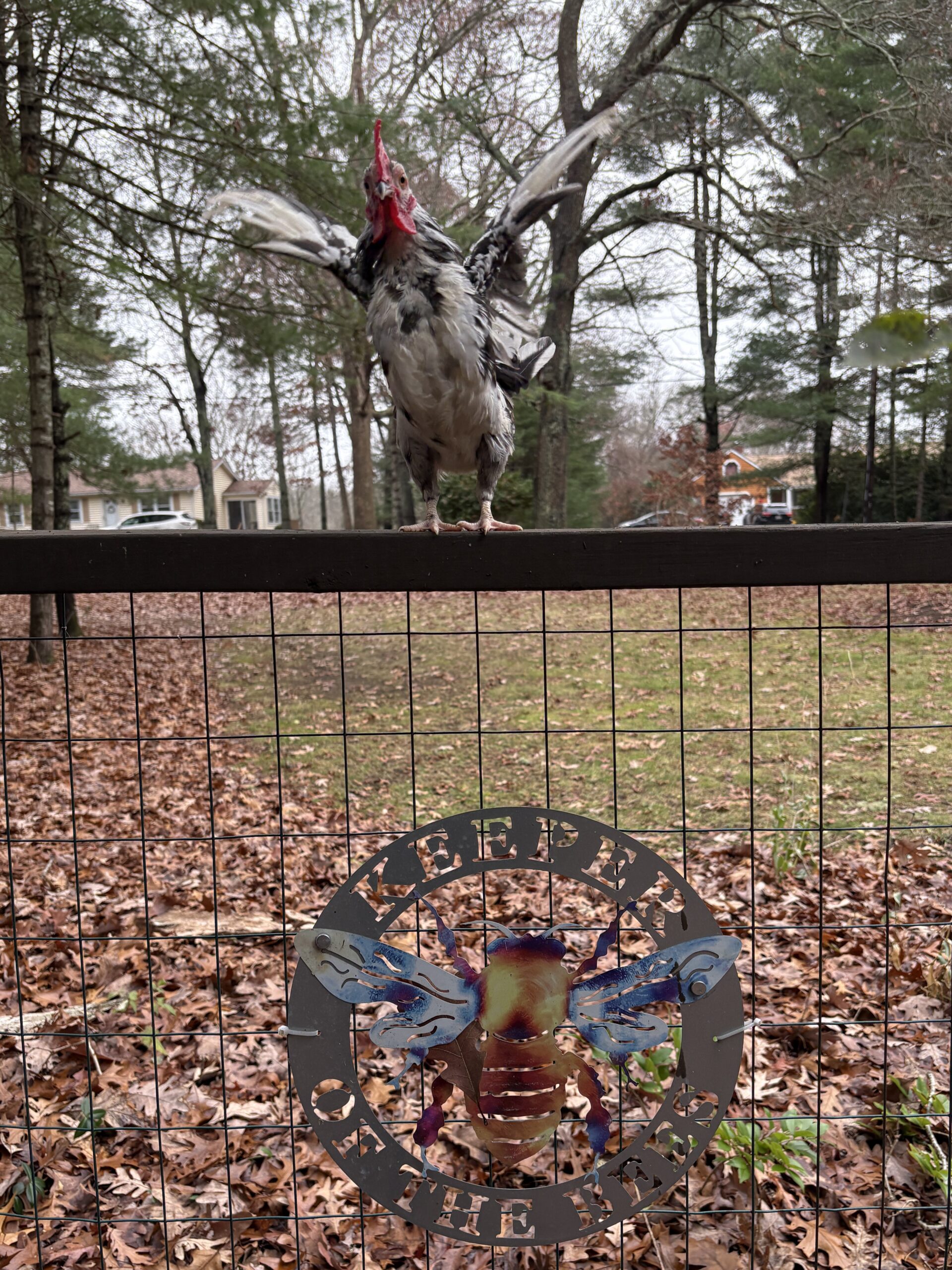
The Hatching Egg Gamble: Expectation vs. Reality
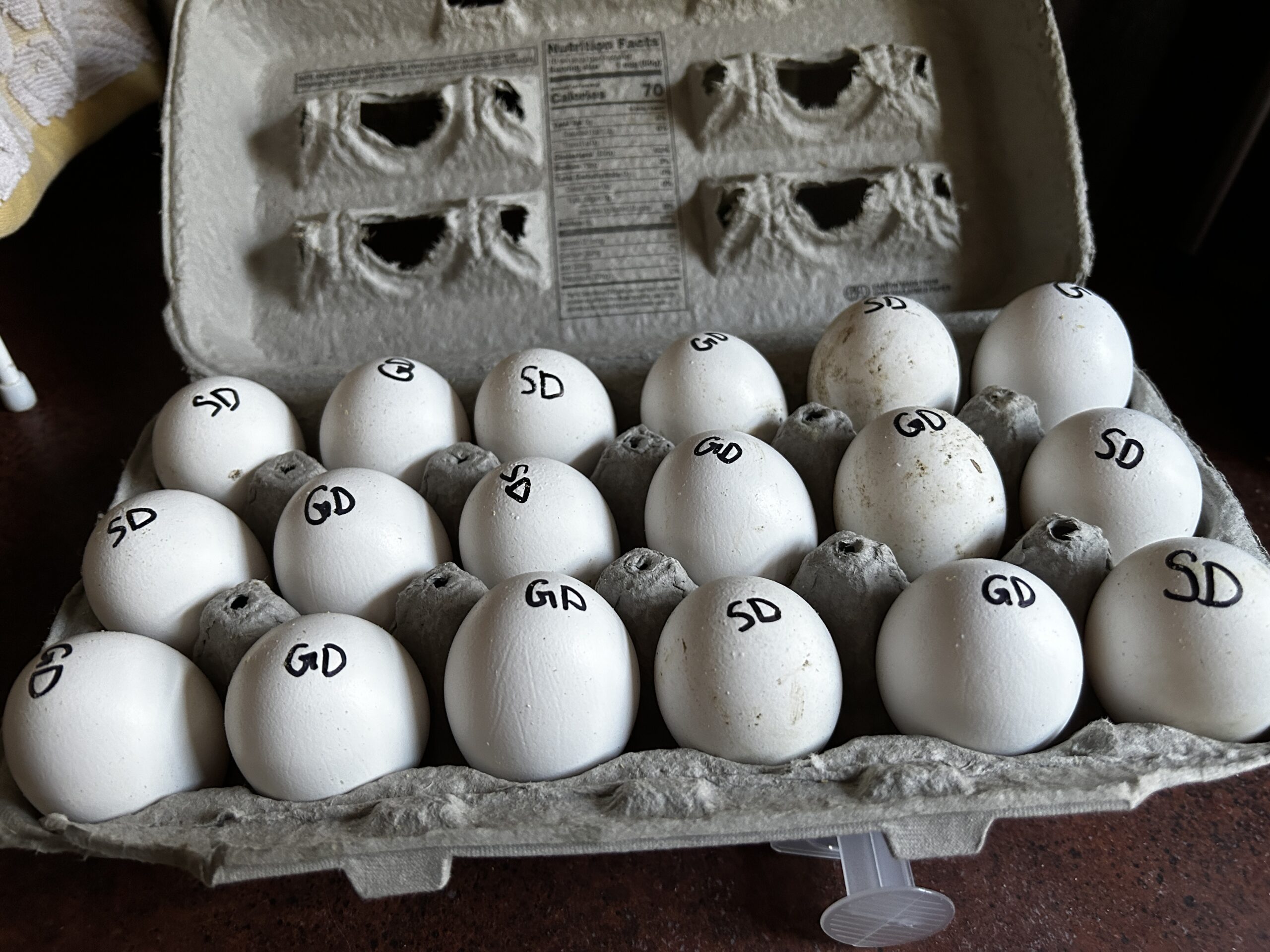
Buying hatching eggs is often the only way to get a breed you really want, especially if you’re looking for something rare or hard to find locally. But shipped hatching eggs are always a gamble, even when the breeder does everything right.
That doesn’t mean you should avoid them. It just means you need to understand where the risks are.
Shipping Can Change Everything
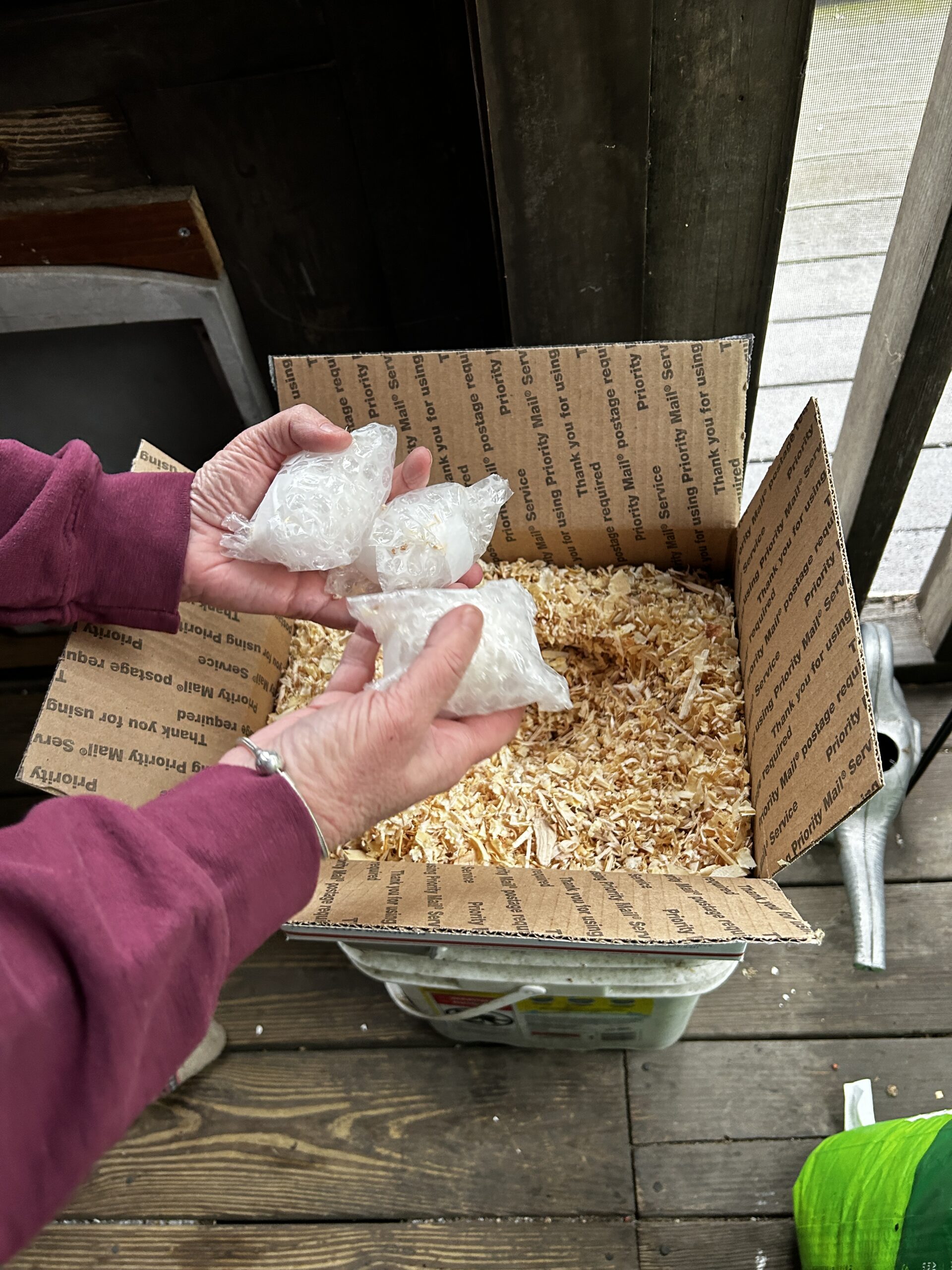
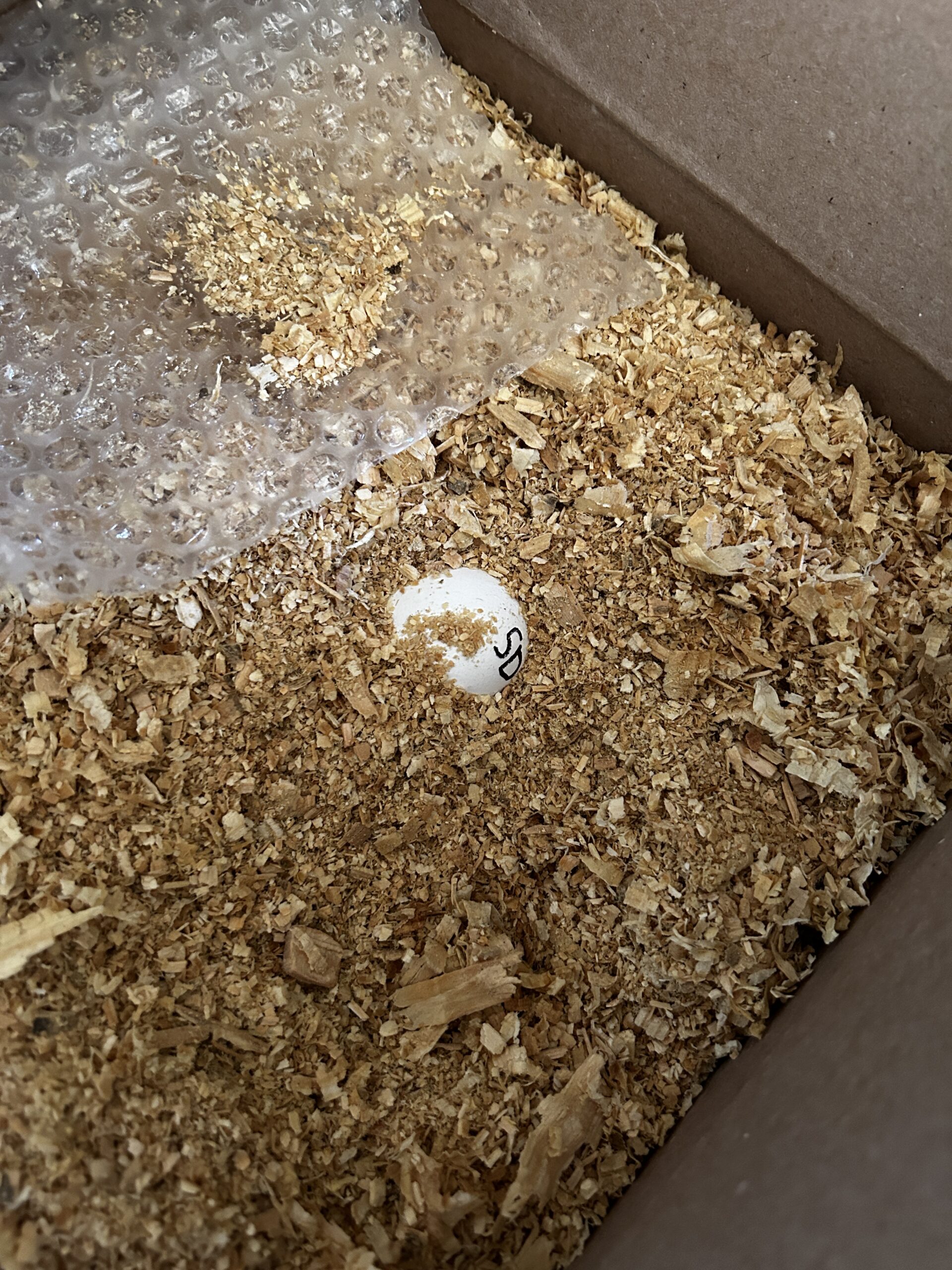
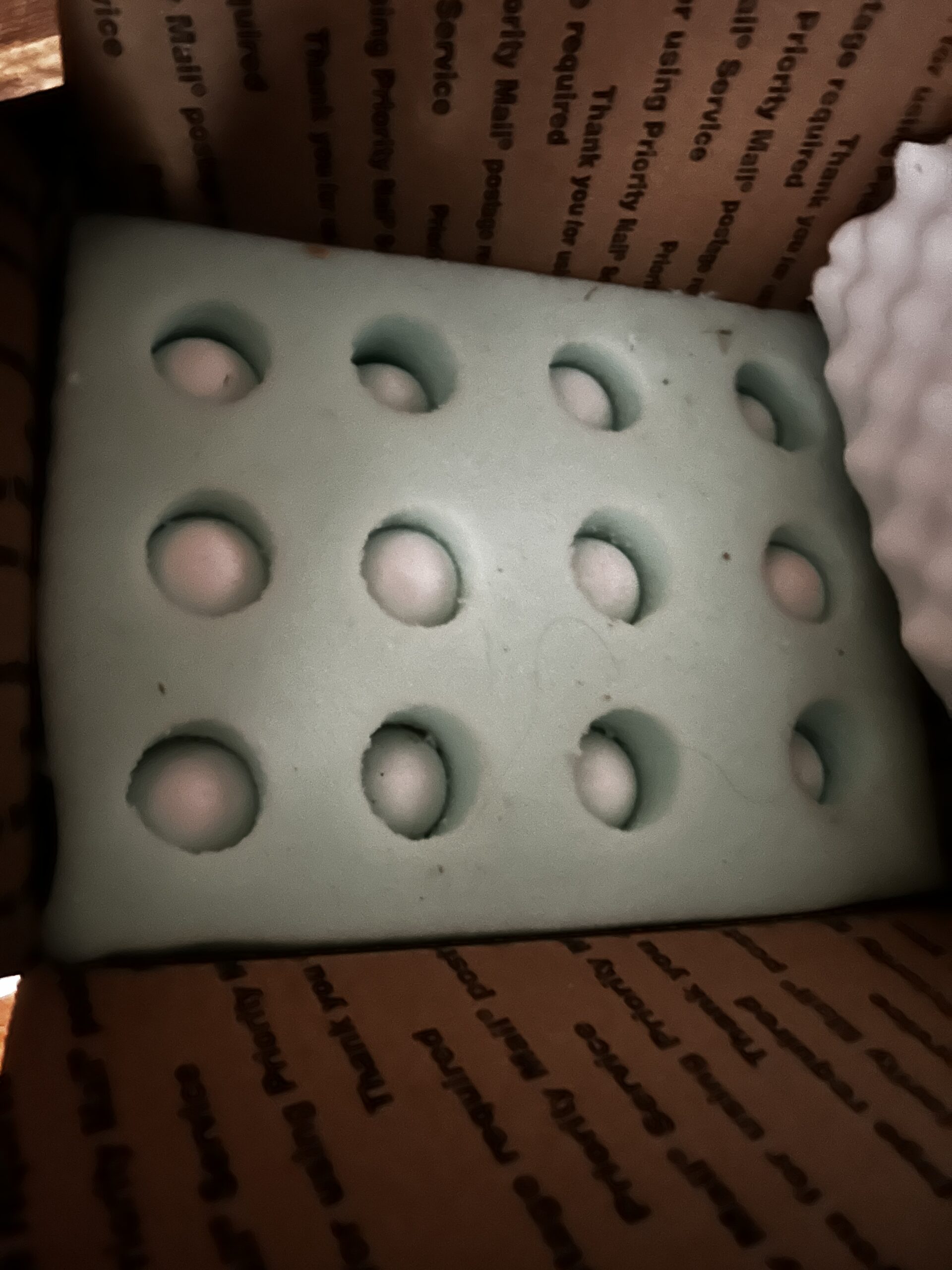
Even carefully packed eggs can go through a lot before they reach you. They may be jostled, flipped, dropped, exposed to temperature swings, or simply handled roughly along the way. Air cells can become detached, membranes can be damaged, and an egg that left the breeder perfectly viable may arrive compromised.
That’s why shipped eggs can be so unpredictable. You might have an excellent hatch from one box and a disappointing hatch from the next, even from the same breeder.
I ship hatching eggs myself, and most of the time my buyers get good development and good hatch rates. But not every shipment goes that way, and when something goes wrong, I do my best to work with the buyer when I can.
Genetics Can Bring Surprises Too
Then there’s the genetic side of hatching eggs.
Even when you’re buying from a breeder, surprises can happen. I once ordered Silkies and ended up hatching a beautiful Cemani-Silkie cross because apparently a rooster had gotten where he wasn’t supposed to be.
Another time, I ordered Lakenvelder eggs and the breeder included some Appenzeller Spitzhauben eggs as extras. That surprise worked out pretty well for me, but it’s still a good example of why communication matters.
Breeders should be clear about what they’re sending, what breeding groups they’re running, and whether anything in the hatch could be unexpected.
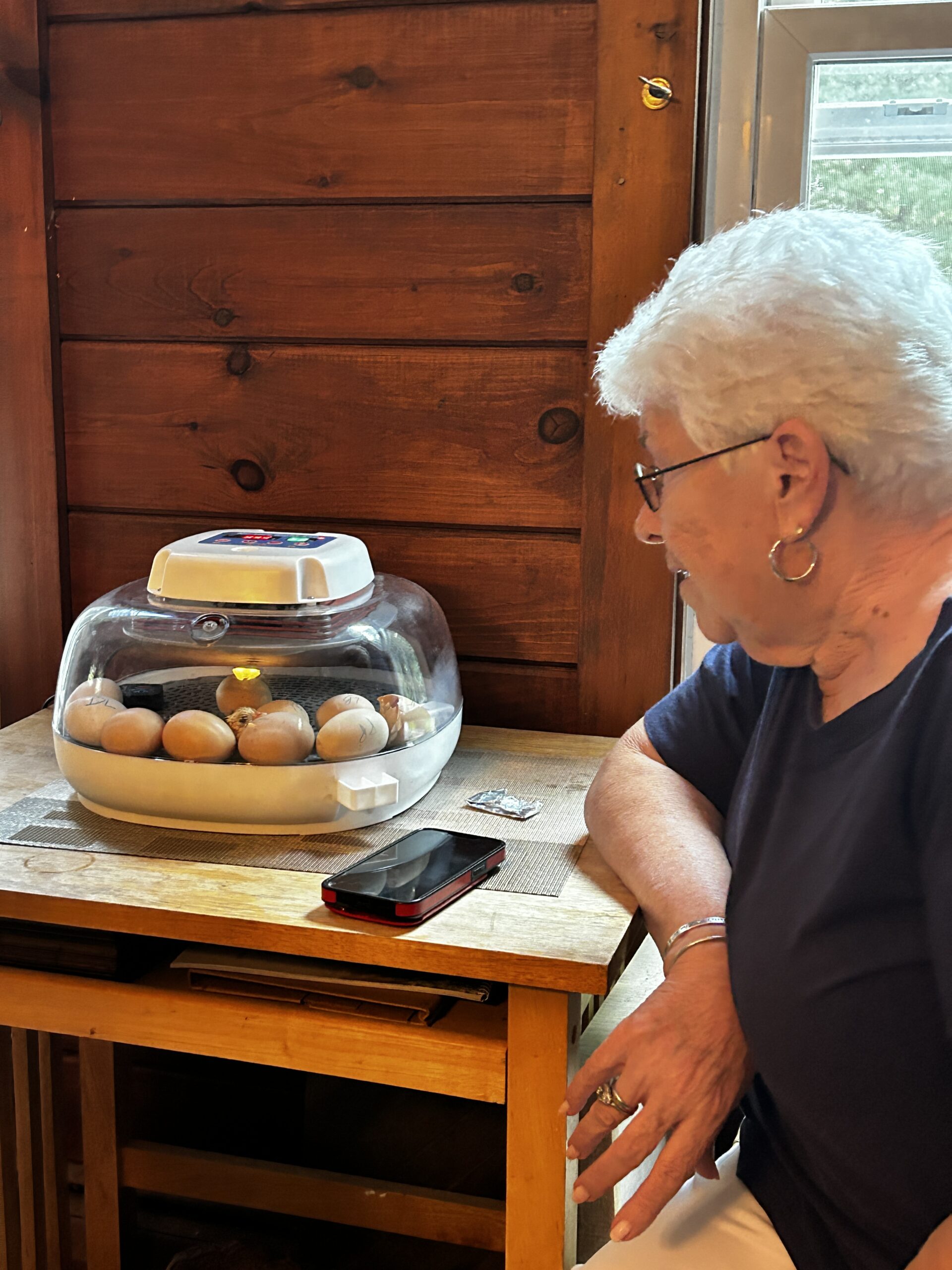
When Eggs Develop but Don’t Hatch
This is probably the most frustrating part of selling hatching eggs.
I’ve had someone contact me and say that all of their eggs were developing, but none of them hatched — and then blame me for the failed hatch.
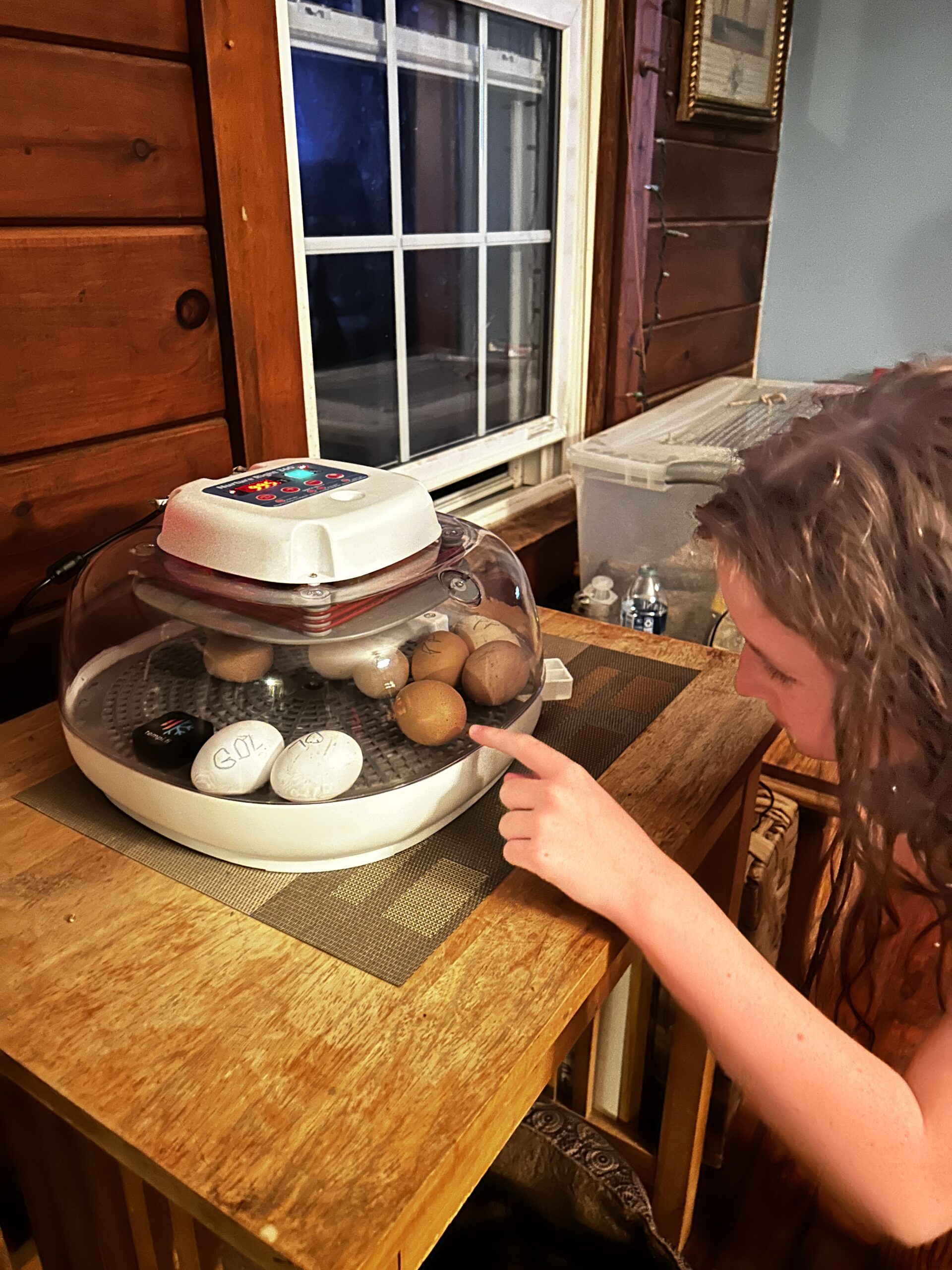
If an egg develops, that tells us the egg was fertile and the embryo was alive at some point. When development stops later or a fully formed chick fails to hatch, there are many possible causes: shipping damage, incubator temperature or humidity problems, ventilation, turning, power fluctuations, or issues during lockdown.
That doesn’t automatically mean the buyer did something wrong either. Sometimes things simply go badly despite everyone doing their best.
That’s what makes hatching eggs difficult: once an egg leaves the breeder, there are a lot of variables neither side can completely control.
A Little Grace on Both Sides
A good breeder should package eggs carefully, maintain healthy breeding stock, communicate honestly, and try to help when there’s a problem.
A buyer should also understand that purchasing hatching eggs is not the same as purchasing a guaranteed chick.
There are simply too many variables between the breeding pen, the postal system, the incubator, and hatch day.
I’ll always try to help my buyers when I can, but a poor hatch doesn’t automatically mean the eggs were bad — just like a good hatch doesn’t mean the postal service suddenly learned how to handle a box gently.
That uncertainty is part of hatching shipped eggs.
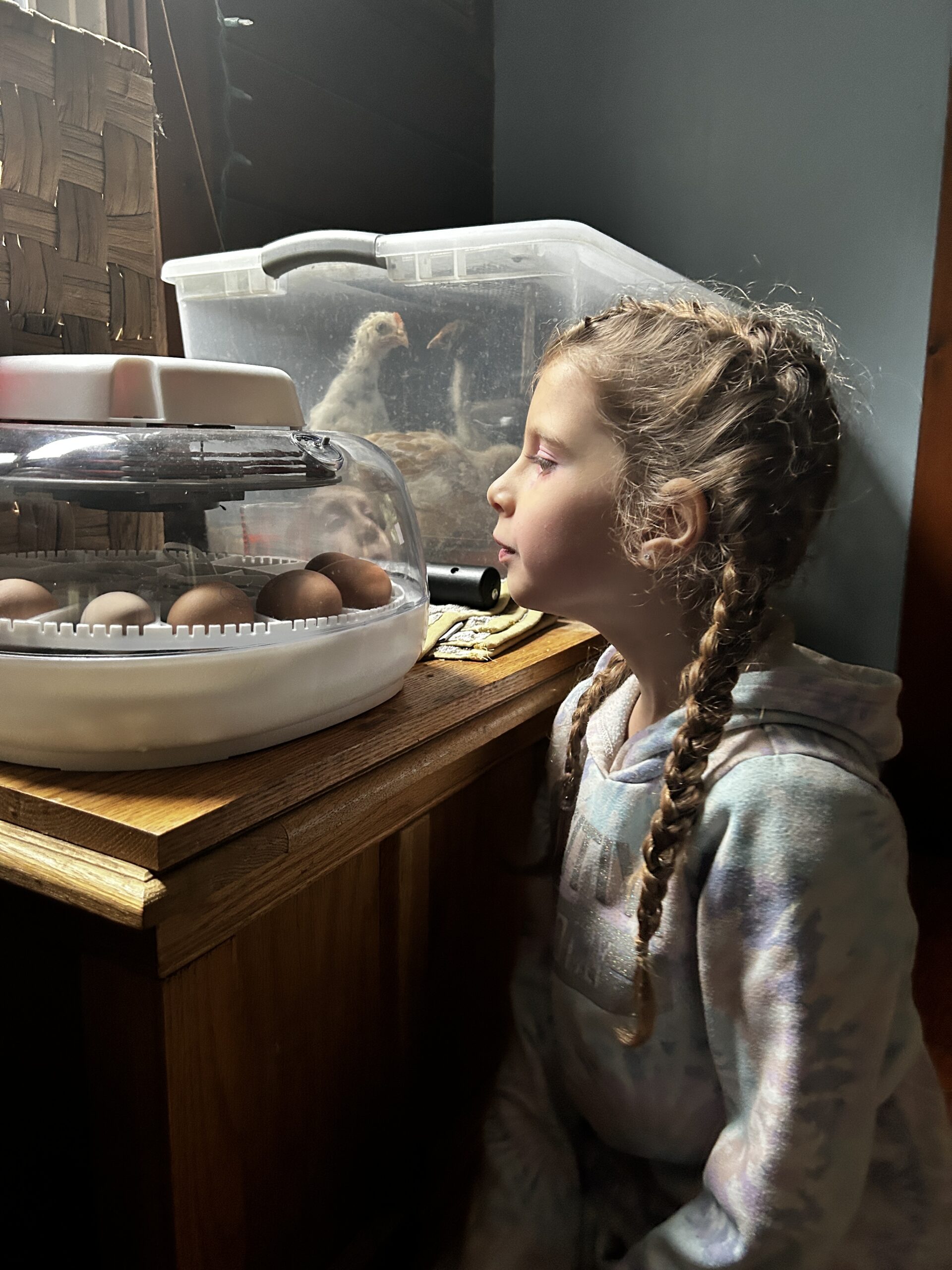
And when everything does go right and that first little chick finally breaks through the shell?
Somehow, we forget all about the stress and start looking for the next eggs to buy.
What’s the biggest surprise you’ve ever hatched from shipped eggs?
The Great Feather Crisis: Understanding and Supporting Your Molting Chickens

As the days get shorter and the weather cools down, your flock may start looking a little rough.
Feathers everywhere. Bald spots. Pin feathers sticking out. Egg production slowing down.
That usually means molt has arrived.
Molting is a normal process where chickens replace old, worn feathers with a fresh new set. Most adult chickens molt once a year, often in late summer or fall.
It can look dramatic, but it is a normal part of the flock’s yearly cycle.
Why Molting Takes So Much Out of Them
Growing new feathers takes a lot of energy.
Feathers are made mostly of keratin, which is a protein. Because of that, the body starts putting more energy into feather growth and less into other things, including egg production.
That is why laying often slows down or stops during molt.
Some birds also act different during this time.
They may be quieter, less social, more irritable, or less interested in being handled. They may roost earlier or spend more time resting.
And there is a good reason for that.
New feathers first come in as pin feathers. These are the small, pointed quills you see coming through the skin. They have a blood supply while they are growing, which makes them very sensitive.
So if your normally friendly hen suddenly does not want to be picked up, she may just be uncomfortable.


Give Them a Little More Space
Molting birds usually do best with less stress.
Try not to handle them more than necessary. Avoid squeezing or pressing on areas full of pin feathers.
This is also not the best time to make big flock changes if you can avoid it.
Adding new birds, moving pens, or creating extra competition can add stress when their bodies are already working hard.
Keep the coop clean, dry, and well ventilated. Make sure they have a comfortable place to rest and stay out of cold rain and wind.
Nutrition Matters During Molt
This is one of the times when I really pay attention to what the flock is eating.
A complete feed should still be the foundation.
During an active molt, many keepers choose a feed around 18% to 20% protein. An all-flock or flock raiser type feed can work well. If your birds are laying, offer oyster shell separately so they can take the calcium they need.
The biggest mistake is replacing too much complete feed with treats.
Scratch grains, corn, bread, pasta, and other high-carb treats may fill them up, but they do not give the same balanced nutrition needed for feather growth.
Protein-rich extras can be helpful in moderation.
Good choices include cooked plain eggs, mealworms, black soldier fly larvae, and small amounts of black oil sunflower seeds.
Herbs can also be used as a supportive extra. Nettle, alfalfa, oatstraw, calendula, dandelion leaf, and parsley are all nice additions.
They are not a replacement for complete feed. Think of them as support, not the main meal.


Simple Molt Support Mix
Here is an easy mix I like for molt season:
- 2 parts nettle
- 2 parts oatstraw
- 1 part alfalfa
- 1 part calendula
- 1 part dandelion leaf
- 1/2 part chamomile
You can mix the dried herbs together and keep them in a sealed container.
For a simple molt tea, use about 1/4 cup of the dried blend per gallon of hot water. Let it steep for 15 to 20 minutes. Strain it, let it cool completely, and offer it as-is.
I like to use it a few times a week during active molt.
Always keep plain fresh water available too.
You can also sprinkle a small amount of the dry blend over feed, especially if you lightly dampen the feed so the herbs stick.
Do Not Forget the Basics
Good molt support is not about adding a dozen supplements.
It is really about keeping the basics strong:
Complete feed.
Fresh water.
Enough protein.
Low stress.
A clean, dry coop.
Plenty of rest.
And patience.
Molting can take several weeks, and some birds look much worse than others.
A hard molt can make a chicken look like she lost a fight with a feather pillow. Others barely look different at all.
Both can be normal.
Watch for Problems That Are Not Molt
Not every bald spot is caused by molt.
If you see red or irritated skin, broken feathers, excessive scratching, mites, lice, feather picking, weight loss, or a bird that seems sick, look closer.
Parasites, bullying, mating damage, poor nutrition, and illness can also cause feather loss.
A normal molt should eventually lead to healthy new feather growth.
Final Thoughts
Molting is messy, uncomfortable, and not always pretty.
But it is part of the natural rhythm of keeping chickens.
Give them good nutrition, keep stress low, and let their bodies do what they are designed to do.
Before long, those ragged little birds will be walking around in a brand-new set of feathers like nothing ever happened.
Are your ladies and gentlemen looking a little rough right now?
Why Bachelor Flocks Work
The Untold Truth Behind Peaceful Rooster Groups
When people picture a yard full of roosters, chaos is usually the first word to come to mind—fights, injuries, and endless squabbling.
But there’s a lesser-known reality: bachelor flocks of roosters can, and often do, live peacefully together. To truly understand why this works, we need to dig a little deeper into both rooster behavior and group dynamics.
The Science of Rooster Behavior
1. Competition Centers on Hens
Much of the infamous rooster aggression is not innate hostility, but a drive to secure and protect mates. Roosters, like many birds, have evolved complex behaviors to woo hens and defend their right to breed. These include:
- Displays of dominance (posturing, sparring)
- Resource guarding (food, territory, and—most critically—hens)
When there are no hens around, the main trigger for intense competition disappears. Roosters no longer need to outdo or fight off their peers for the attention and approval of hens.
2. Flexible Social Hierarchies
Without the daily pressure to dominate for mating rights, bachelor flocks often:
- Establish a loose pecking order—a basic hierarchy is normal, but it’s rarely rigid or violent.
- Adapt to the group’s energy—some develop a clear leader, others rotate “top bird” status, and some exist almost without a defined boss at all.
3. Reduced Territorial Instincts
Roosters are protective—of their hens. Remove hens from the environment, and most roosters stop caring about turf wars. Instead, the flock spends more time on cooperative activities like foraging, grooming, or dust bathing.
What Makes Bachelor Flocks Work?
Key Factors:
| Factor | Why It Works |
|---|---|
| No Competitive Trigger | Without hens, there’s no contest for mates. |
| Early Socialization | Roosters raised together learn to recognize and respect one another. |
| Resource Abundance | More space, food, and enrichment means less to fight over. |
| Stable Group Structure | Consistent flock members = fewer disruptions and less stress. |
Details That Matter Most:
No Hens, No Hormonal Hype
- Hens’ presence triggers hormonal surges and competitive aggression.
- Without hens, the tension quite literally vanishes.
Shared Survival
- In the wild, young cockerels excluded from mating groups often form all-male “bachelor clubs”—they survive, forage, and roost together until they’re older or the social structure changes.
Understanding Body Language
- Roosters are sophisticated communicators. In an all-male group, they negotiate status using postures, subtle signals, and (occasionally) minor, brief altercations rather than fights to the finish.
Mutual Benefits
- Flock living offers security from predators.
- Social relations reduce boredom and stress, which further prevents aggression.
Real-Life Observations
Keepers of successful bachelor flocks often report:
- Less crowing than expected (since hens aren’t around to impress)
- Fewer serious confrontations—most disputes resolve with a few displays or “bluffs”
- Strong bonds between roosters, such as mutual preening or even “buddy” pairs
The Role of Management
While biology is on your side, management matters too:
- Space: Crowded conditions invite stress and fights; more room makes a calm flock.
- Enrichment: Hiding spots, perches, and things to peck at keep everyone busy.
- Observation and Intervention: Some roosters have incompatible personalities—be ready to rehome a bully if necessary.
In Summary
Bachelor flocks work because they remove the central cause of rooster conflict: competition for hens.
When grouped responsibly, roosters often create flexible, peaceful communities where social bonds can flourish. The next time someone says “roosters always fight,” you’ll know the deeper truth: most just want to enjoy the good life in good company.
Thinking of starting a bachelor flock, or have a story to share? Add your thoughts below—let’s keep busting the myths together!


Building a Bachelor Flock

A Peaceful Approach to Keeping Roosters Together
Roosters often get a bad rap—labeled as aggressive, territorial, and impossible to house together. But here's the truth: when managed properly, roosters can live in harmony, forming stable, low-drama flocks called bachelor flocks. This isn't just a last resort for surplus roosters—it's a proactive, compassionate solution that can be rewarding and peaceful when done right.
Whether you're rescuing unwanted roosters, raising cockerels, or creating a rooster-only space for sanctuary or homestead management, bachelor flocks offer a viable path forward. Creating a bachelor flock of roosters is a specialized approach to poultry management that addresses the common challenge of dealing with surplus male birds while maintaining their welfare and quality of life.
Understanding Rooster Behavior and Bachelor Flock Dynamics
Step 1: Understand the Nature of Bachelor Flocks
Before you build a bachelor flock, it helps to understand why and how they work:
- No hens = no competition for mating rights. This significantly reduces aggressive, dominance-driven behaviors.
- Hierarchy is flexible. Rather than one fixed “alpha,” leadership often shifts based on context—feeding time, roosting, or exploration.
- Roosters communicate and resolve tension through subtle cues. Wing-dropping, chest bumping, and eye contact often replace real fights.
- Many will form long-term bonds. It's not uncommon for roosters to form protective duos or small cliques.
While flock dynamics vary, bachelor setups succeed best when the environment is low-stress and introductions are handled with care.
Step 2: Create a Rooster-Friendly Setup
Space Guidelines:
- Coop: Minimum 8–10 square feet per bird
- Run/Outdoor space: 15–20+ square feet per bird (more is better, especially during integrations)
Key Features to Include:
- Multiple feeders and waterers: Prevents resource guarding
- Visual barriers: Logs, shrubs, or panels break the line of sight and allow birds to cool off
- Multiple roosts: Varying heights and locations help reduce pressure points
- Two or more exit points: Prevents trapping during small scuffles
- Dust baths, loose hay, greens: Encourages natural behavior and reduces stress
Pro Tip: Spread enrichment throughout the space to reduce competition and encourage flock-wide engagement.
Step 3: Raise Young Cockerels Together (If Possible)
Starting with chicks raised together is the easiest path to a peaceful adult flock:
- Hatch or brood together: This allows them to establish relationships early
- Avoid exposure to hens: This prevents early onset of competition-driven behaviors
- Give them space to develop social skills: Early enrichment matters!
Even if your roosters are older, don’t worry—adult roosters can be integrated successfully with a few extra steps.
Step 4: Prepare for Safe Introductions
If you’re bringing new roosters into an existing group, prep matters:
- Quarantine newcomers for 2–4 weeks: Rule out parasites or respiratory illnesses
- Trim long spurs (optional): Reduces injury risk during early jostling
- Neutral territory is best: Introduce them in a space no one claims
Use wire dog crates or pens to allow sight-based introductions before full contact.
Step 5: Read the Room — Watch Their Language
Roosters are social communicators. Knowing what’s normal vs. concerning behavior is key:
Normal Integration Behavior:
- Wing flaring, chest bumping
- Light pecking, short chases
- Mutual posturing or circling
When to Intervene:
- Prolonged fighting (especially head-to-head pecking)
- Blood drawn or feather ripping
- One bird cornered or unable to access food/water
- Constant aggression from the same bird with no relief
Use timeouts or reintroductions with visual separation if things escalate.
Step 6: Allow Time for Settling
Give your birds at least 3–10 days to establish their rhythm.
- Expect some shifting roles and temporary tension.
- Most will settle into a natural structure without further drama.
- Keep enrichment high and stress low during this time.
📸 Consider tracking their social bonds—roosters often form strong partnerships and favorite roosting partners.
Step 7: Maintain Peace Long-Term
A peaceful bachelor flock isn’t just about introductions—it’s about the day-to-day:
- Keep hens out of sight/smell: Hens reintroduce competition and can disrupt harmony
- Avoid overcrowding: It leads to stress and conflict
- Rotate enrichment: Keeps birds mentally and physically engaged
- Provide predictable routines: Roosters thrive on calm and consistency
Bonus Tips from Roo’d Acres Sanctuary:
At Roo’d Acres, we house many roosters—including frequent new arrivals—and rarely see conflict. What helps?
- We group young cockerels by age until they're ready for the larger flock.
- Adult roosters are quarantined briefly, then join our older boys under supervision.
- Outdoor space and daily free-ranging allow them to spread out, forage, and relax.
Even with frequent changes, our flocks stay calm—and yours can too.
Final Thoughts
Bachelor flocks aren’t a last resort—they're a proactive, compassionate solution for roosters who often have nowhere to go. With planning, space, and patience, your rooster crew can live full, enriching lives side-by-side.
Building a bachelor flock might feel intimidating at first—especially with all the myths about rooster aggression. But with thoughtful planning, enough space, and an understanding of natural flock dynamics, it’s entirely possible to create a peaceful, thriving group of roosters.
At Roo’d Acres, we’ve seen firsthand how resilient, adaptable, and social these birds can be when given the right environment. Whether you have three roosters or thirty, what matters most is your willingness to observe, adjust, and support them as individuals—not just as a challenge to manage.
No two flocks are the same. Your setup won’t look exactly like ours, and that’s the beauty of it. With patience, creativity, and care, you’ll build something that works for you—and more importantly, for your birds.
Roosters deserve a chance to live full, enriched lives. A well-balanced bachelor flock is one of the most rewarding ways to give them that.


Every Flock is Different: Why Your Rooster Setup Might Look Nothing Like Ours (And That’s Okay)
At Roo’d Acres, we often get asked how we manage so many roosters peacefully. The truth? What works for us might not work for you—and that’s perfectly normal.
Flock dynamics are as unique as the birds themselves. What works in one yard or homestead may not translate to another. Breed, age, environment, and even the layout of your space all play a role. Add in individual personalities, and no two flocks will ever be the same.
Here at Roo’d Acres, we’re fortunate to have 28 acres of room to roam. That kind of space gives our roosters—many of them rescues or surrendered pets—the freedom to spread out, explore, and naturally establish their own social rhythms. It's not something every keeper has, and that’s okay.
Whether you’ve ended up with multiple roosters by accident (hello, surprise cockerels!), through intentional breeding, or by taking in birds in need, managing a bachelor flock is absolutely doable. With the right setup, enough room to prevent crowding, and a bit of patience, you’ll often be surprised by how calm and cooperative your roosters can be.
The key is keeping an open mind. What works for one flock might need a few tweaks for another. Try new things. Rearrange space. Watch how your birds respond. Sometimes it’s about shifting routines or adding a new barrier; other times it’s just letting them settle in.
Bachelor flocks aren’t just possible—they’re deeply rewarding. Watching roosters dust bathe side-by-side, call out in chorus, or form long-lasting bonds reminds us that they’re not the barnyard bullies they’re made out to be. They just need the right chance.
So if you’re building your own rooster crew, don’t get discouraged if it doesn’t look like ours. Different setups, different birds—but the same goal: a safe, happy flock.
🧡 From our boys to yours—keep going, and trust the process.
The Myth of the Alpha Rooster

Rethinking Dominance in the Coop
For decades, roosters have been painted with a broad brush: the crowing tyrant atop the flock, feared by all, ruling with spurs and attitude. Whether in barnyard tales, backyard forums, or casual chicken-keeping circles, the image of the “alpha rooster” — fierce, territorial, always in charge — is so embedded in our understanding that few ever stop to question it.
But as with many widely accepted ideas in animal behavior, this one deserves a closer look.
Welcome to the first article in our Rooster Education Series, where we dig beneath the feathers to explore the truth about rooster behavior, social dynamics, and the thoughtful management that leads to harmony — not havoc — in your flock.
Where the “Alpha” Myth Comes From
The idea of a singular dominant male originates from observations of mixed flocks where one rooster typically takes the lead in mating and alerting. In these setups — especially when space is limited — conflict can arise as roosters compete over a finite resource: hens.
From a behavioral standpoint, this makes sense. A rooster with regular access to hens often defends his role. He may guard food, interrupt challengers, and chase off rivals. These actions have been interpreted as signs of innate aggression and dominance, reinforcing the idea that one must be the “alpha.”
But this perspective is incomplete.
Dominance in chickens is contextual, not absolute. It’s shaped by flock dynamics, physical health, stress, environment, and even the presence (or absence) of hens. What appears as dominance might instead be anxiety, resource insecurity, or even learned behavior due to inadequate space or social isolation.
Bachelor Flocks Break the Mold
One of the most compelling challenges to the alpha myth comes from bachelor flocks — groups of roosters living together without hens.
These flocks are often assumed to be chaos waiting to happen. But experienced keepers and sanctuaries have shown that removing the reproductive pressure changes everything.
Without hens to compete over, roosters exhibit:
- Fluid social hierarchies, not rigid pecking orders.
- Subtle social communication like wing-drops, soft vocalizations, and posturing to avoid actual fights.
- Cooperative behaviors, including shared foraging, alerting, dust bathing, and even snuggling at night.
While there may be occasional tension — especially when new members are introduced — these flocks can be incredibly stable and calm, especially when birds are well-matched in age, size, and temperament.
Many keepers report that roosters form strong social bonds, choosing companions, grooming each other, and sticking together in mini units. Far from being violent outcasts, these birds thrive in supportive, rooster-only settings.
Why Rethinking Rooster Behavior Matters
Clinging to the “alpha = aggressive” narrative comes with real consequences:
- Unnecessary culling of healthy, misunderstood birds
- Poor management decisions, such as overcrowding or isolating roosters without addressing the underlying cause
- Missed opportunities to give roosters fulfilling lives in settings that suit their nature
Roosters are often surrendered, rehomed, or worse simply because they were born male — a reality rooted in misunderstanding rather than behavior.
But when we shift our mindset, we unlock new possibilities:
- Bachelor flocks as a sustainable model
- Separation of hens and roosters to reduce conflict
- Better socialization practices for young cockerels
- Humane advocacy for unwanted roosters
Beyond Dominance: The Real Rooster Dynamic
Let’s replace “alpha” with more accurate and helpful observations.
Instead of “He’s the alpha,” we might ask:
- Is he confident, or defensive?
- Is he resource-guarding because of scarcity?
- Does his behavior change when hens aren’t present?
- Is he showing consistent aggression, or occasional assertion?
Just like dogs, horses, or people, roosters are individuals. Some are bold leaders. Others are gentle observers. Some step forward in times of stress, while others prefer the background. Their roles may shift daily — one might lead to roost, another keep watch during foraging.
In other words, rooster social behavior is adaptive, not hierarchical. Leadership often rotates, and balance is key.
📣 Coming Up Next in Our Rooster Series:
Stay tuned for our next post: “Building a Bachelor Flock: How to House and Integrate Roosters Successfully” — a step-by-step guide for setting up your own harmonious rooster crew.
Have questions or want to share your rooster story? Drop it in the comments — we love hearing from fellow feather-lovers. 🐓💛
Why Bachelor Flocks Are Different — and Why They Work
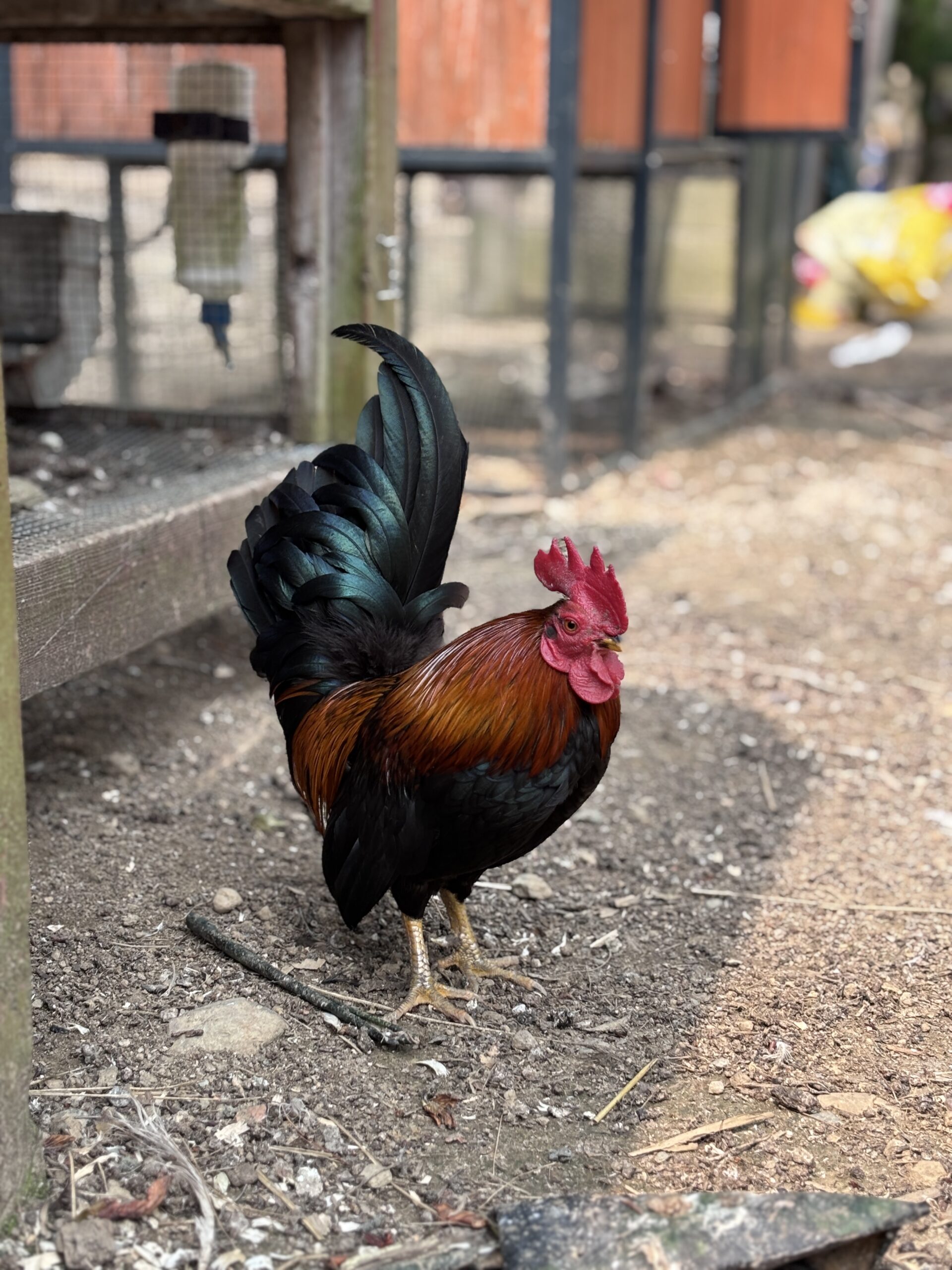
If you’ve ever tried to manage multiple roosters in a mixed flock, you already know how fast things can get out of hand. One minute everyone’s dust bathing, and the next you’re breaking up chest-bumping matches, chasing down an overzealous roo, or treating a hen for feather damage.
It’s loud. It’s stressful. And for many keepers, it’s the reason they reluctantly rehome or cull roosters. But what if we told you there’s another way? A better way?
Enter: the bachelor flock.
This often-overlooked approach to rooster care can transform what feels like chaos into calm. With the right setup, roosters don’t just coexist — they thrive. And no hens are required.
🧠 The Power of Removing Competition
Let’s start with what drives the drama in most coops: competition for hens. Roosters are biologically wired to secure and protect mates. In a mixed flock, this instinct manifests in:
- Aggressive behavior toward other roosters
- Over-mating hens, often leading to injury or stress
- Constant crowing to claim dominance
Add more than one rooster to a group of hens and things often spiral into dominance battles, feather loss, and stress for the entire flock — humans included.
Now imagine what happens when you take the hens out of the equation.
In a bachelor flock, roosters are no longer driven by the urge to mate or dominate for reproductive rights. The hormonal “edge” softens. They become calmer, more relaxed, and more focused on food, sunshine, and scratching around together.
🏡 A Band of Brothers, Not Rivals
Bachelor flocks form their own social order — just like any group of animals — but without the constant pressure to compete, their pecking order is often:
- Established faster
- Maintained with less aggression
- Less likely to shift or escalate
Once that order is set, you’ll often see:
- Roosters foraging side by side
- Perching near each other at night
- Dust bathing together like old friends
While occasional disagreements happen (as they do in any group), fights are rare and typically short-lived.
In fact, many keepers report that their bachelor roos are gentler, quieter, and even affectionate — not just toward each other, but toward their humans.
🔬 The Science Behind Rooster Behavior
Roosters’ behavior is heavily influenced by hormones, which respond directly to the presence of hens. When hens are nearby, testosterone and dominance behavior ramp up. This explains why roosters in mixed flocks are often louder, more territorial, and more reactive.
Without hens around, those hormone levels shift. Roosters don't feel the same urgency to crow, chase, or claim ground. What you get instead is a stable, low-drama environment where they can just be… roosters. Without the posturing.
🛠️ Real Benefits of a Bachelor Setup
Bachelor flocks can reduce or eliminate many of the challenges associated with rooster keeping. Compared to mixed flocks, bachelor groups tend to have:
- Lower aggression levels once established
- Significantly less noise (yes, they still crow — but not competitively)
- No feather damage to hens
- No mating-related injuries
- No need to balance roo-to-hen ratios
- Less stress overall — for everyone
You still need proper space and resources (more on that in a moment), but the overall dynamic is much more manageable than most people expect.
🐣 A Humane Solution for “Extra” Roosters
If you hatch your own chicks, you’ve probably experienced the heartbreak of ending up with too many roosters and not enough homes. It’s one of the hardest realities of backyard breeding.
Bachelor flocks offer a humane, sustainable alternative to rehoming, isolating, or culling roosters. With proper setup, multiple males can live together peacefully, forming healthy social bonds and living long, fulfilling lives.
It also gives keepers the option to:
- Preserve rare bloodlines
- Observe rooster behavior more naturally
- Raise and rotate breeding stock responsibly
You don’t have to part with every spare roo — you just need to give them the right environment.
✔ Tips for a Successful Bachelor Flock
Setting up a bachelor flock isn’t hard, but a little planning goes a long way. Here are the keys to success:
- Start young if possible
Roosters raised together from hatch or early adolescence are more likely to bond and establish a stable hierarchy. - Introduce all at once (if they’re older)
Adding a single rooster to an existing bachelor group can be tricky. If you must mix adults, try to do it on neutral ground. - Provide plenty of space
Overcrowding creates stress and sparks fights. Give them room to roam, roost, and retreat when needed. - Create hiding spots and visual breaks
Use natural materials or coop dividers so birds can avoid eye contact and de-escalate when needed. - Avoid mixing roos who’ve just been with hens
Roosters coming straight from a mixed flock may still be hormonally charged. Let them “detox” for a few days first. - Observe closely at first
Some pecking and posturing is normal early on. Watch for signs of true aggression (blood, pinning, nonstop chasing).
🧡 Final Thought: Rethinking the Rooster
Roosters are often misunderstood. They’re labeled aggressive, loud, or dangerous — but in reality, they’re complex, intelligent animals reacting to the environments we put them in.
Bachelor flocks prove that roosters don’t have to fight.
They don’t have to be separated forever, rehomed in desperation, or culled as unwanted extras.
They just need their own space — free of competition — where they can be themselves. No hens. No chaos. Just a bunch of boys scratching in the sun, living their best feathered lives.
If you’ve ever hesitated to keep more than one rooster, consider trying a bachelor setup. It might just surprise you.
Visit us at Roo'd Acres Rooster Sanctuary - Middleboro, MA